David Alfred Bywaters's Crossword Cavalcade & Fortnightly Victorian Novel Recommender. Every Saturday! Either a new language-torturing puzzle or an old novel by an unjustly neglected Victorian author. Why waste time on other amusements?

Novel 085: Leslie Keith, Cynthia's Brother (1901)
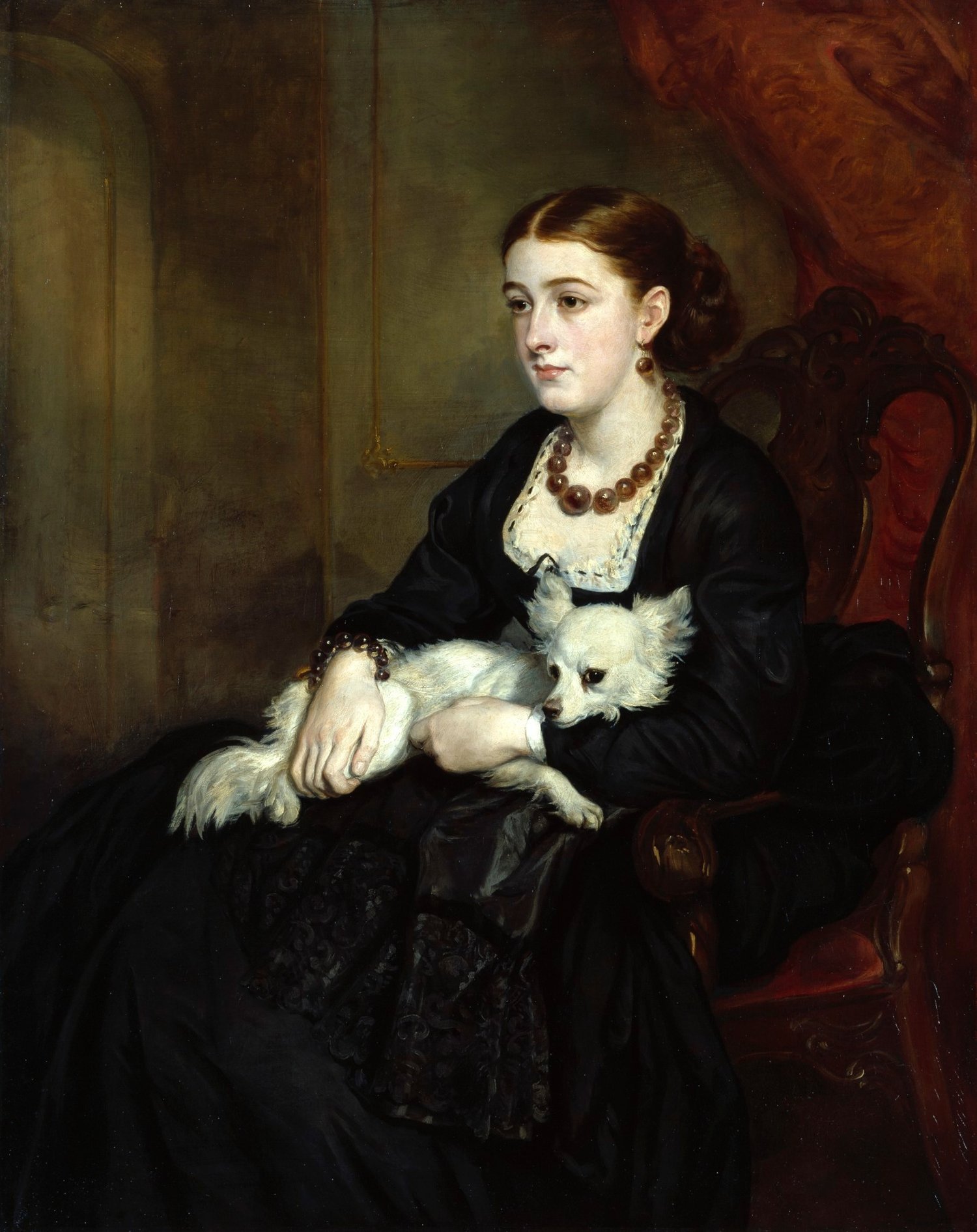
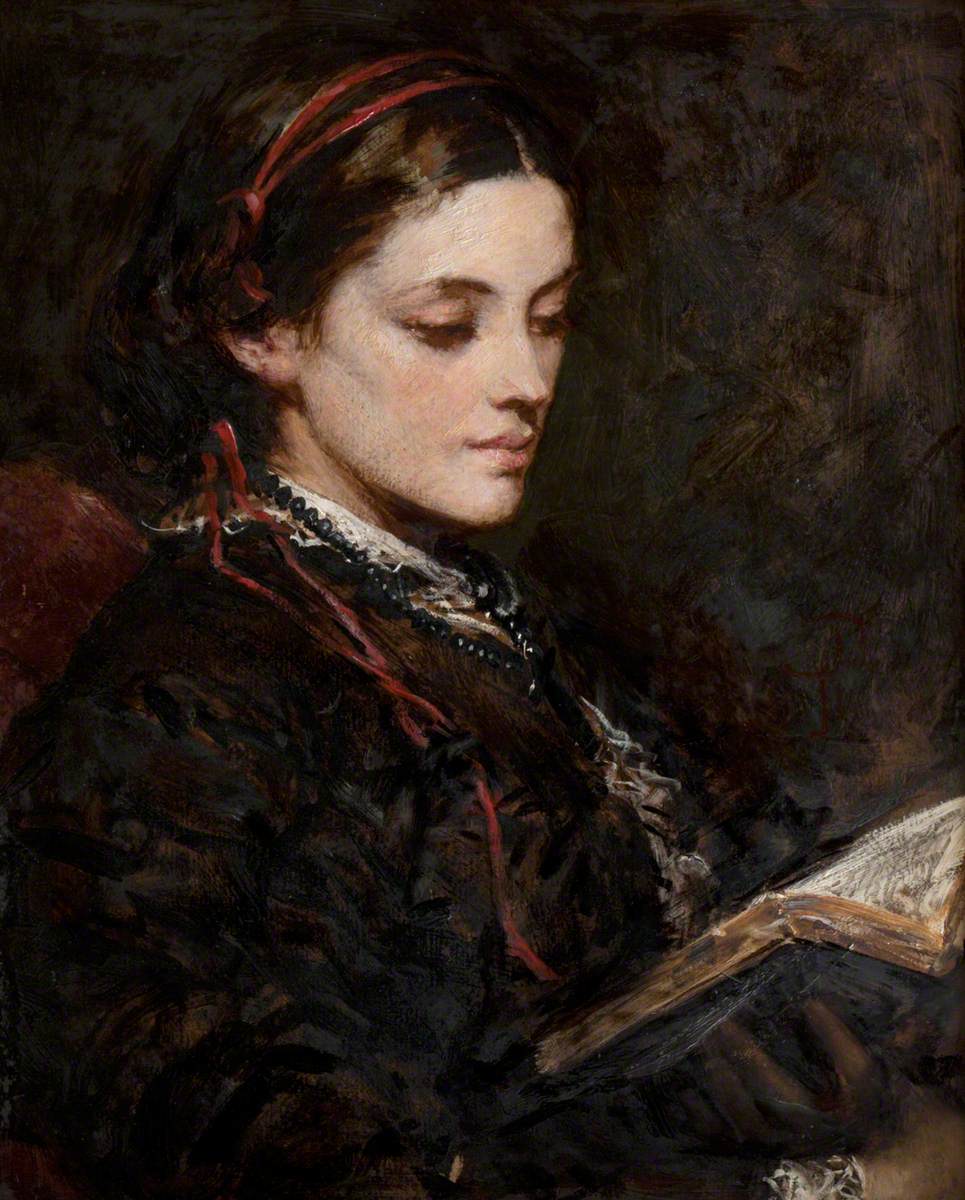
Sir Francis Grant, Portrait of Miss Grant, the Artist’s Daughter

A motherless girl adores her demanding older brother.


Grace L. Keith Johnston (1843-1929) wrote over forty works of fiction between 1878 and 1907 under the name Leslie Keith.  This novel, published by the Religious Tract Society after serialization in The Girls’ Own Paper, and therefore, one assumes, morally  and spiritually unobjectionable, is also quite good on the purely literary grounds of style, plot, and characterization.

“‘Leslie Keith’ give us some really good and subtle studies of character in this story. . . .  The last chapter, in particular, is an excellent bit of work.”  Referring to didactic novels for the youth market, the reviewer continues, “There is a great amount of literary ability expended in the production of these books.  The good ones among them—and these are far more numerous than most people would think—are really more pleasant to read than any but the very best of the novels of the day.  They are more wholesome; they do not worry us with the insoluble problems of life; they are not bound by the convention that a good end is bad art.  But they must often fail to find their fitting audience.  We hope that Cynthia’s Brother—a title which somehow smacks of the nursery—may be more fortunate.”  Spectator, November 2, 1901

Download this week’s novel:

https://archive.org/details/LeslieKeithCynthiasBrother1901Large

(I found no online version of this work, so I made one, using my own copy and my own inexpensive scanner.  It’s not as pretty as it might be, but it’s readable.)
Novel 084: Leonard Merrick, Cynthia, Daughter of the Philistines (1896)

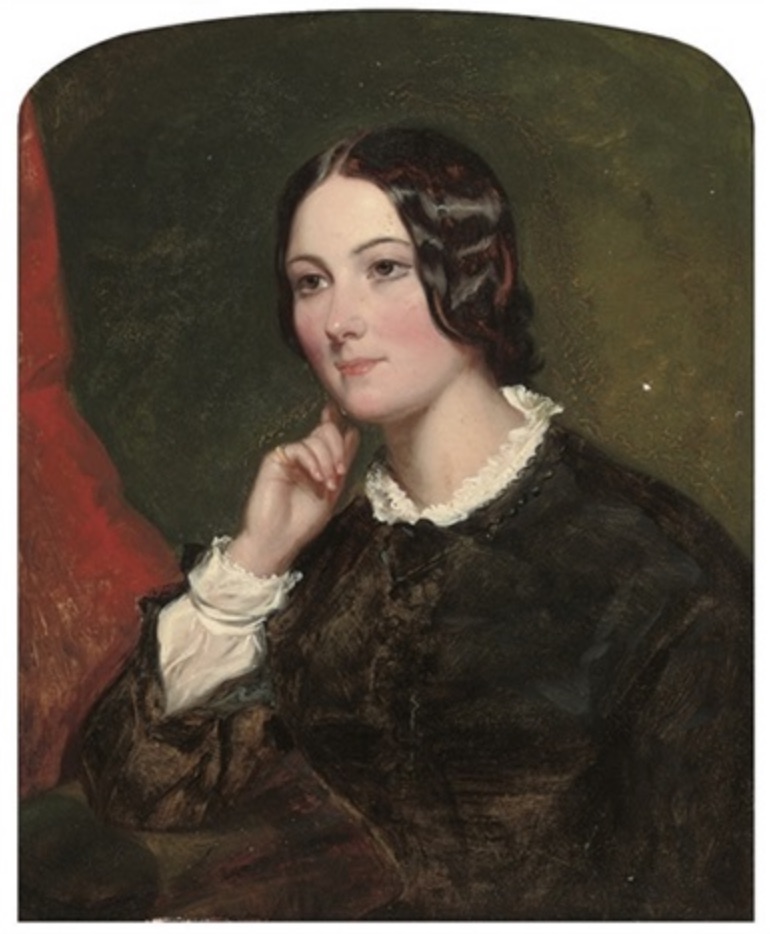
Sir Francis Grant, Portrait of a Young Lady

An aspiring novelist marries the daughter of a stock-jobber.


Leonard Merrick (1864-1939) wrote some twenty novels between 1891 and 1921.  This one has complex characters whose marital troubles arise in part from their differing backgrounds; it implies also a strong protest against the publishing industry’s poor treatment of brilliant novelists.

“There is a difficulty in writing about the ways of literature and literary men without a slight touch of cynicism.  But Mr. Merrick blends it so well with humour that no sting remains.”  Morning Post, December 14, 1896

“In spite of flaws there is vigour and freshness in much of it.  The atmosphere is distinctly middle-class and is well sustained” and the characters “form an amusing gallery of portraits.”  Athenaeum, January 23, 1897

“The happy phrases and brilliant ideas scattered about ought to make a name for the author. . . .  He has humour, a sense of style, and, while brimming over with things to say, he is neither diffuse nor ponderous.”  Saturday Review, March 20, 1897

Download this week’s novel:

v.1 https://archive.org/details/cynthiadaughtero01merr

v.2 https://archive.org/details/cynthiadaughtero02merr

Crossword 083: Prepositional Profusion, Part 3

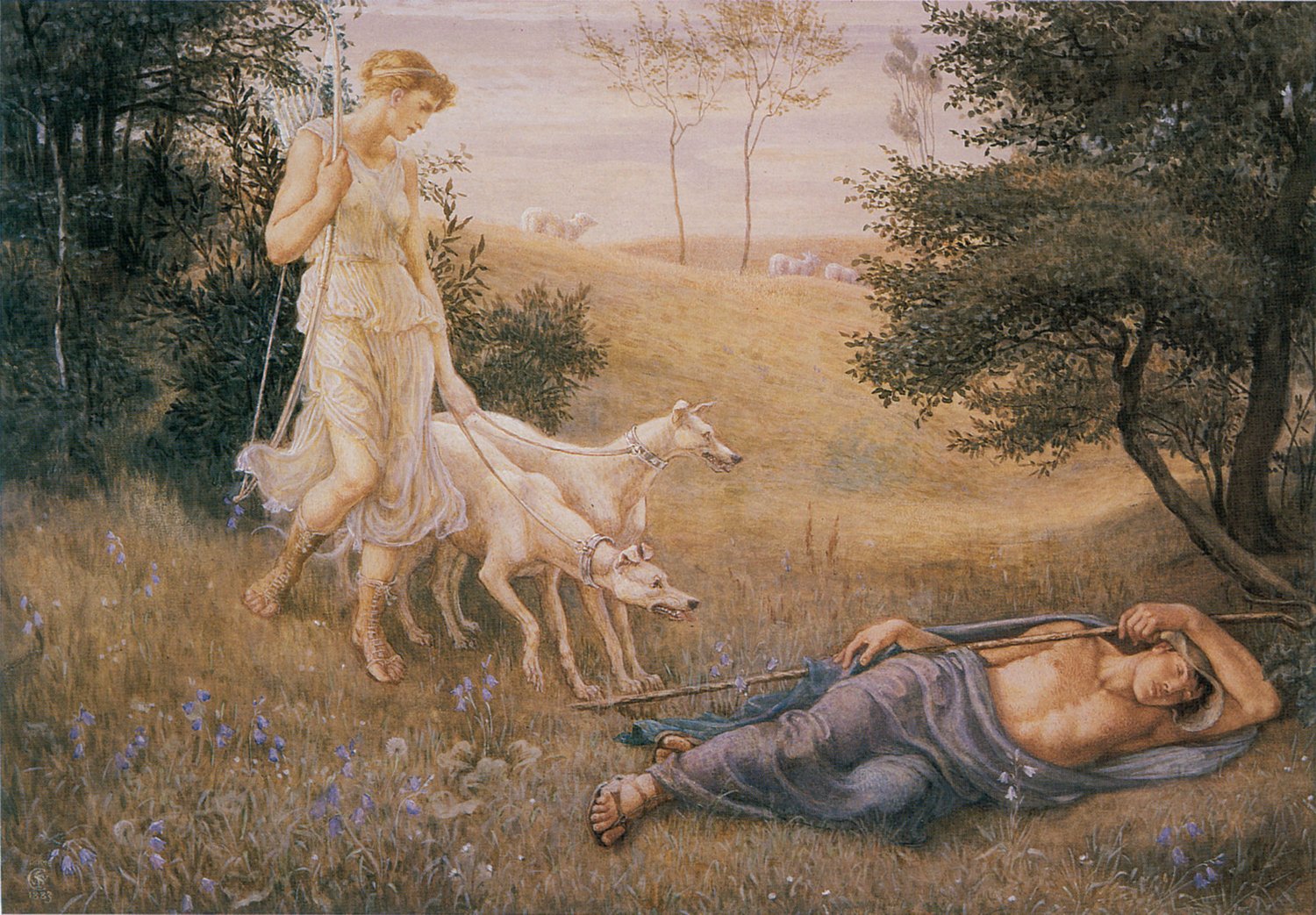
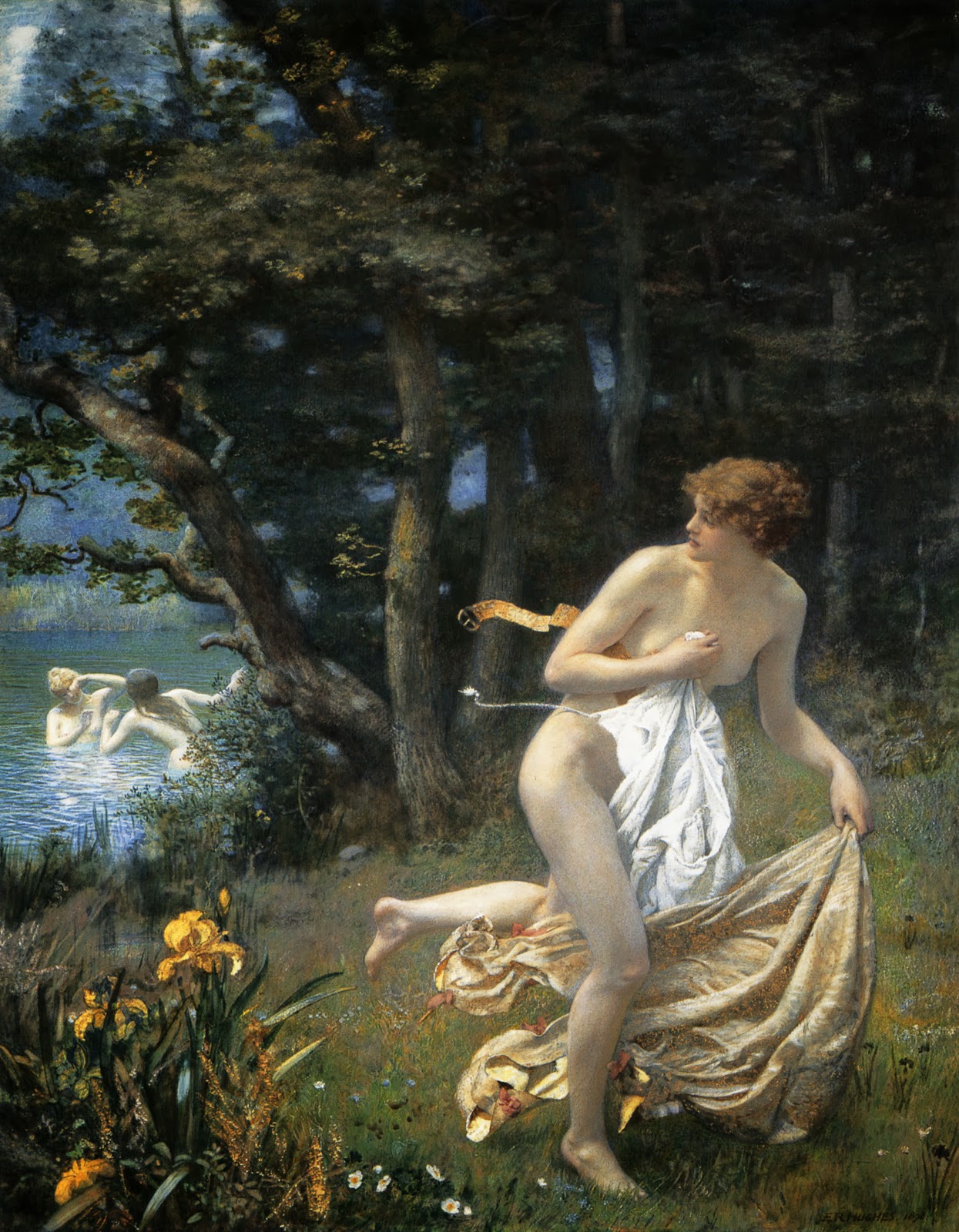
Walter Crane, Diana and Endymion

Alas, today’s preposition was way too easily profused, and in consequence I’ve come all too close to a crossword theme made of actual phrases properly interpreted.  I’ll try not to come this close again.  I don’t know how many promising theme ideas I’ve had to discard for no other reason than that they led, like this one, directly to phrases real people might really use.  Other constructors are not so scrupulous, and that’s why discriminating solvers like you keep returning to David Alfred Bywaters’s Crossword Cavalcade.


Download this week’s crossword:

083-Prepositional-Profusion-Part-3.puz

083-Prepositional-Profusion-Part-3.pdf

Solve this week’s crossword online:

083 Prepositional Profusion, Part 3

Novel 083: Emma Robinson, Cynthia Thorold (1862)

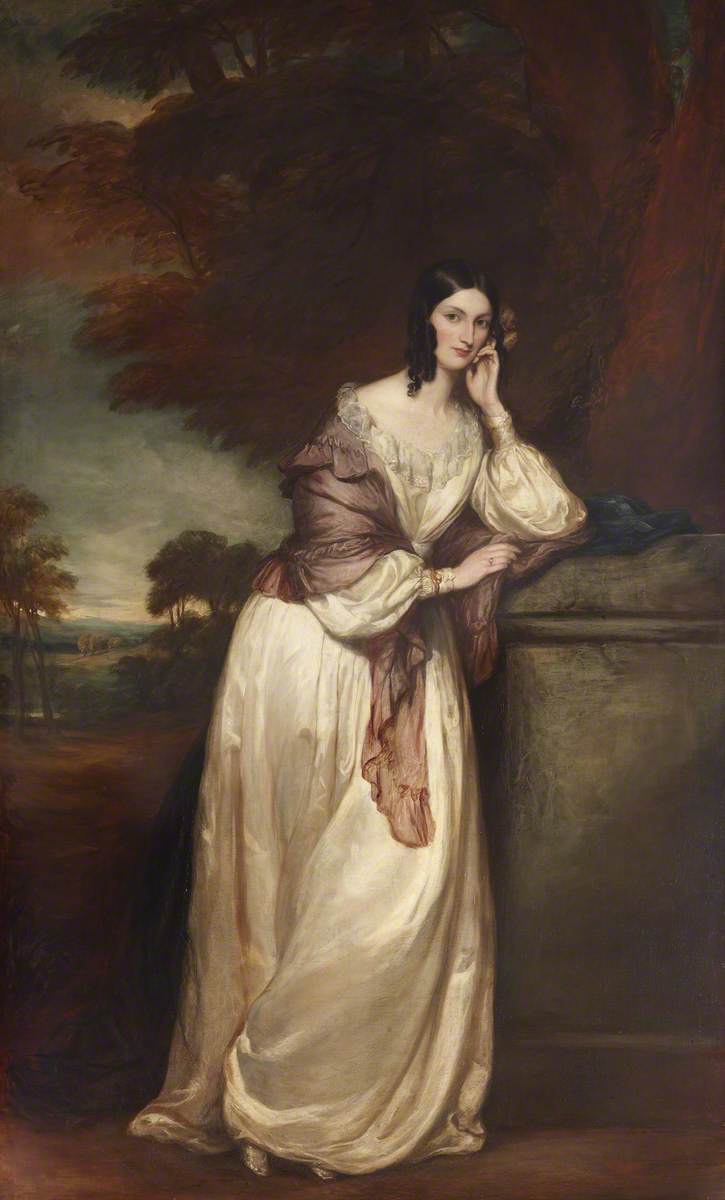
Sir Francis Grant, Lady Katherine Isabella Manners, Countess Jermyn

A young lady is displaced at her father’s death by a vulgar ship-chandler.


Emma Robinson (1814-1890) wrote fifteen novels between 1843 and 1867, most of them historical; this, however, is contemporary, an odd combination of farce and ghost story, written in a sometimes tortured but always lively style.

“The plot is dramatic enough, and would make an excellent farce.  As a story it is very entertaining.”  Caledonian Mercury, July 26, 1862

“Unlikely scenes...described with dash and spirit.”  Athenaeum, September 13, 1862

Download this week’s novel:

https://books.google.com/books?id=okBWAAAAcAAJ&dq

Crossword 082: Prepositional Profusion, Part 2

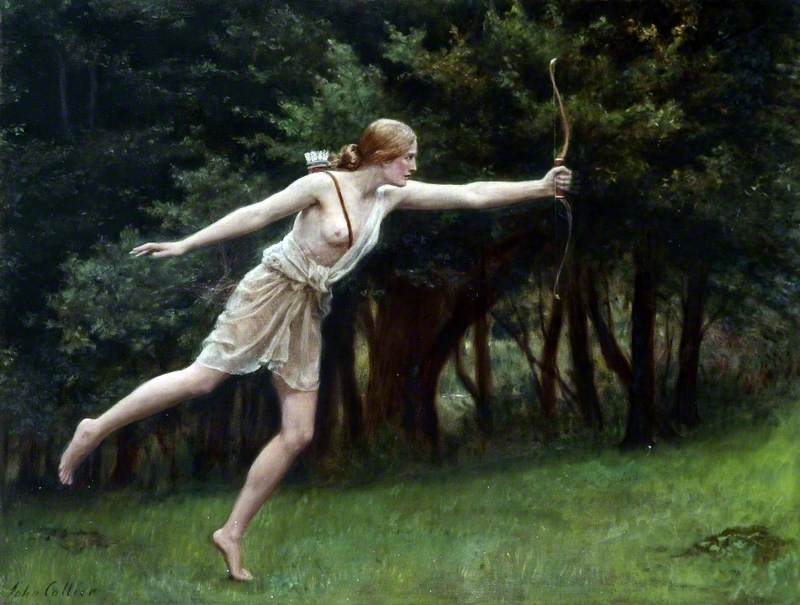
John Collier, Artemis

A mighty profound puzzle today, what with French philosophers, and the nature of being, and the unity of all things.  Philosophers are going to figure out the meaning of life eventually.   Meanwhile, if you’ve never heard of Mike and Jack (51 Across), I congratulate you.


Download this week’s crossword:

082-Prepositional-Profusion-Part-2.puz

082-Prepositional-Profusion-Part-2.pdf

Solve this week’s crossword online:

082 Prepositional Profusion, Part 2

Novel 082: Mrs. Alfred Sidgwick, Cynthia's Way (1901)

Sir Francis Grant, Portrait of a Lady

A rich Englishwoman, bored with offers of marriage, takes a job as a governess in Germany.


Mrs. Alfred Sidgwick (née Cecily Ullman) (1852-1934), born into a German-Jewish family, married an English philosophy professor and  wrote some 46 novels beginning in 1889.  This one finds humor in the cultural differences between the English protagonist and the German family for which she works.

“A pleasant story of modern life—a welcome story, for youth and happiness sparkle through its pages.”  Academy, November 9, 1901

“Mrs. Sidgwick, with rare keenness of vision, has seen below the surface ugliness of German existence, and has understood many things which the prejudiced refuse to acknowledge.” Bookman, December, 1901

“The charm of the book is to be found in the descriptions of German home life, and particularly in the doings and sayings of the children, who are real living youngsters.  This makes it wholesome, charming, and entertaining.”San Francisco Chronicle, February 15, 1902

Download this week’s novel:

https://archive.org/details/cynthiasway00sidggoog

Crossword 081: Prepositional Profusion, Part 1

Edward John Poynter, Diana and Endymion

We approach another summer solstice, and so it’s time for another series.  Last year, as you may fondly recall, I gave you six puzzles called “It’s Magic,” six recommendations of novels by the Trollope family, and six Victorian fairy paintings.  This year (having learned moderation in the meantime), I’ll give you four puzzles called “Prepositional Profusion,” four novels with titles that include the name “Cynthia,” and four paintings featuring the goddess of the moon, alternating with four paintings of women by Sir Francis Grant, President of the Royal Academy,  1866-1878.  Why?  Because I happen to have made four puzzles called “Prepositional Profusion,” and because my beloved wife’s name is Cynthia, and because I like paintings of women by Sir Francis Grant.


Download this week’s crossword:

081-Prepositional-Profusion-Part-1.puz

081-Prepositional-Profusion-Part-1.pdf

Solve this week’s crossword online:

081 Prepositional Profusion, Part 1

Novel 081: James Payn, The Canon's Ward (1884)

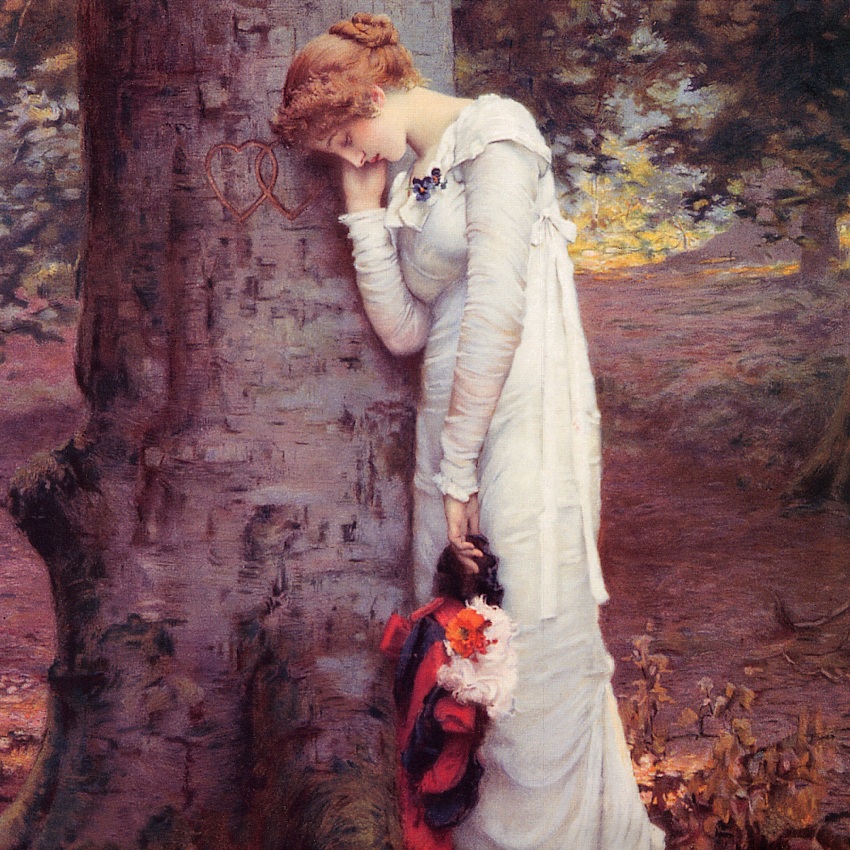
Marcus Stone, Absence Makes the Heart Grow Fonder

A young lady’s secret is used to her disadvantage by an unscrupulous young man.


Here is another novel by James Payn (see Novel 011), with an excellent plot featuring some delightfully scoundrelly scoundrels.

“Mr. Payn has here made a capital and original study of a villain…. the construction is excellent, strong situations abounding, and . . . nevertheless, the characters are developed with the utmost truthfulness.  The novel abounds with clever remark and sub-ironical reflection; but Mr. Payn, though sometimes he indulges in very smart sentences, is never really cynical or cruel:  there is a genial light shining over it all.”  British Quarterly Review, April, 1884

“The actors in it are, for the most part, really pleasant and agreeable; the scenes are, with important exceptions, natural and homelike; there is a domestic tone about the book, and family affection has full play.”  Spectator, April 12, 1884

It “does not amount to much as a story, although the interest does not flag; but it is full of the quiet wit which has been so enjoyable in all his other stories, and the terse characterization which gives us the man or the woman in a single sentence.” The Critic and Good Literature, May 10, 1884

Download this week’s novel:

v.1  https://archive.org/details/canonsward01payn/

v. 2 https://archive.org/details/canonsward02payn/

v.3 https://archive.org/details/canonsward03payn/

Crossword 080: Parodies

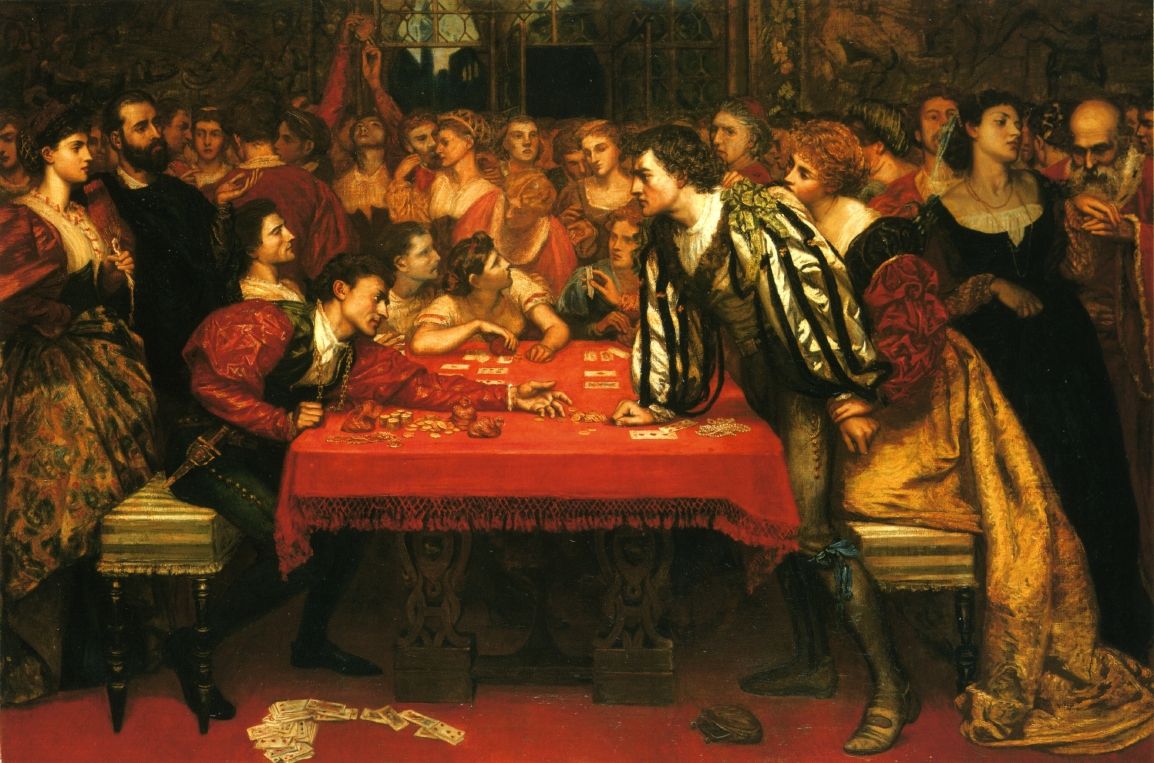
Valentine Cameron Prinsep, A Venetian Gaming-House in the Sixteenth Century

In an early version of this puzzle, ELIA, the pseudonym of essayist Charles Lamb that has been embraced by puzzle-constructors for its oreo-like usefulness, appeared at 41 Across.  Eager as always to spare you all the crosswordese I can, I took it out, but with some regret, for Lamb is the source of these wise words : “The puns which are most entertaining are those which will least bear an analysis.”  Write them down, gentle solver, and repeat them to yourself  next time you’re tempted to think ill of one of my themes.


Download this week’s puzzle:

080-Parodies.puz

080-Parodies.pdf

Solve this week’s crossword online:

080 Parodies

Novel 080: Mrs. Henry Chetwynd, Three Hundred a Year (1866)

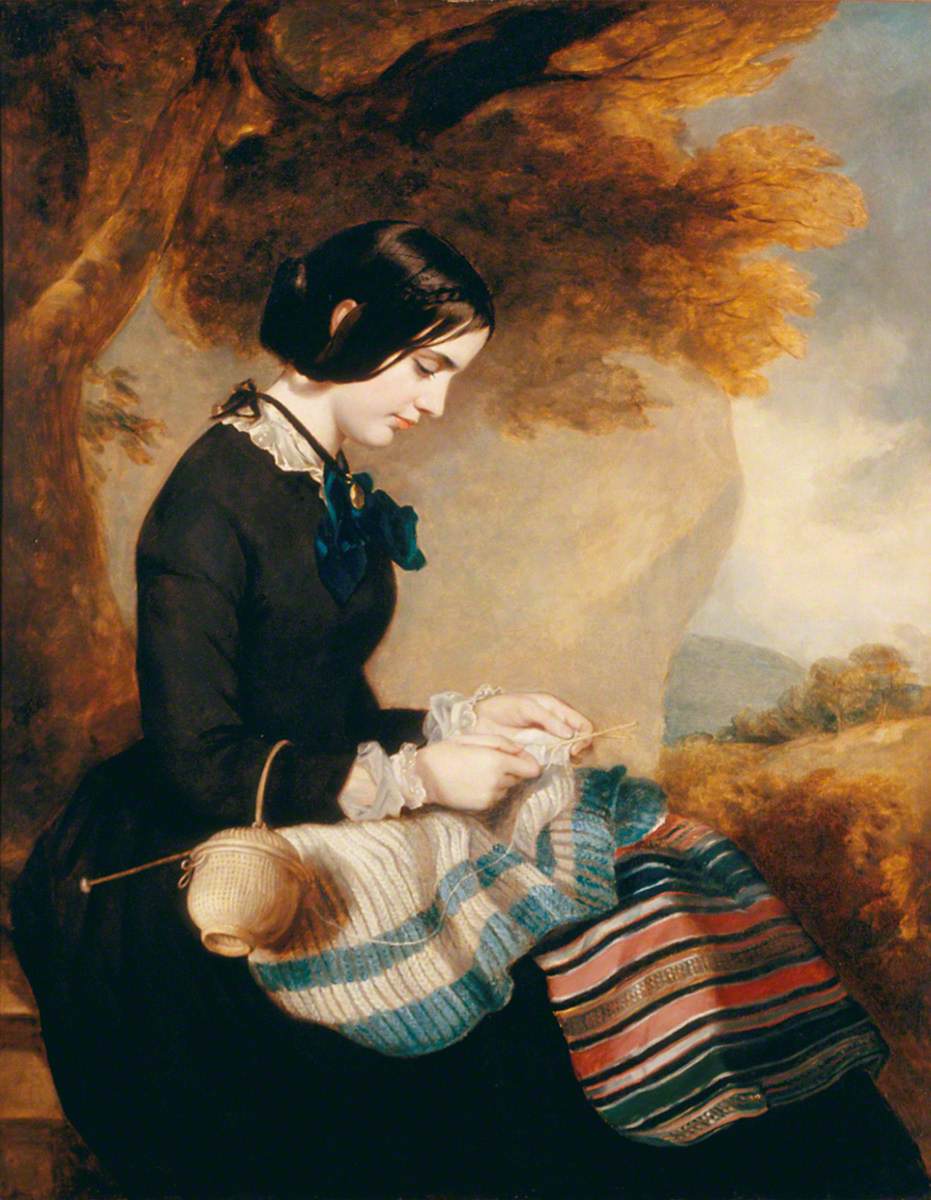
Sir Francis Grant, Mary Isabella Grant Knitting a Shawl

A young couple, raised in luxury, tries to live on a limited income; then other things happen.


Mrs. Henry Chetwynd (née Julie Bosville Davidson) (1828–1901) wrote over a dozen novels, of which this was the first.  The title applies only to the opening situation, after which the plot takes some weirdly abrupt turns.   Several of the characters are striking creations.

“This is a well-sustained and pleasant story, and the latter part of it abounds in humorous scenes and sketches of character”; the author “has a natural way of relating her story, and she is clever in contriving those little complications which prevent a love-tale from sinking into maudlin sentimentality.”  Athenaeum, May 26, 1866.

Download this week’s novel:

v.1 https://archive.org/details/threehundredyear01chet

v.2 https://archive.org/details/threehundredyear02chet

Crossword 079: What's Past Is Prologue

Joseph Farquharson, Herding Sheep in a Winter Landscape at Sunset

“What’s past is prologue”: why has this phrase become proverbial?  In Shakespeare's Tempest, where it originated, it’s spoken by the usurper Antonio, who is tempting his friend Sebastian to commit murder: the “past” in his case is the supposed drowning of Sebastian’s nephew (which didn’t happen, so it’s not in fact the past at all), and, in Antonio’s mind, it is “prologue” to the murder of Sebastian’s brother Alonso (which doesn’t happen either).  The phrase now seems to mean either that the present is shaped by a past we must acknowledge; or, contradictorily, that we can break free from the past if we try really hard.  It is, in short, nonsense built upon nonsense, and therefore perfect as a title for one of my crosswords.

The painting shows the results of proper 17-Across.


Download this week’s crossword:

079-What's-Past-is-Prologue.puz

079-What's-Past-is-Prologue.pdf

Solve this week’s crossword online:

079 What’s Past Is Prologue

Novel 079: Frances Milton Trollope, Petticoat Government (1850)

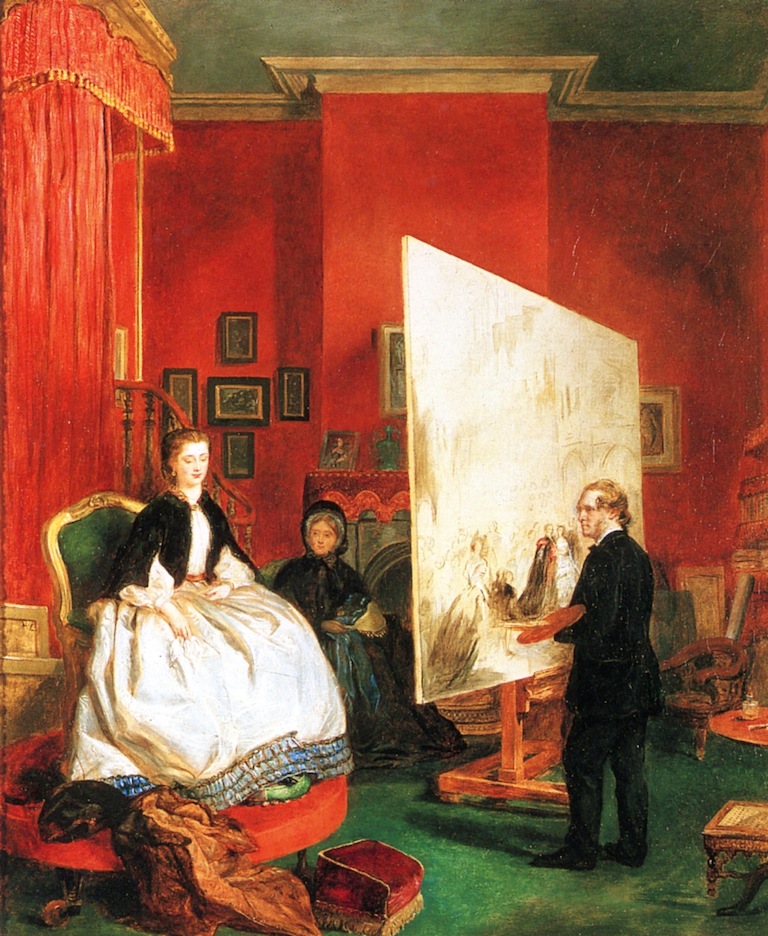
John Ballantyne, William Powell Frith Painting the Princess of Wales

Two maiden aunts compete for the guardianship of their orphaned niece.


The title is misleading: the book has nothing to do with women’s political ambitions.  Rather, it’s another example (see Novel 029), from rather late in her career, of the bright and vivid social comedy at which Frances Milton Trollope excelled.

“This is a novel rich in all the attractions” that novels provide:  “First, character skilfully painted and boldly relieved . . .  Next . . . abundance of incident, much varied, and always catching attention.  In the third place, a story progressively engaging our sympathies . . . and at last wound up in to a very ingeniously complicated plot.”  Standard, August 9, 1850

 “Mrs. Trollope appears in this novel to have recalled the most vigorous days of her genius.”  Critic, August 15, 1850.

Download this week’s novel:

v.1 https://archive.org/details/petticoatgovernm01trolrich

v. 2 https://archive.org/details/petticoatgovernm02trolrich

v.3 https://archive.org/details/petticoatgovernm03trolrich

Crossword 078: Laughing on the Outside, Crying on the Inside

P.T. Barnum Circus Poster

A common motif in theater (the Pierrot of commedia dell’arte and his many literary heirs), in opera (“Vesti la giubba”), in song (“The Tears of a Clown,” “I’m a Loser”), in sad clown paintings—a motif that no doubt reflects a universal and enduring human feeling—receives here a moving crossword treatment.


Download this week’s puzzle:

078-Laughing-on-the-Outside,-Crying-on-the-Inside.puz

078-Laughing-on-the-Outside,-Crying-on-the-Inside.pdf

Solve this week’s crossword online:

078 Laughing on the Outside, Crying on the Inside

Novel 078: Merwin & Webster, Calumet "K" (1901)

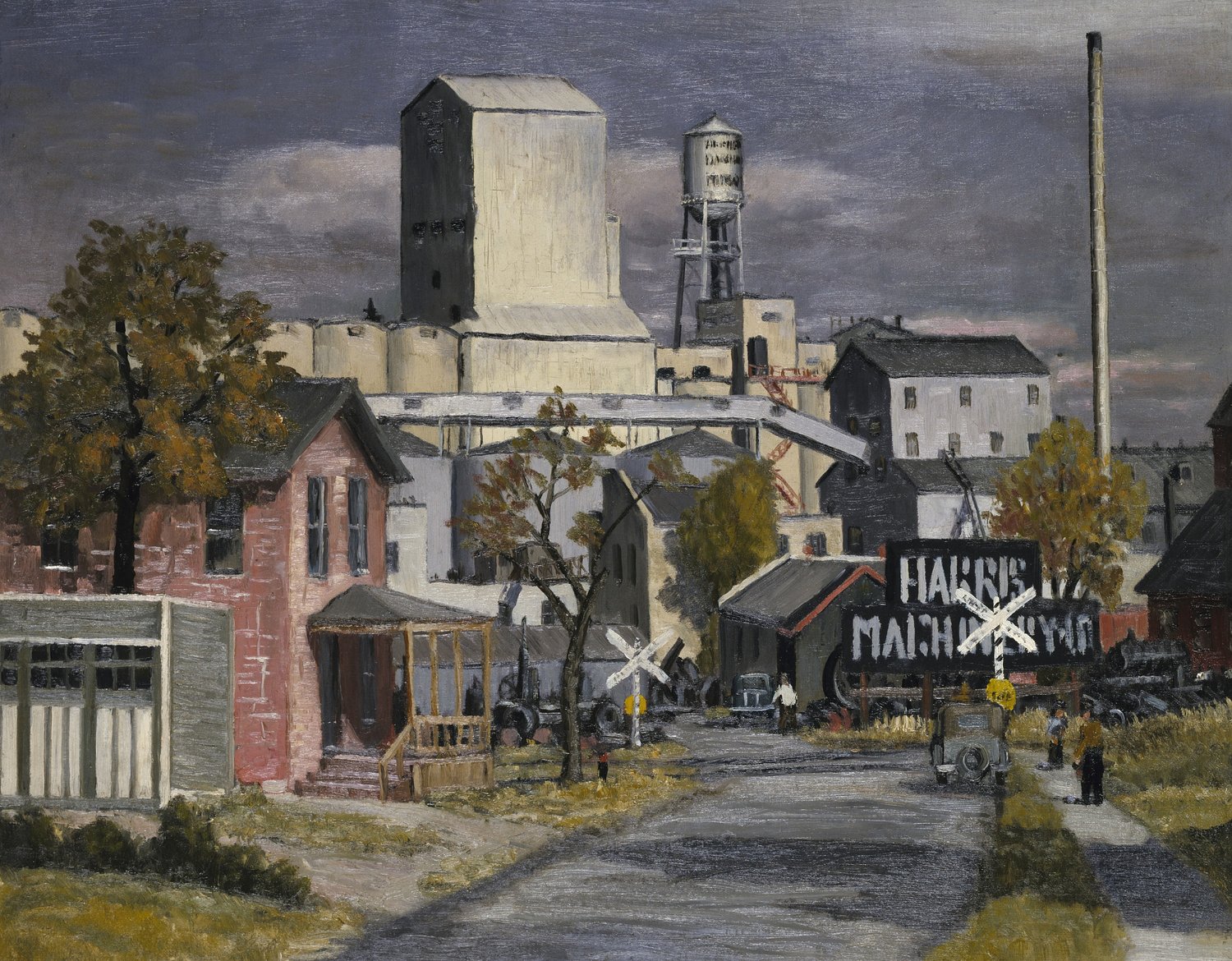
Arnold Ness Klagstad, Archer Daniels Midland Elevator

A man oversees the construction of a grain elevator.


Samuel Merwin (1874-1936) and Henry Kitchell Webster (1875-1932), both from Evanston, Illinois, collaborated on a number of novels.  This one makes the building of a grain elevator outside Chicago the occasion of a gripping tale of entrepreneurial good and evil.

“Not even Kipling could put more life into the story or give one a better idea of the obstacles which the man met and conquered.” San Francisco Chronicle, November 30, 1901

“As good a story of the romance of modern enterprise as can be found. . . .  The way in which the young constructor triumphs over all odds forms the substance of as thrilling a story as any tale of war or adventure.” Advance, December 5, 1901

“A brisk and characteristic example of the American novel,—the romance of Labour. . . .  The material of the book is  absolutely prosaic . . . but the story will delight readers who combine mechanical tastes with the spirit of practical enterprise. . . .  The joint authors have the faculty of clear and brief description, which makes it easy to follow the intricacies of a ‘business’ plot.”  Spectator, December 14, 1901

Download this week’s novel:

https://archive.org/details/calumetk00cogoog

Crossword 077: Omnia Vincit Clamor

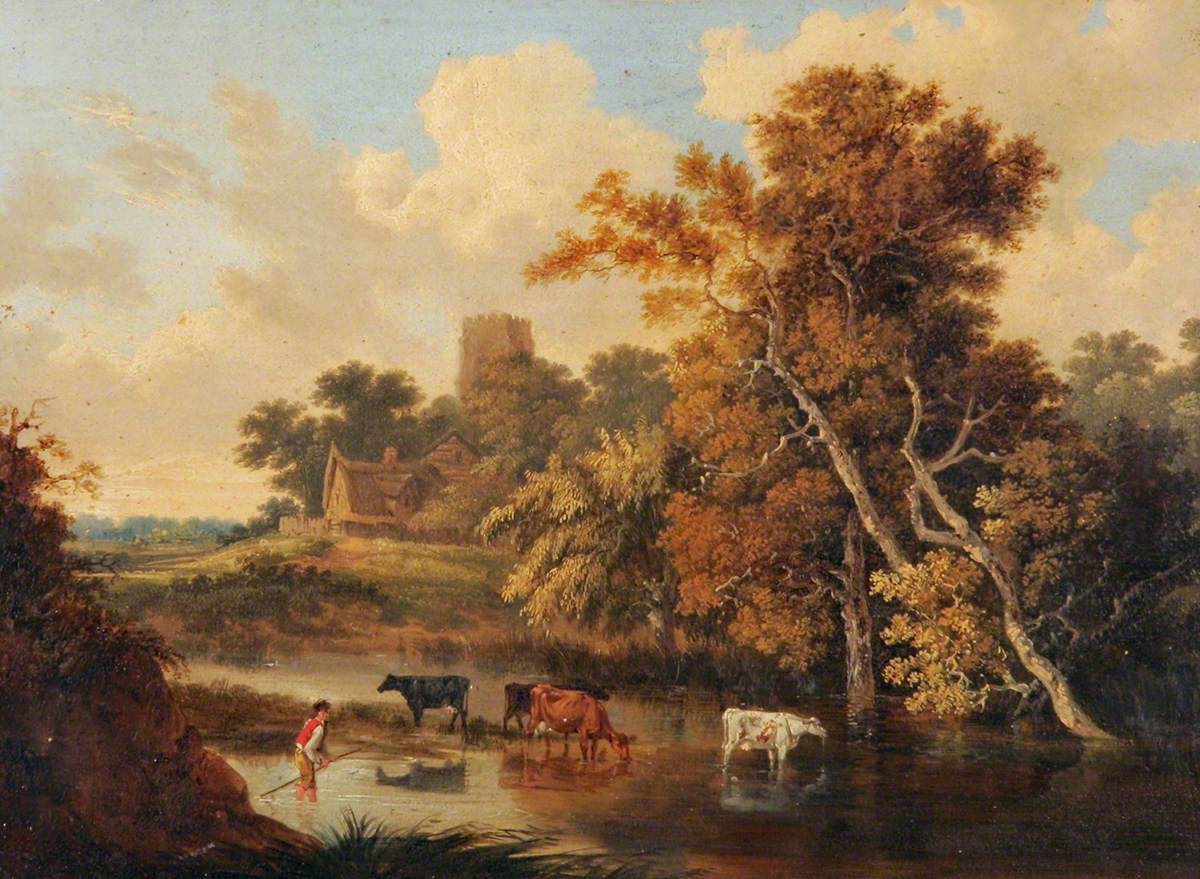
John Berney Ladbrooke, Cows in a Woodland Pool

Are you taking in all the subtle nuances of my puzzles, gentle solver?  The title of this one, for example, is a rueful reflection on the state of contemporary politics, while the puzzle itself, in pointed contrast, conjures a better, alternative world, one in which circus entertainers can afford second homes, and cows play baseball.  It’s utopian fantasy, to be sure, but not mere escapism, for it’s encased in biting topical satire.  (I invite my future biographers to make use of any or all of these phrases.)


Download this week’s puzzle:

077-Omnia-Vincit-Clamor.puz

077-Omnia-Vincit-Clamor.pdf

Solve this week’s crossword online:

077 Omnia Vincit Clamor

Novel 077: Mrs. Henry Wood, East Lynne (1861)

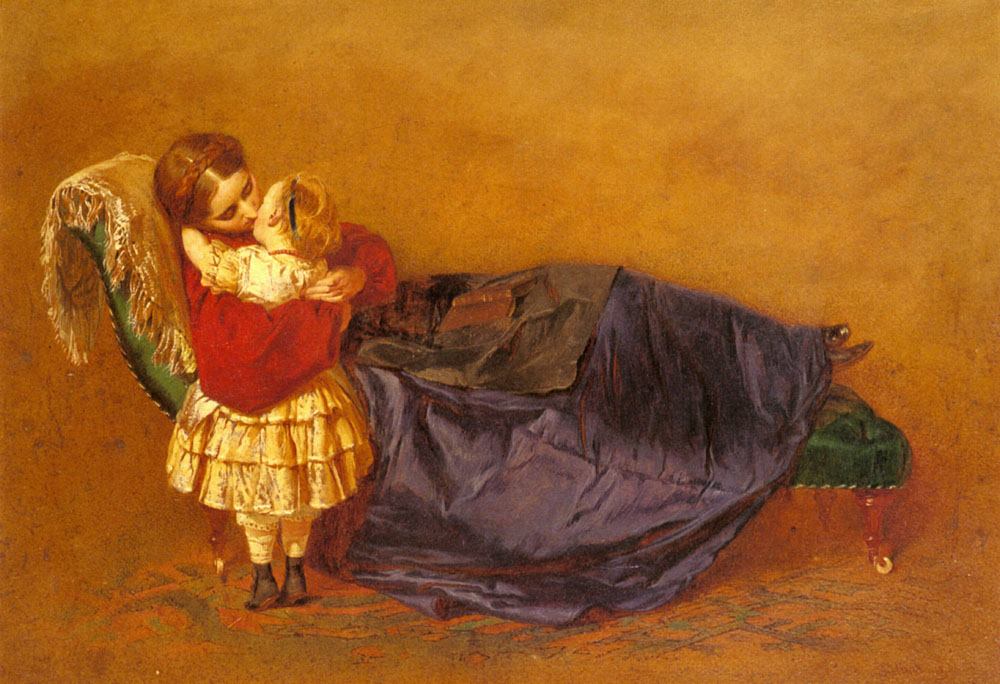
George Elgar Hicks, Mother and Child

A successful lawyer’s aristocratic wife is tempted to stray.


The prolific and popular Mrs. Henry Wood (born Ellen Price) (1814-1887), though she did not begin writing until middle age, published over forty novels and story collections; in this novel, which established her fame, her moralistic and sentimental proclivities can’t overcome vivid characters and a gripping plot.

“The plot is interesting, intricate and well carried out; the characters are life-like, and the writing simple and natural.”  Athenaeum, October 12, 1861

“The authoress treads the ground sacred to French novels with the honest and firm step of an Englishwoman.”  Examiner, October 16, 1861

“There is no wit in it, nor any powerful play of passion, nor any subtle analysis of character.  It merely flows on with a good plot carefully worked out, with clear, clever sketches of ordinary people, and in a pleasant, natural style.”  Saturday Review, February 15, 1862

Download this week’s novel:

v.1 https://archive.org/details/eastlynne01wood/

v.2 https://archive.org/details/eastlynne02wood/

v.3 https://archive.org/details/eastlynne03wood/

Crossword 076: Hydration


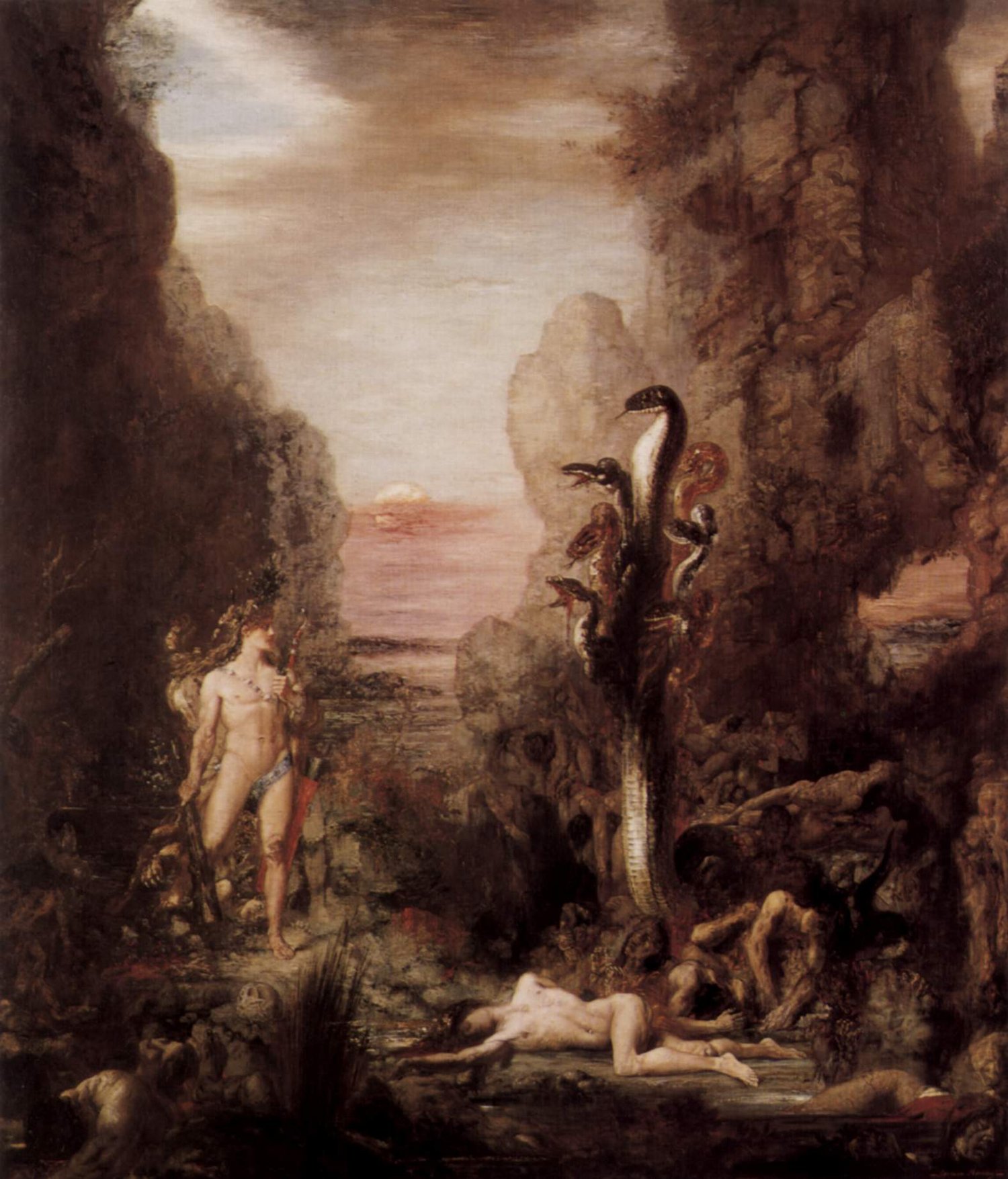
Gustave Moreau, Hercules and the Lernaean Hydra


I was planning a large puzzle based on the twelve labors of Hercules.  I was going to make the labors turn corners so that they’d seem extra laborious (crossword answers that turn corners are really hot these days).  I had fit in "Nemean," "Lernaean," "Ceryneian," "Erymanthian," and "Augean," all very neatly—but "Stymphalian"  defeated me.  Oh well—here’s this instead.

Download this week’s crossword:

076-Hydration.puz

076-Hydration.pdf

Solve this week’s crossword online:

076 Hydration


Novel 076: Hamilton Aïdé, Introduced to Society (1884)

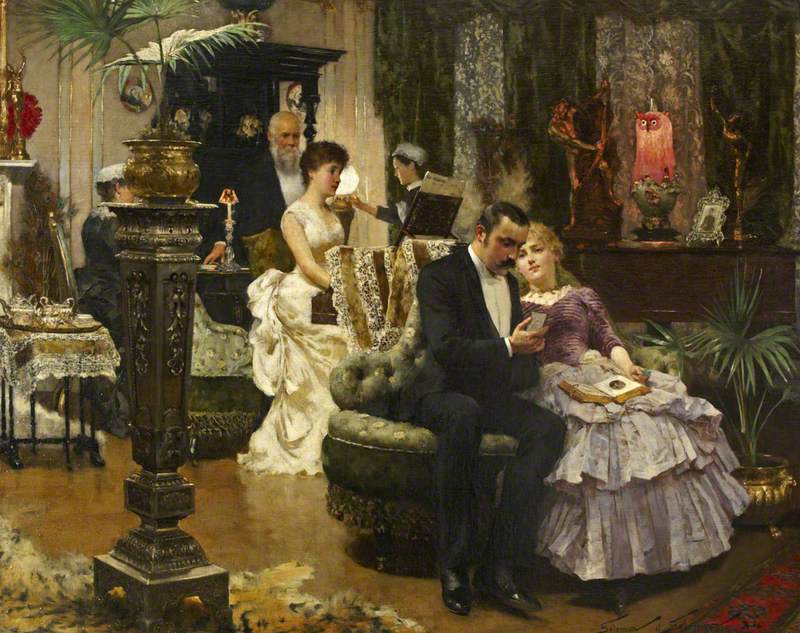
Solomon Joseph Solomon, A Conversation Piece

An Australian heiress pays a baronet for introduction into English society.


Charles Hamilton Aïdé (1826-1906) wrote some 17 novels between 1858 and 1901, most of them, like this one, social comedies in genteel settings.

“A bright, readable tale, written in excellent English, and containing plenty of clever dialogue.”  Athenaeum, March 15, 1884

“In all Mr. Hamilton Aïdé’s novels, good-taste and moderation are as conspicuous as knowledge of the world, and a certain subdued romance which is a pleasant corrective of the pessimism that ‘Society’ novels must reveal unless they are utterly vulgar. . . .  Some scenes in this too brief story have genuine beauty, others are humorous and caustic, and the whole story is good.”  Spectator, April 5, 1884

Download this week’s novel:

https://solo.bodleian.ox.ac.uk/permalink/44OXF_INST/35n82s/alma990146506930107026

Crossword 075: Stupid New Apple Devices

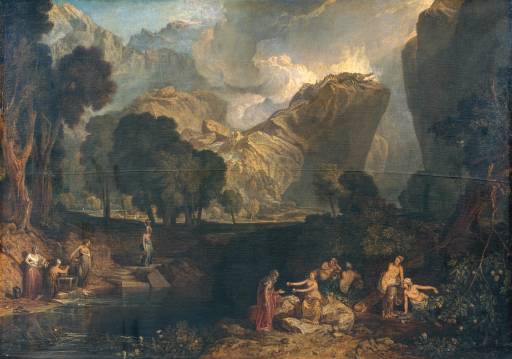
J.M.W. Turner, The Goddess of Discord Choosing the Apple of Contention in the Garden of the Hesperides

I bought my first Apple laptop long ago, when its maker was an underdog competitor of Microsoft; all the software I’ve learned, all the files I’ve made ever since have been within Apple’s systems.  And now, God help me, I’m trapped.  Apple charges ever more for ever worse computer products (the battery swells! the ports are gone! the keyboard doesn’t work! the update broke everything! nothing helps and nobody knows why!)  Meanwhile, with its monstrous stash of under-taxed money, it invests, not in improving the stability and durability of those products, but in finding ways to confiscate the dwindling profits of journalists, or in adding to the ever-growing heap of idiotic television shows on which the public stultifies itself when it would be so much happier solving crossword puzzles and reading Victorian novels.

In today’s puzzle, I react, as I do to all life’s ills, with impotent mockery.


Download this week’s puzzle:

075-Stupid-New-Apple-Devices.puz

075-Stupid-New-Apple-Devices.pdf

Solve this week’s crossword online:

075 Stupid New Apple Devices