David Alfred Bywaters's Crossword Cavalcade & Fortnightly Victorian Novel Recommender. Every Saturday! Either a new language-torturing puzzle or an old novel by an unjustly neglected Victorian author. Why waste time on other amusements?

Novel 175: Jane Octavia Brookfield, Influence (1871)
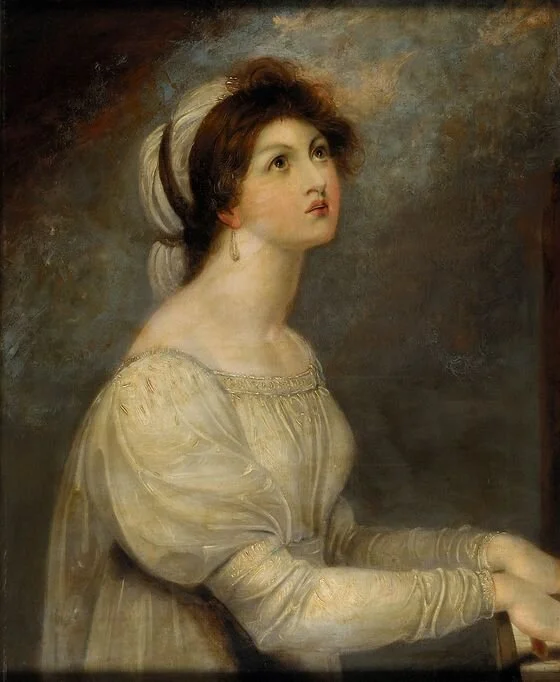
Richard Westall, Lady Hamilton (as St Cecilia)

An ambitious, intellectual woman seeks to arrange her friends’ lives.


Jane Octavia Brookfield (1821-1896), in the 1840s a very special friend of William Makepeace Thackeray, wrote four novels many years later, of which this is the second.  Oddly clumsy in some ways (especially in its narrator’s intrusions), it nonetheless has some vivid, interesting characters.

“A novel of character which, if not deeply exciting, or suggestive of any new aspects of feminine human nature, is original in plan, and not ineffectively executed.”  Athenaeum, January 21, 1871

“Influence at once makes itself felt as a book of character. There is no danger of confounding it with the ordinary run of novels, there is no danger of forgetting it. . . .  The conversations are well managed, and, though there is no pretence at a plot, the story is interesting.   Altogether, Influence is a good novel.”  Spectator, May 20, 1871

Download this week’s novel:
v.1 http://access.bl.uk/item/viewer/ark:/81055/vdc_00000003F6E4#?c=0&m=0&s=0&cv=4&xywh=-329%2C-123%2C2895%2C2158

v.2 http://access.bl.uk/item/viewer/ark:/81055/vdc_00000003F6EA#?c=0&m=0&s=0&cv=4&xywh=-316%2C-100%2C2906%2C2166

Crossword 174: Is It In Or Isn't It?

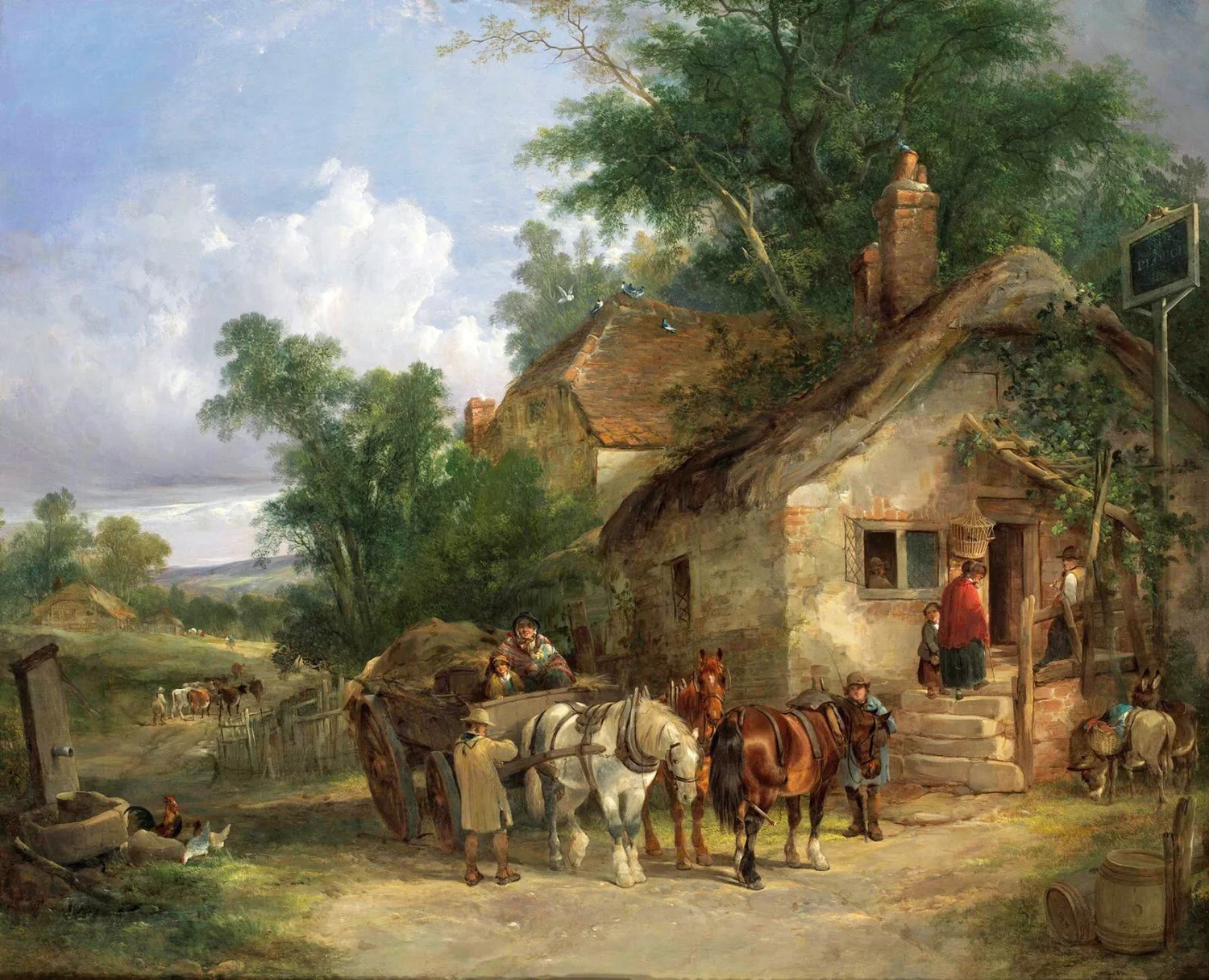
William Shayer Senior, A Halt at the Inn

Like other hip crossword constructors of today, I ask myself that question over and over again, as I decide on each word:  not “will it be known to the average solver?” but “is it in?”  Only the hottest new celebrities, the coolest TV shows, the freshest slang, will do.  To be sure, the French painter in today’s puzzle died in 1665, and its “mild oath” was in use as early as 1815:  but they’re fadding—wait, I mean trending—now!


Download this week’s crossword:

174-Is-It-In-Or-Isn't-It?.puz

174-Is-It-In-Or-Isn't-It?.pdf

Solve this week’s crossword online:

174 Is It In Or Isn’t It?

Novel 174: Lucy B. Walford, Cousins (1879)

Edwin Longsden Long, The Cousins

Three sisters react to the return of their wealthy and distinguished cousin from India.


This novel provides a generous sampling of its author’s characteristically deft social comedy (see Novels 018, 066, 121), despite a sometimes annoying plot.

“There is a resemblance in the manner of handling to Miss Austen’s manner, especially in the first volume; and when it is said that Cousins does not come too discreditably out of the comparison, we need not say that a very high compliment is thereby paid to the author.” Academy, July 26, 1879

“It is, in part at least, a very good novel—one of the best that we have read for a long time.  The situation . . . upon which it turns is . . . novel and . . . has great capabilities. . . .  Its great attraction lies in the delicacy of the character drawing, in the charming domestic sketches in which it abounds, and in the natural and easy dialogue which is so rare an accomplishment with novelists.  The first volume, which is far the best, will remind many readers of Miss Austen’s work, and it would be impossible to give it higher praise.” Manchester Guardian, August 18, 1879

Its “success is, in our judgment, decided”; it is “as careful and honest as it is modest and pure.   The purpose of the story is kept in view throughout; there are no tricks of style or language, and there is no padding.” Saturday Review, August 30, 1879

Download this week’s novel:
v.1 https://archive.org/details/cousins01walfo

v.2 https://archive.org/details/cousins02walf

v.3 https://archive.org/details/cousins03walf

Crossword 173: Faulty Instrument Panel

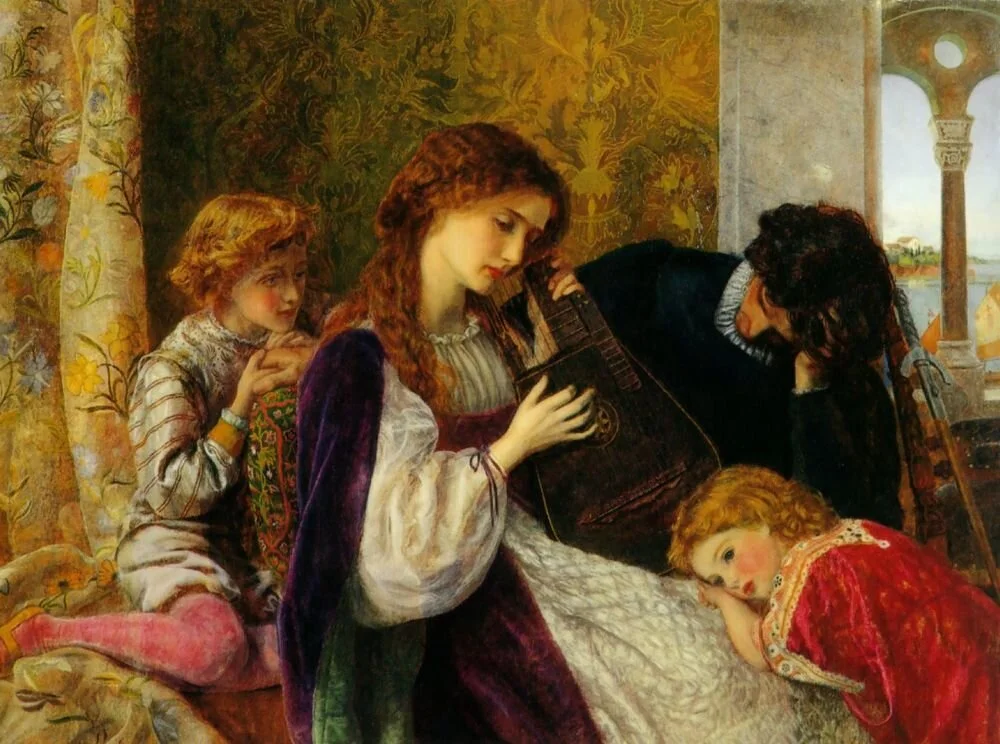
Arthur Hughes, A Music Party

This week I continue my ongoing attempt to render in crossword form the lighter side of all possible human afflictions.  Next week I might try to take the sting out of intake manifold runner control system malfunctions, unless something better occurs to me in the meantime.


Download this week’s crossword:

173-Faulty-Instrument-Panel.puz

173-Faulty-Instrument-Panel.pdf

Solve this week’s crossword online:

173 Faulty Instrument Panel

Novel 173: Harold Frederic, March Hares (1896)

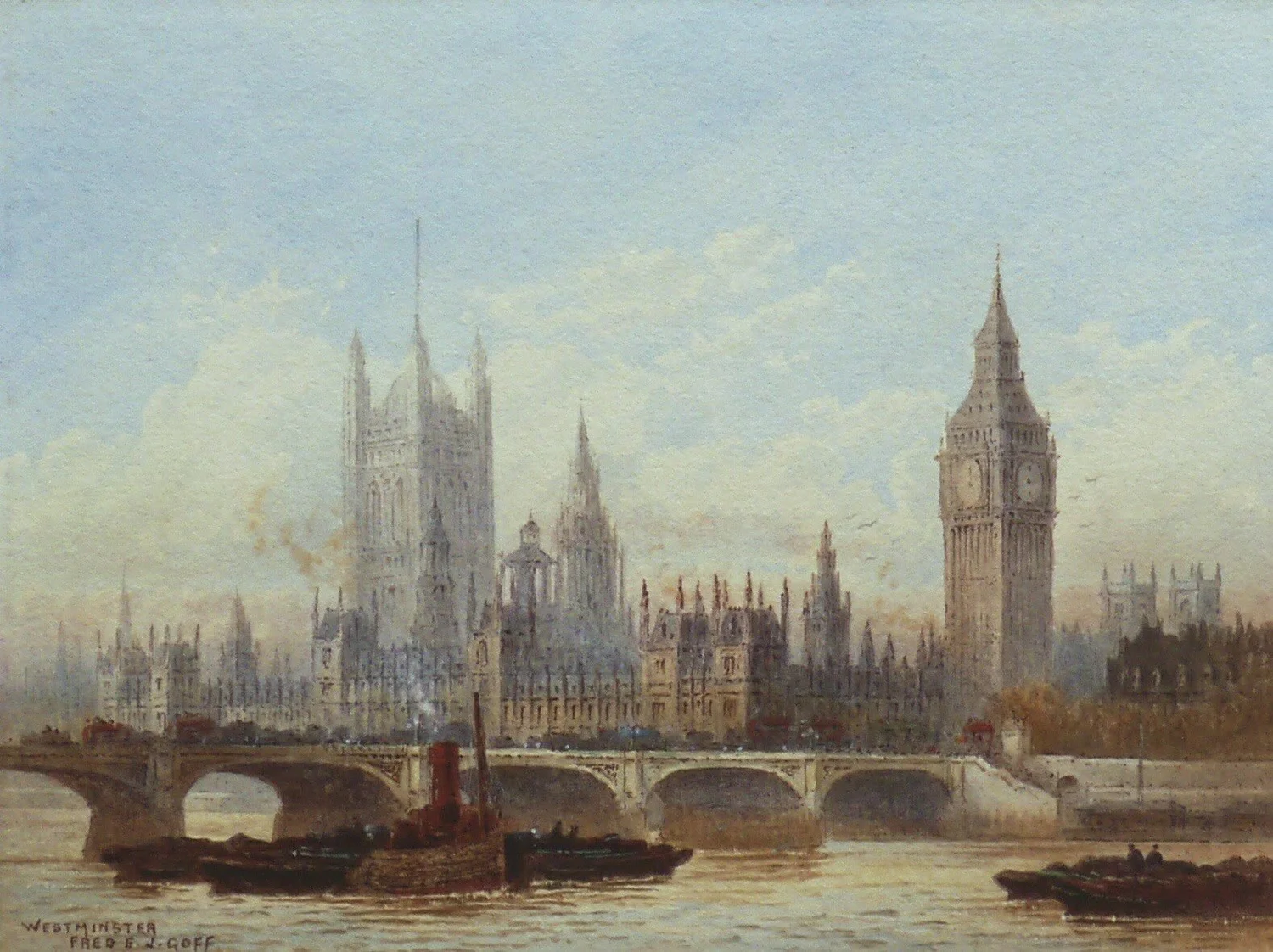
Frederick Edward Joseph Goff, Westminster and Westminster Bridge from the River

Two unhappy young people meet by chance on Westminster bridge.


Best known for The Damnation of Theron Ware (1896), expatriate American journalist Harold Frederic (1856-1898) wrote ten  other novels before his death in middle age, one of them this brief, light-hearted love story set in London.

“We can thoroughly commend the book as an easily read piece of fancy.” Athenaeum, July 4, 1896

“Mr. Harold Frederic gives the reader of ‘March Hares’ a shock of delightful surprise. . . .   he is captivating, amusing, a playful companion.”  His characters “are simply human beings flung into the grotesque whirl of such a sequence of situations as only a riotous imagination could devise, but which such a keen intelligence as Mr. Frederic’s finds no difficulty making thoroughly natural.  We use the word intelligence, because . . . Mr. Frederic seems to be exercising the mere gymnastical faculties of his mind, whipping along the dialogue with so much animation, so much fun, so much ingenuity, that the effect of the tale is not unlike that of the conversation of original and clever people. . . .  It has art of the genuine sort, not mere silly craftsmanship and pretense, but the dignified art which means a quiet mastery of the subject in hand.  There are few novelists to-day who could have taken such a gossamer theme as that of ‘March Hares’ and left it so well worked out as it has been in the present case.”  New York Tribune, December 20, 1896

Download this week’s novel:
https://archive.org/details/marchhares00fred

Novel 172: Catherine Gore, The Banker’s Wife (1843)

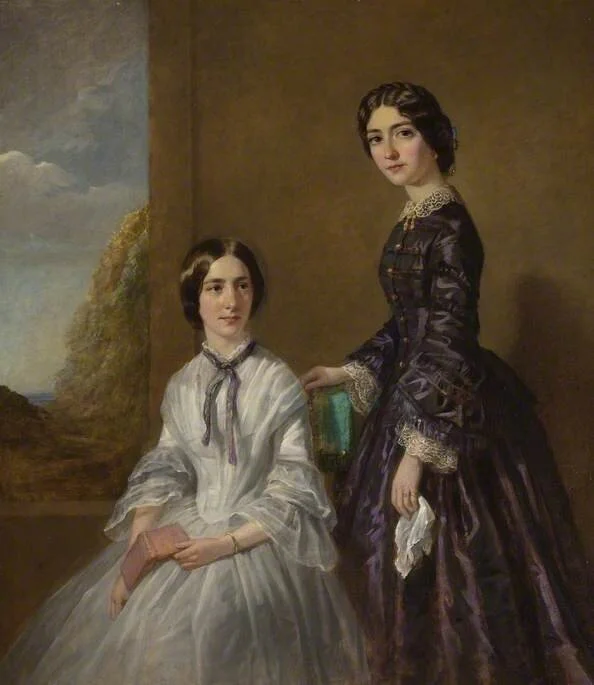
Richard Buckner, Emily Lady Isham

A scheming banker has little sympathy for his family.


Here is another excellent novel by Gore (see Novels 012, 072, 118), filled as usual with shrewd social satire.

“A very clever, and what is more, a very readable novel; clear, rapid, fluent, abounding in pointed sentences.” Spectator, September 16, 1843

No living author “possesses greater power in the delineation of character.”  Sunday Times, September 17, 1843

“The ‘name’ of its writer, first as  that of a woman, and secondly as that of a popular ‘novelist,’ will long keep it out of the hands of those ‘grave and reverend signors,’ who are the chief dispensers of that reputation which they cannot compass for themselves, and who . . . will never be satisfied that a woman has been gifted with faculties of observing . . . nature.” Morning Post, October 1843

Download this week’s novel:
v.1 https://archive.org/details/bankerswifeorcou01gore

v.2 https://archive.org/details/bankerswifeorcou02gore

v.3 https://archive.org/details/bankerswifeorcou03gore

Crossword 171: Inner City

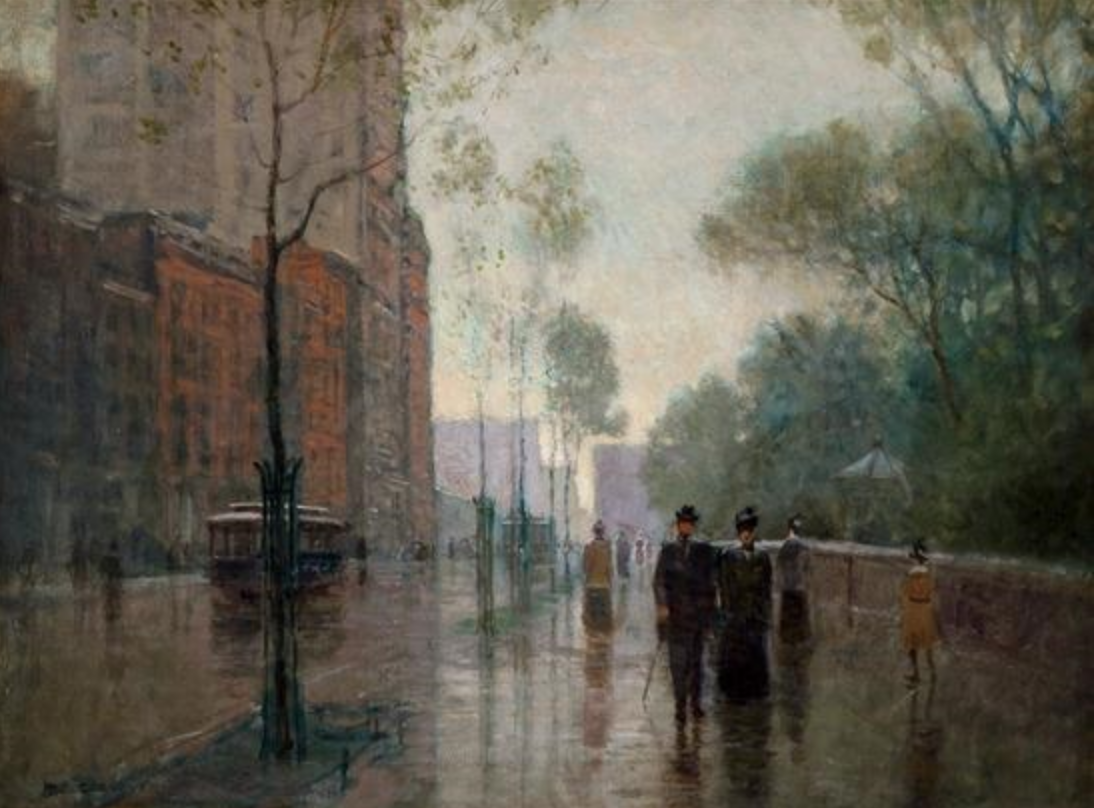
Paul Cornoyer, Rainy Day, New York City

If you’re longing for the hustle and the bustle, the hurry and the scurry, the hurly and the burly, the hub and the bub, of a big city (and don’t happen to live in one), you’ll save a lot in plane fare and hotel fees if you just do this puzzle.

(NB: It’s such a big city puzzle I had to make two extra rows!)


Download this week’s crossword:

171-Inner-City.puz

171-Inner-City.pdf

Solve this week’s crossword online:

171 Inner City

Novel 171: Cecil Clayton, Azalea (1876)

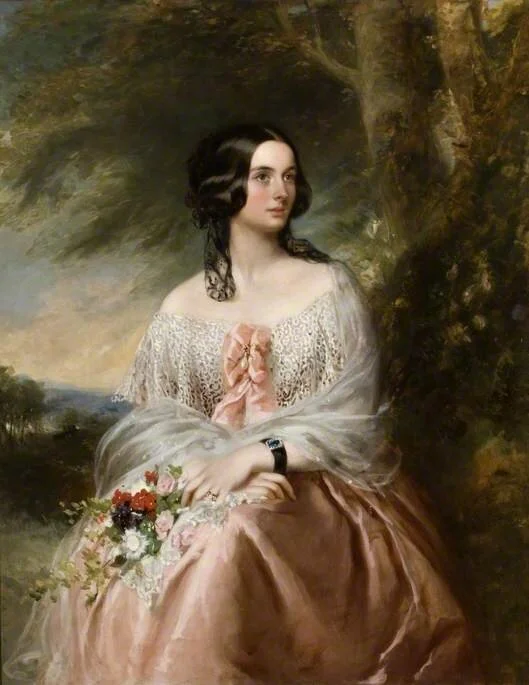
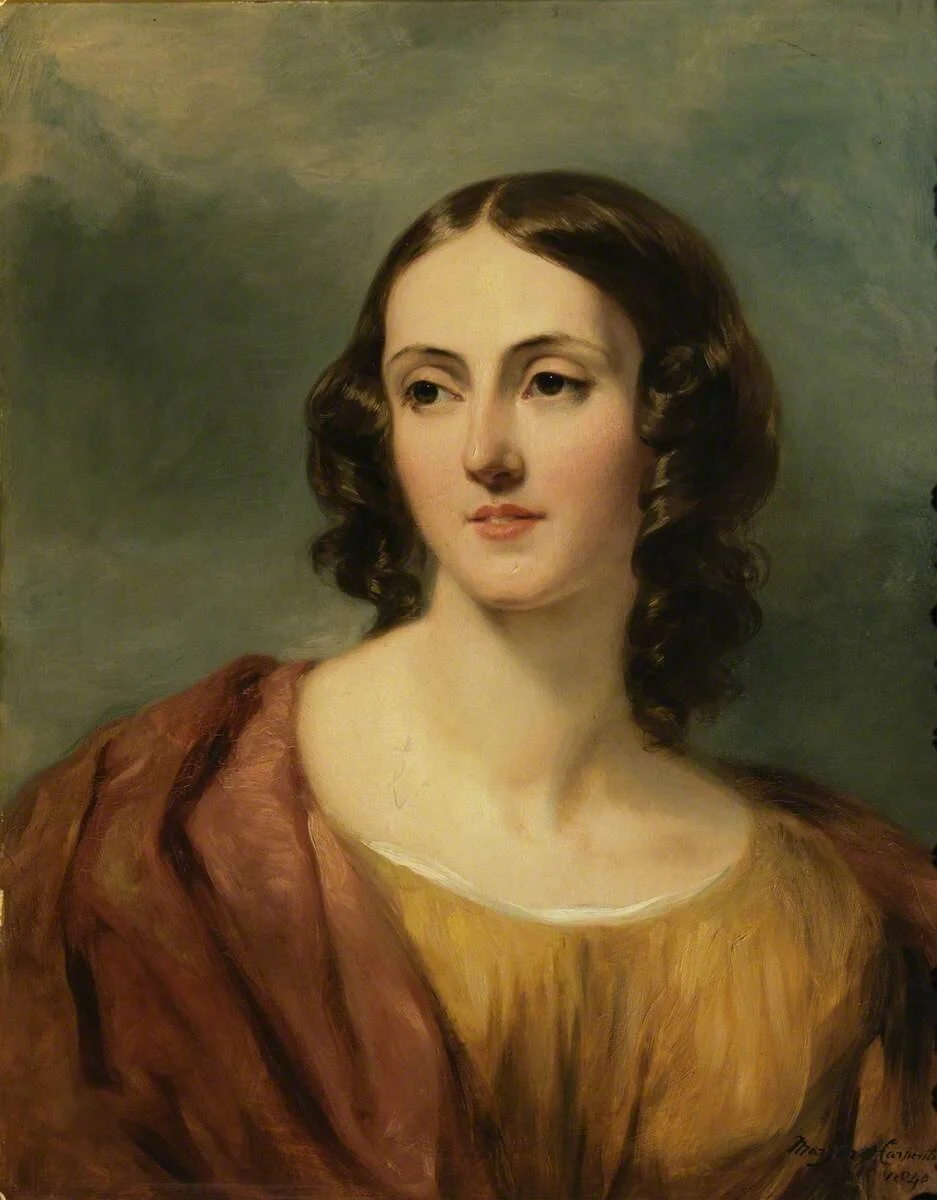
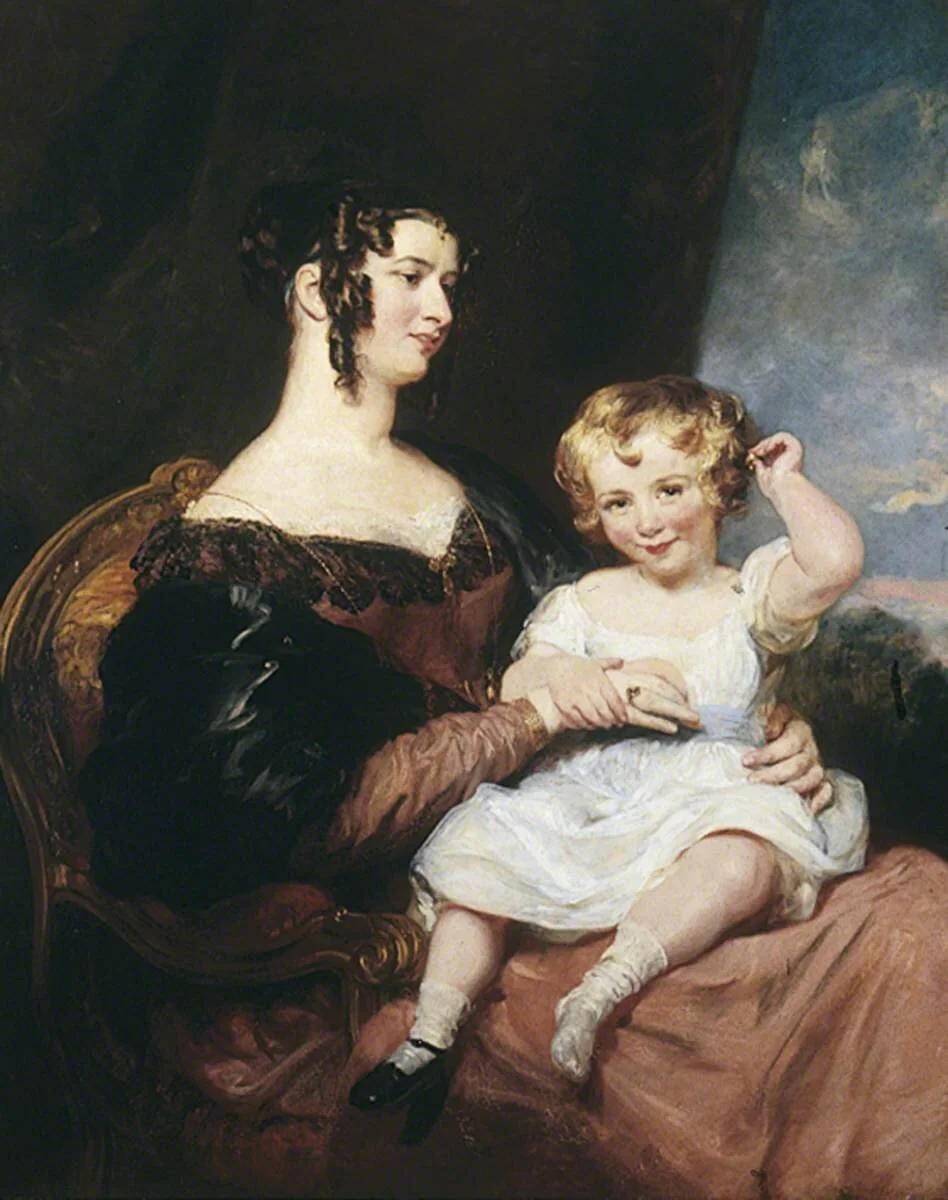
Margaret Sarah Carpenter, Lady Harriet Hamilton

A girl, raised to the age of twelve in the Italian Alps by the widowed daughter of a Jewish silk-merchant, is on her mother's death adopted by her English uncle.


About Cecil Clayton nothing is known, except that two novels appeared under this name, Effie’s Game in 1873 and this one three years later.  It has some excellent characters, a good style, and a pleasantly untroubled plot, as though the author were too soft-hearted to inflict much pain on her (or his?) creations.

“Azalea is a story which, without having anything new either in plot or characters, is distinctly easy and pleasant to read, in consequence of its thoroughly cultured and well-bred tone.” Academy, September 9, 1876

“People whose nerves have been shaken by overwork or anxiety, people who wish to forget that there are such things as passion and suffering in the world, should read this smoothest of all smooth tales, and enjoy the society of the innocent persons.  The worst characters in Azalea are sometimes flippant or a little peevish, but their failings are never allowed to interfere with the tranquil happiness of the hero and heroine.” Saturday Review, September 16, 1876

Download this week’s novel:
https://books.google.com/books?id=o2tTPrSSiosC&newbks=1&newbks_redir=0&dq=azalea%20cecil%20clayton&pg=PA7#v=onepage&q=azalea%20cecil%20clayton&f=false

Crossword 170: Beastly Puns

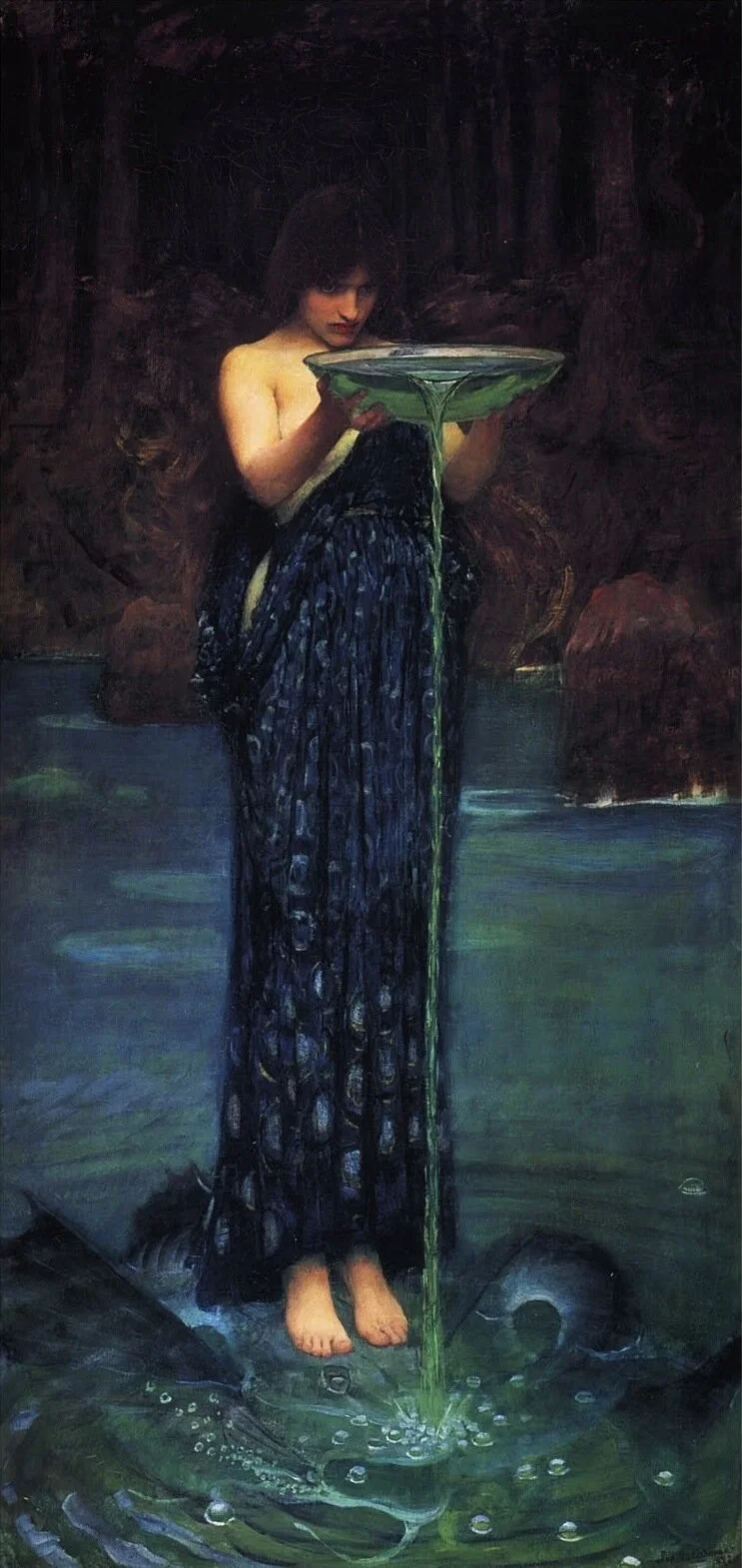
John William Waterhouse, Circe

When I test-solved this puzzle, I found I’d clued 35 Across “Jacob’s brother” and 55 Across “Seth’s son.”  This seemed like too many Biblical relatives, so I substituted two “hidden-in” clues, which are more fun anyway—not that modified homonym cliché-based animal pun phrases aren’t already more fun than anybody ought to be trusted with.


Download this week’s crossword:

170-Beastly-Puns.puz

170-Beastly-Puns.pdf

Solve this week’s crossword online:

170 Beastly Puns

Novel 170: M.E. Braddon, Only a Clod (1865)

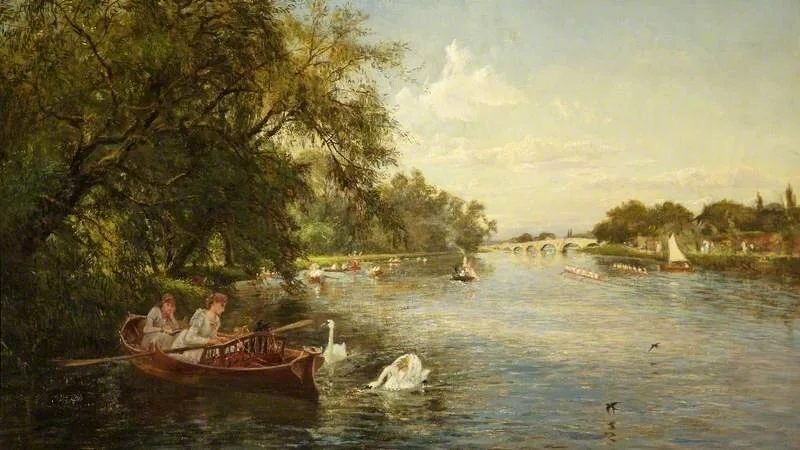
Charles James Lewis, On the Thames

A common soldier inherits a fortune from a miserly uncle.


Here is yet another novel by the great Braddon (see Novels 004, 061, 115).

“Miss Braddon . . . tells her story with a brisk straightforwardness, and the working is compact and consistent.  And it is no small or common talent to be able to construct an interesting tale, and then to tell it in good language, without affectation or egotism. Several of the characters are very well sketched, but in the beautiful heroine Miss Braddon has done more than draw a mere colourless outline.  A good-humoured, simple-hearted, and spoiled young lady is easily drawn, but to change her gradually, and without melodramatic violence of nonsense, into something very different, requires more than mere smartness and ordinary skill”; her growth is “described with great ingenuity and force.”  Saturday Review, May 27, 1865

“Only a Clod . . . is a fresh proof of the vigour and fertility of the mind which produced . . . ‘Aurora Floyd’ . . . and ‘The Doctor's Wife’. . . .  As a whole . . . the book will be eagerly read as a powerfully written and admirably constructed story.” Manchester Guardian, June 13, 1865

Download this week’s novel:
http://solo.bodleian.ox.ac.uk/permalink/f/89vilt/oxfaleph014579096

(Right-click (or control-click, if you have a Mac) on the three “view digitized copy” links to download the novel’s three volumes in pdf form)

Crossword 169: Triple Play

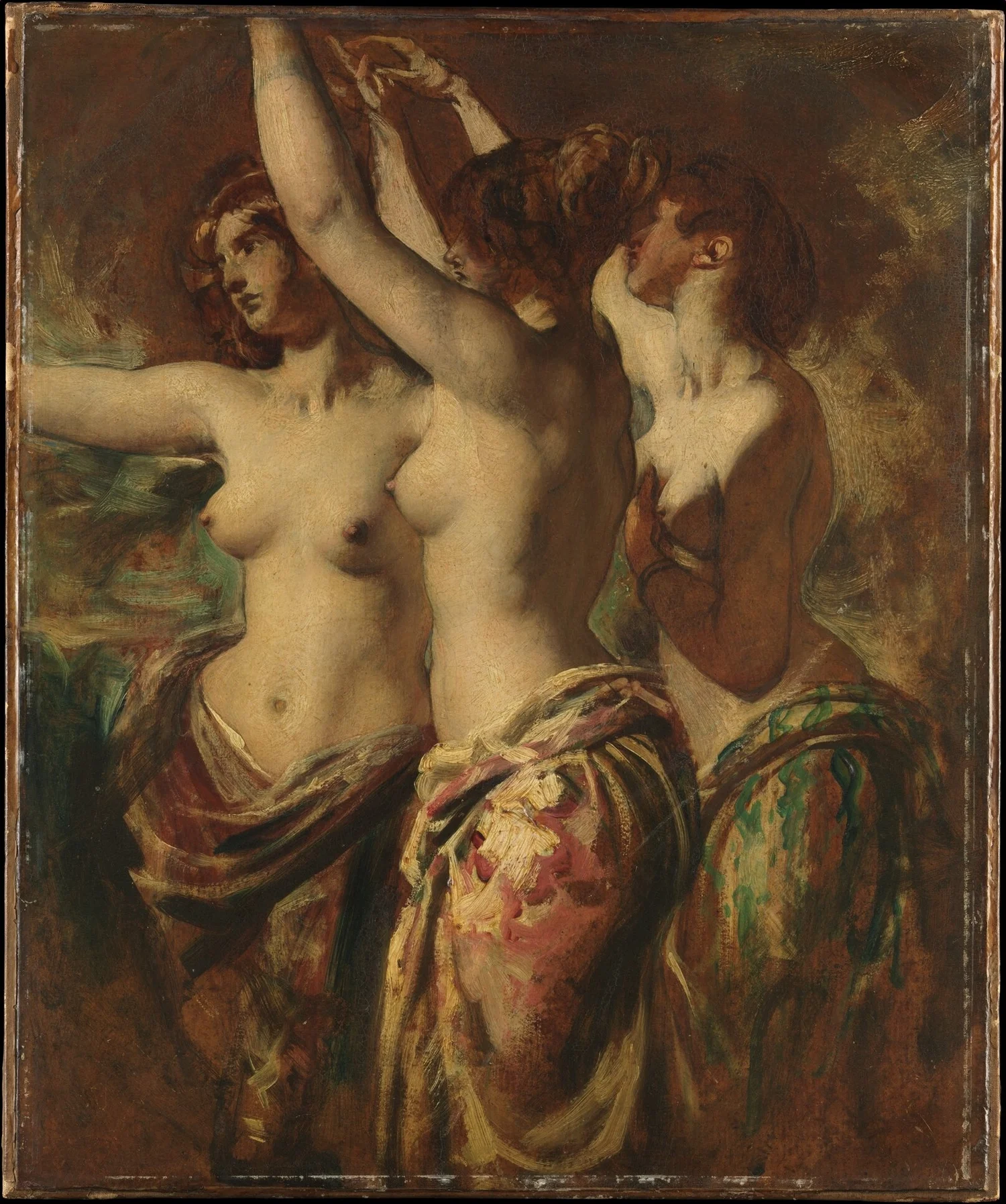
William Etty, The Three Graces

Today’s crossword sets records for this site, in number of entries (80), number of 3-letter entries (39), and number of black squares (54) for a 15 x 15 puzzle.  Maybe you’ll agree that the dazzlingly unusual theme is worth it all.  Maybe you won’t.  In either case, it’s too late to do anything about it now.


Download this week’s crossword:

169-Triple-Play.puz

169-Triple-Play.pdf

Solve this week’s crossword online:

169 Triple Play

Novel 169: Arthur Locker, Sweet Seventeen (1866)

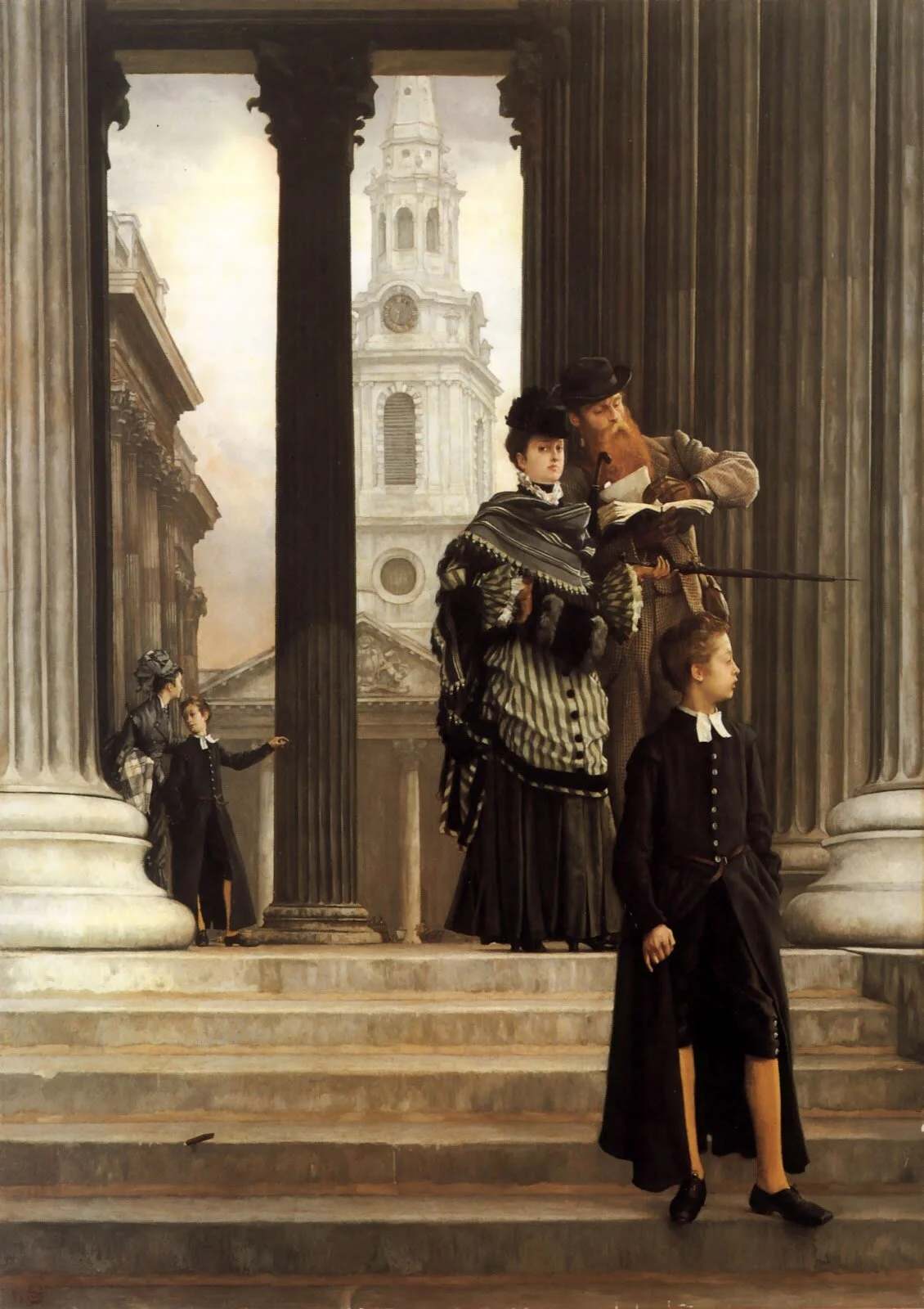
James Jacques Joseph Tissot, Visitors to London

An orphan girl, adopted by a London doctor, has rival lovers.


Arthur Locker (1828-1893), a journalist and editor, published five novels between 1863 and 1874.  This one begins in Australia, where the author spent some years, but is mostly set in middle-class London.

“Those writers of prose fiction who season their pages with mysterious crime and repulsive vice, should study the modes by which Mr. Locker captivates the imagination of his readers with scenes alike humorous and innocent.  Instead of making them endure his characters by rousing a morbid curiosity as to the sequel and result of a startling commencement, he leads them to enjoy his story by inspiring them with personal interest in its characters.  From first to last the book is fresh with nature and unconstrained pleasantry.  The actors are neither tame nor commonplace; the incidents bear no resemblance to the conventional arrangement of story-tellers; and yet the drama impresses us with a sense of its fidelity to human nature and society in such a manner that we seem to encounter old friends and familiar faces in every scene. . . .  The world described is that of the middle and lower grades of our great middle-class—the world of professional men and merchants, clerks, and petty tradesmen; and with never-flagging humour does Mr. Locker set forth the ways and tempers of the various persons who are made to illustrate this comparatively humble life.”  Athenaeum, November 10, 1866

“The author . . . has produced one of the most agreeable, if not one of the most instructive, tales of fiction of the season.  It is graceful and unpretending.  It discloses no profound philosophy, displays no erudition, professes no high moral aim, but amuses and delights by the natural exhibition of character under varied circumstances and unexampled situations. . . .  Mr. Locker weaves his love story with gentle tissues.  There are no wild flights of passion, no desperate deeds of vengeance, nor suicides; all is natural, fluent of feeling that is subdued and rational, and issuing in results probable, pleasing, and in harmony with the means employed.  One of the charms of Mr. Locker’s novel is its realism, with sufficient sentiment and fancy to link the real with the ideal.”  Morning Post, December 11, 1866

Download this week’s novel:
v.1 http://access.bl.uk/item/viewer/ark:/81055/vdc_0000000458D0#?c=0&m=0&s=0&cv=4&xywh=-116%2C0%2C2833%2C2094

v.2 http://access.bl.uk/item/viewer/ark:/81055/vdc_0000000458D6#?c=0&m=0&s=0&cv=4&xywh=-119%2C0%2C2848%2C2104

v.3 http://access.bl.uk/item/viewer/ark:/81055/vdc_0000000462BA#?c=0&m=0&s=0&cv=4&xywh=-111%2C0%2C2842%2C2101

Crossword 168: MP5

Margaret Sarah Carpenter, Mrs John Marshall, MP

You’ve heard of MP3, a format for compressing recorded music files to a convenient size, and MP4, a format for compressing movies to a convenient size.  Now here’s MP5!  It isn’t a format, and it doesn’t compress anything to a convenient size.  It’s just a crossword puzzle.  Nevertheless,  in its quiet, unassuming way, it  makes its own tiny contribution to the sum of human achievement.


Download this week’s crossword:

168-MP5.puz

168-MP5.pdf

Solve this week’s crossword online:

168-MP5

Novel 168: Mrs. Alexander, Which Shall it Be? (1866)

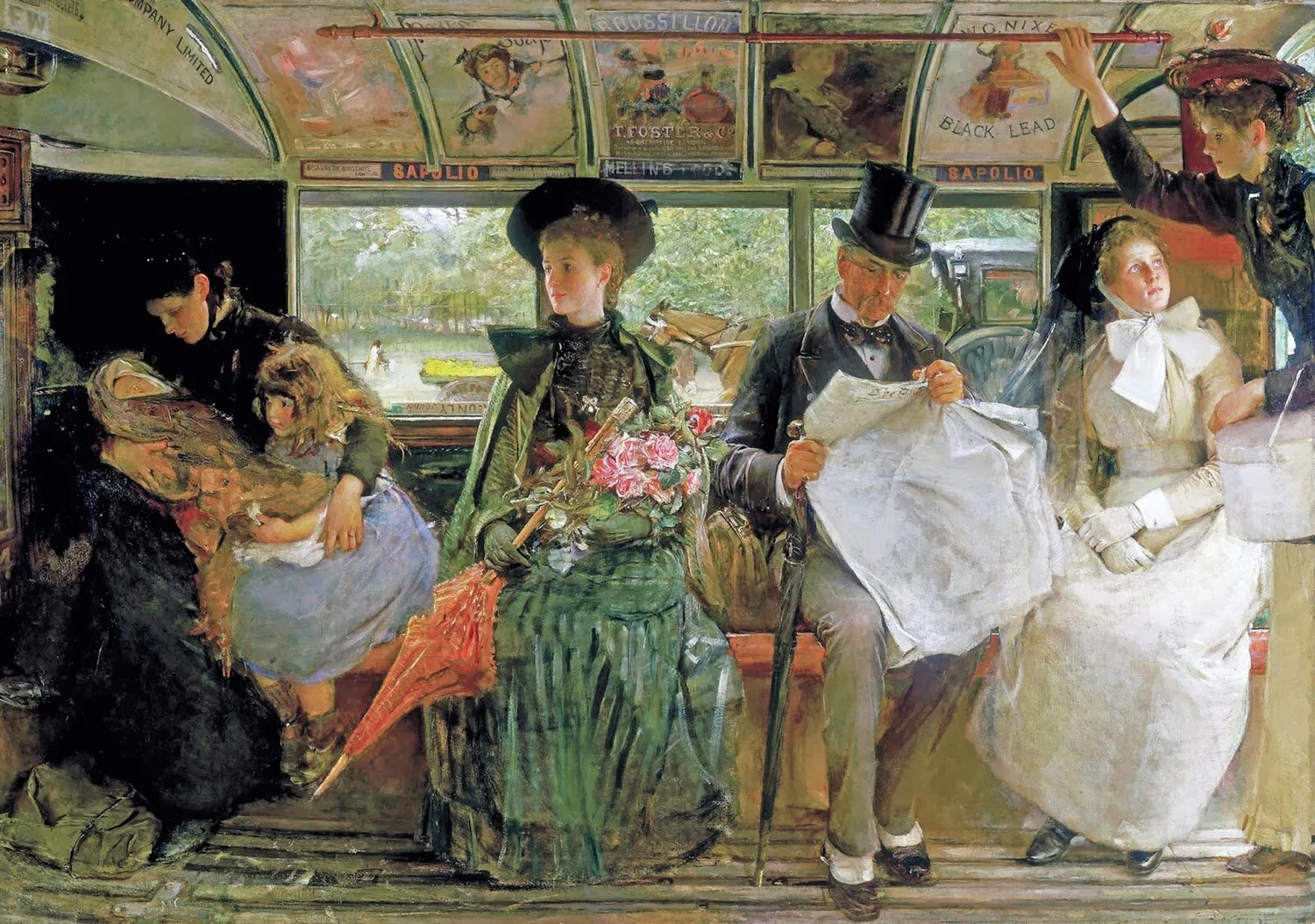
George William Joy, The Baywater Omnibus

An orphaned virtuous young lady seeks to make her way despite her relatives’ selfish unhelpfulness.


Here is another novel by “Mrs. Alexander” (see Novels001, 063, 113) with her usual vivid characters, dramatic situations, and gratifying if impossible plot.

“No one can read this book without being struck by the more than ordinary ability that it displays. . . .  It is . . . written with a fluency, an ease, a knowledge of literary manipulation, and a ripeness of worldly wisdom that would seem to indicate the practiced hand of a mature writer. . . .   There are many observations scattered about, too, which show that the author has had unusually rich opportunities for studying life in various phases.  There is a knowledge of the bitter ways and clever makeshifts of poverty, as well as of the parade and hollow friendships springing up like mushrooms in a night round unexpected wealth . . .; while many of the characters are careful life-studies. . . .  It deals with difficult questions with the quiet boldness of a Voltairean of the nineteenth century. . . .  The character of Madeline throughout is of great psychological power.”  Saturday Review, September 22, 1866

“A novel of much interest and power. . . .  The work is remarkable for the fidelity of its pictures of domestic life, both English and French, which convey to the reader an irresistible impression of probability and reality, and of being presented by an eyewitness. . . .  The story is full of incident and well-drawn character.  ‘Which Shall It Be?’ is a novel of great literary and constructive merit, and evinces penetrating observation of character as well as lively descriptive power.  As a story it excites vivid interest from the beginning, and sustains it to the end.”  Examiner, October 12, 1866

Download this week’s novel:
http://solo.bodleian.ox.ac.uk/permalink/f/89vilt/oxfaleph014211328

(Right-click (or control-click, if you have a Mac) on the three “view digitized copy” links to download the novel’s three volumes in pdf form)

Novel 167: Elliott Graeme, A Novel with Two Heroes (1872)

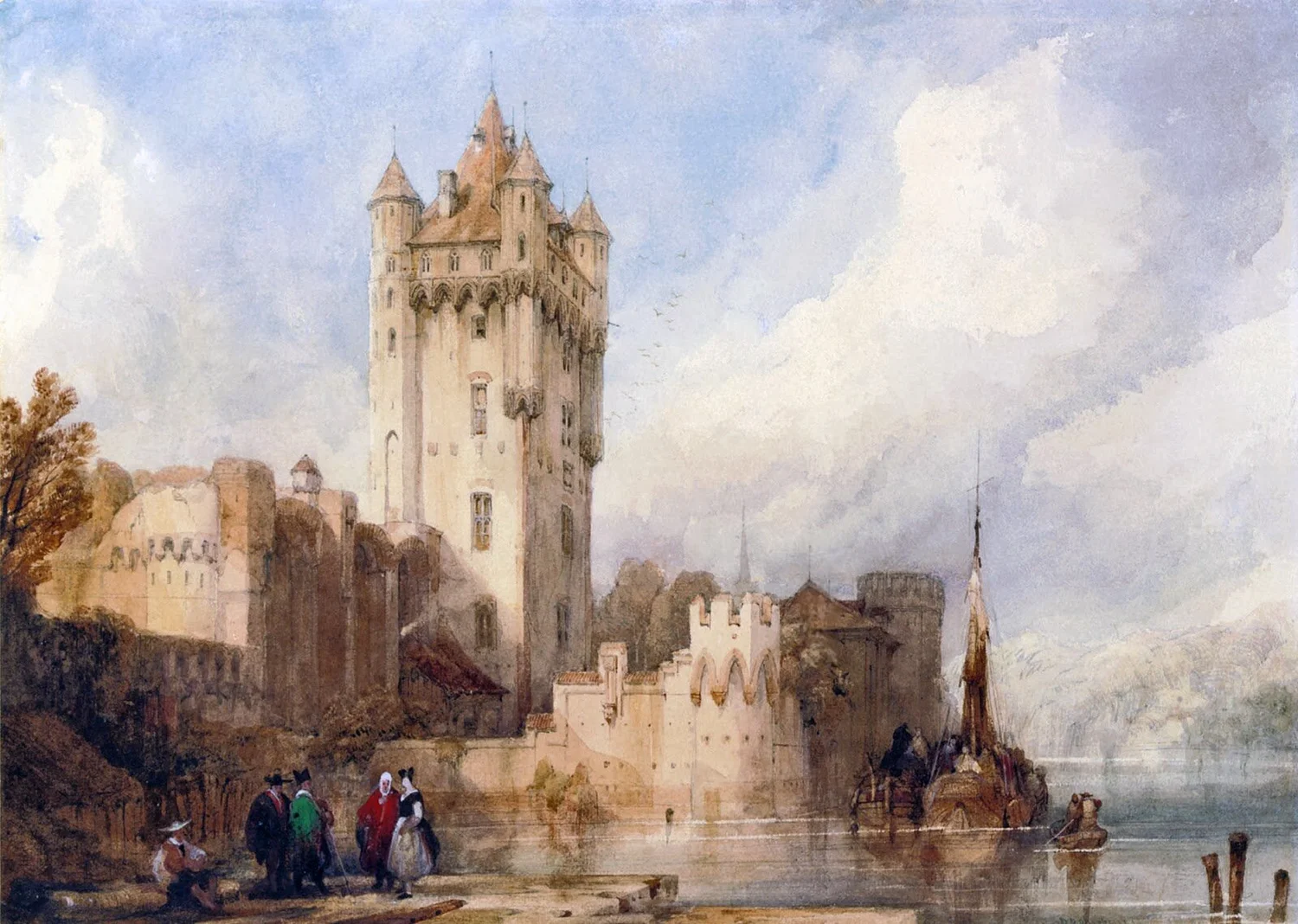
David Roberts, Kurfürstliche Burg, Eltville, on the Rhine, Germany

A young German music student befriends an English student at a German university.


About Elliott Graeme, nothing appears to be known except that, in addition to this one novel, he (or she: contemporary critics use both pronouns) also wrote a biography of Beethoven.  The oddly rambling plot here suggests unfamiliarity with, or indifference to, contemporary novelistic convention, but the characters and settings are well realized.

“A decided literary success.  The story is written in a lively and agreeable style.”  Athenaeum, March 16, 1872

“We doubt not many of our readers will lay aside the book with regret; for the pourtrayal of character and detail of German home-life is sufficiently vivid to make us think we are parting with old friends.  The language used is felicitous, and the author is by no means deficient in humour.”  Musical Standard, June 1, 1872

“Above the average even of good novels.  It is clever and amusing, free from sensationalism, though full of interest, and of interest which touches many of the deeper chords of life.”  Spectator, June 15, 1872

Download this week’s novel:
v.1 http://access.bl.uk/item/viewer/ark:/81055/vdc_00000004CED8#?c=0&m=0&s=0&cv=0&xywh=-1098%2C-1%2C3632%2C2342

v.2 http://access.bl.uk/item/viewer/ark:/81055/vdc_00000004CEDE#?c=0&m=0&s=0&cv=0&xywh=-1111%2C0%2C3649%2C2352

Crossword 166: The Latest Reports

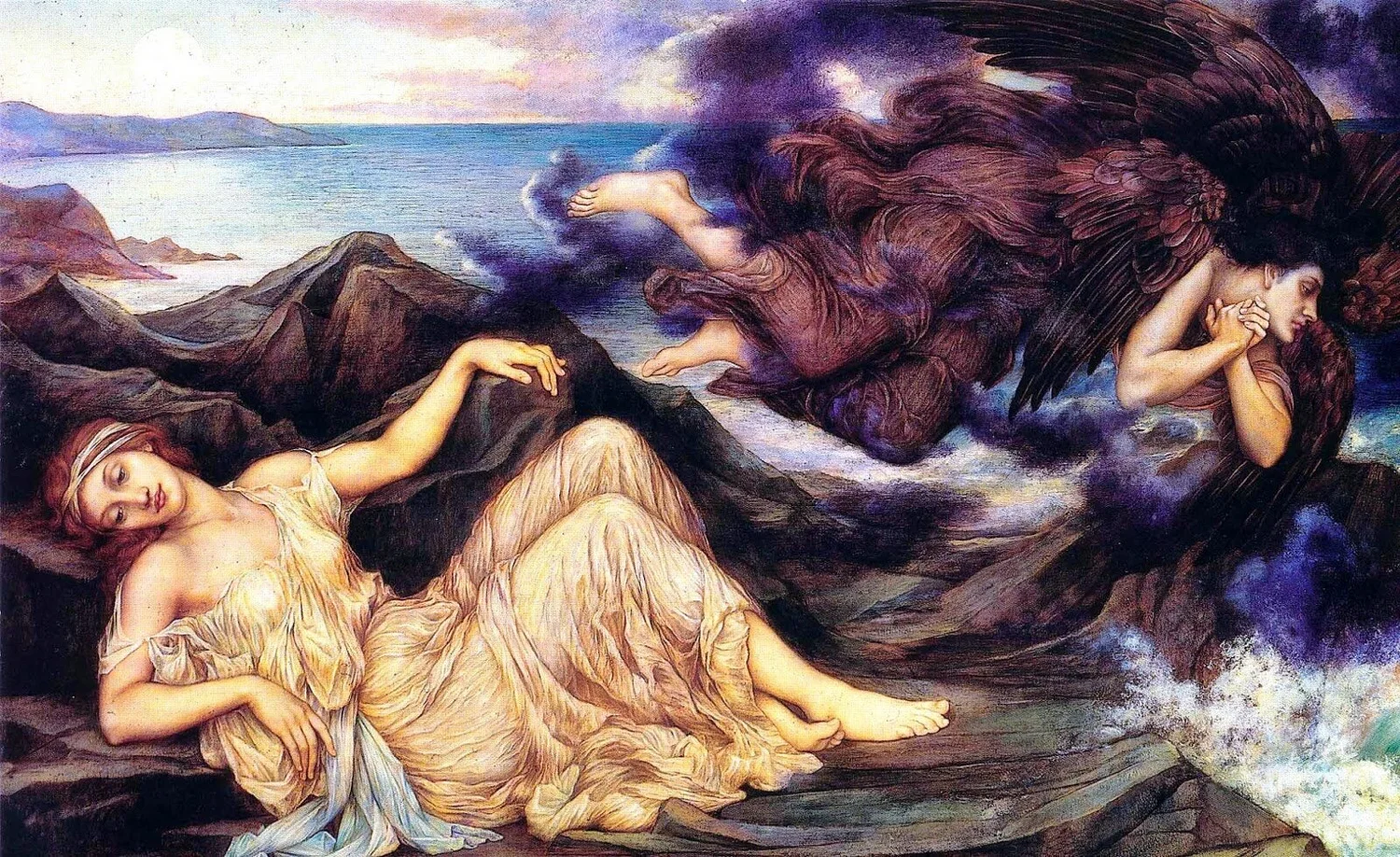
Evelyn de Morgan, Port After Stormy Seas

I encourage you, gentle solver, to admire the painting above and its title while you recall the reports of the past week (especially of Wednesday around noon), and only then, with a calm soul and clear head, to open this week’s puzzle—which, I am pleased to report, has nothing to do with anything.


Download this week’s crossword:

166-The-Latest-Reports.puz

166-The-Latest-Reports.pdf

Solve this week’s crossword online:

166 The Latest Reports


Novel 166: Edward Dutton Cook, Hobson's Choice (1866)

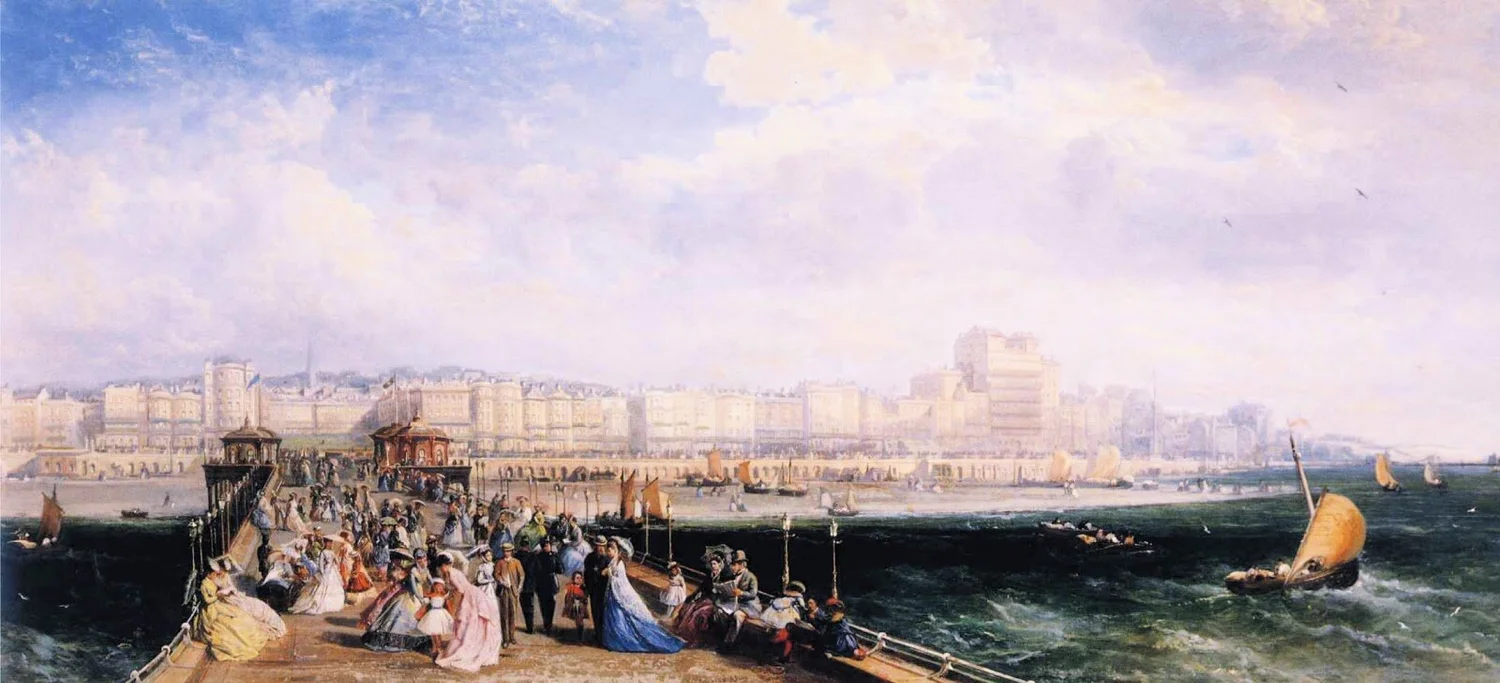
James Webb and Charles Earle, Brighton Pier

A bachelor barrister goes to visit his aunt—and his heiress cousin—at a seaside town.


Here is another lively novel by Cook (see Novels 040, 111), this one relatively brief.

“An afternoon spent on Hobson’s Choice will be spent pleasantly, and produce no small crop of apparently causeless laughs in secret places afterwards, as the better passages return suddenly to the memory.”  Spectator, December 29, 1866

“A single volume of light and sparkling prose, that may be read through in a railway journey.”  Athenaeum, January 26, 1867

Download this week’s novel:

http://access.bl.uk/item/viewer/ark:/81055/vdc_00000003A13A#?c=0&m=0&s=0&cv=0&xywh=-547%2C-127%2C2522%2C2533

Crossword 165: Last in Line

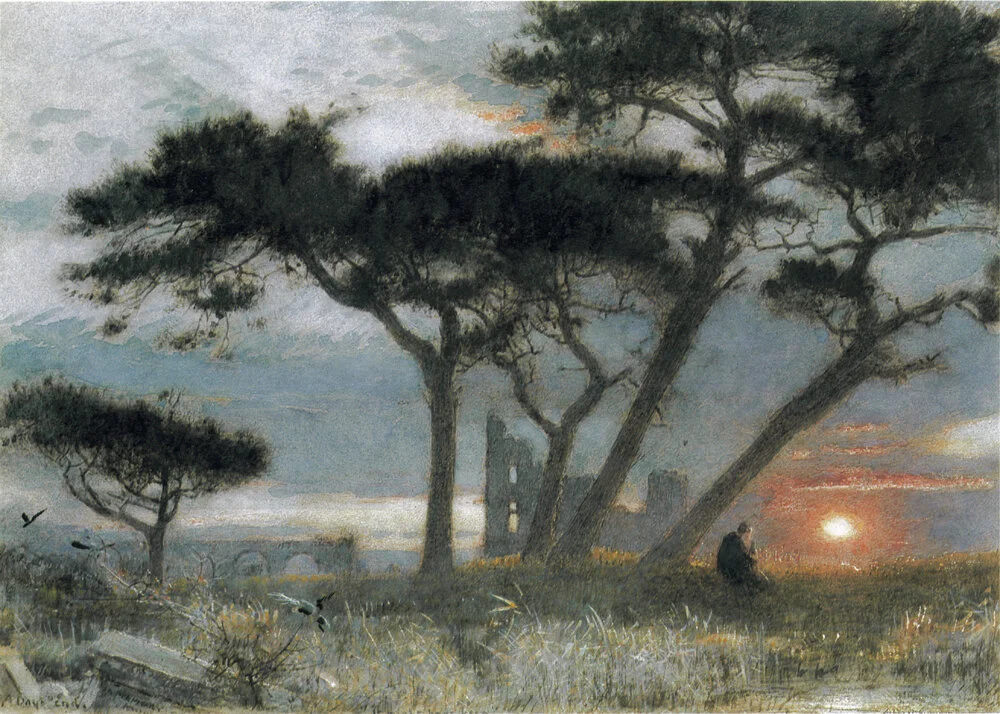
Albert Goodwin, A Day’s End

Can this be the end?  Is this the last puzzle I’ll post to this website?  Have I finally turned in disgust from an ungrateful world, resolved never to cross words again?  Or is this just another punning reference to my theme?  Come back next week and find out!

(NB: The clue to 23 Across, once the weakest, now the strongest, of the puzzle’s theme clues, is in fact the inspiration of Canadian test-solver Kevin Walker.)


Download this week’s crossword:

165 Last-in-Line.puz

165 Last-in-Line.pdf

Solve this week’s crossword online:

165 Last in Line