David Alfred Bywaters's Crossword Cavalcade & Fortnightly Victorian Novel Recommender. Every Saturday! Either a new language-torturing puzzle or an old novel by an unjustly neglected Victorian author. Why waste time on other amusements?

Novel 165: Sir Arthur Hallam Elton, Herbert Chauncey (1860)
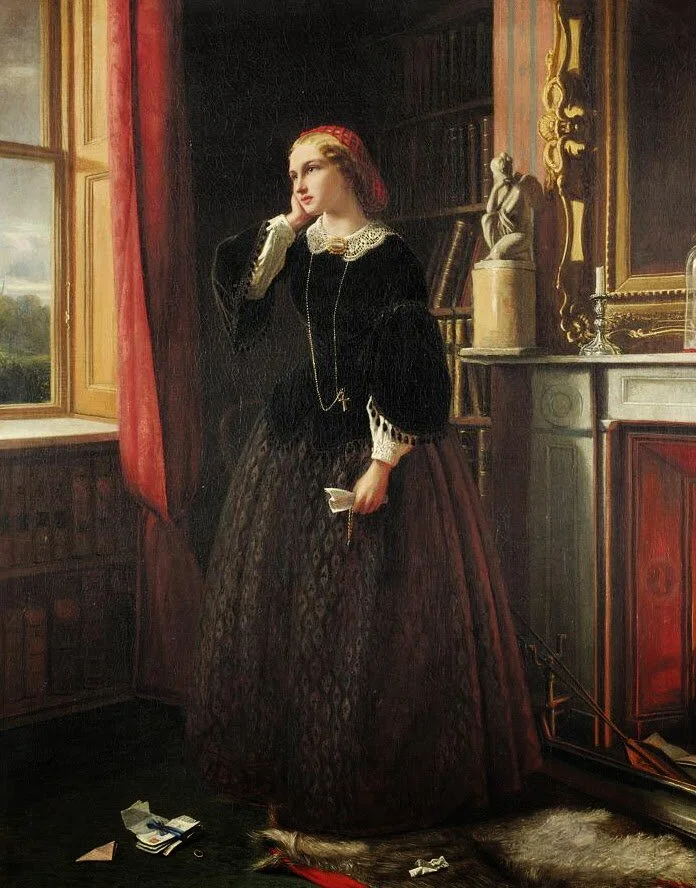
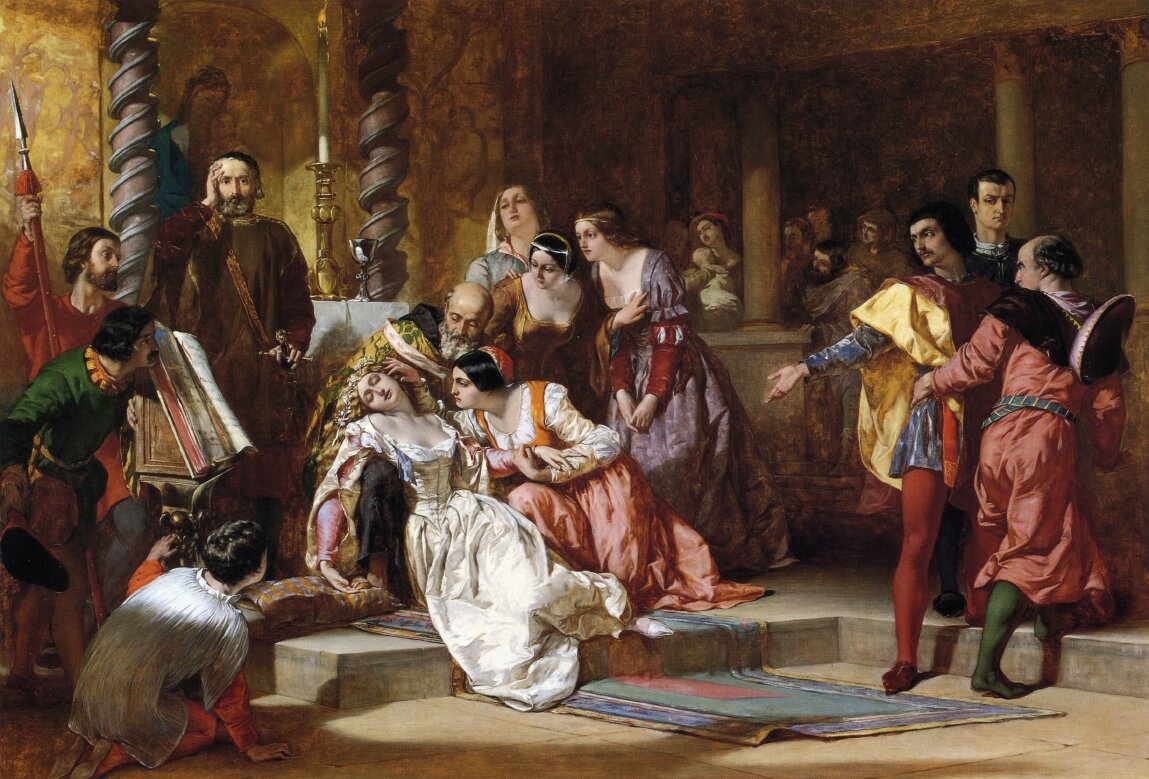
Walter Field, Men were Deceivers Ever

A faithless lover is secretly pursued by a vindictive father.


Sir Arthur Hallam Elton (1818-1883), a baronet and member of Parliament, wrote only two novels, of which this is the second. The characters are interesting, the style good, and the plot involving, though it ends with odd abruptness, seeming to hint at a sequel that never came.

“We congratulate Sir Arthur Elton and the public” on his “brilliant success. . . .  Among the distinguishing merits of the novel . . . are the freshness and artistic construction of the story.  It is full of variety, yet its unity is perfectly preserved, unbroken by a single episode.  Its interest increases in intensity with an even progression from the first chapter to the last.”  Spectator, August 4, 1860

“There is a largeness and simplicity in the conception of the plot, which is worked out with facile dialogue and in a narrative that never flags.  There are no tedious descriptions, no second-hand moralities, all is action and passion well presented.”  Examiner, October 13, 1860

Download this week’s novel:

v.1 https://archive.org/details/herbertchaunceym01elto
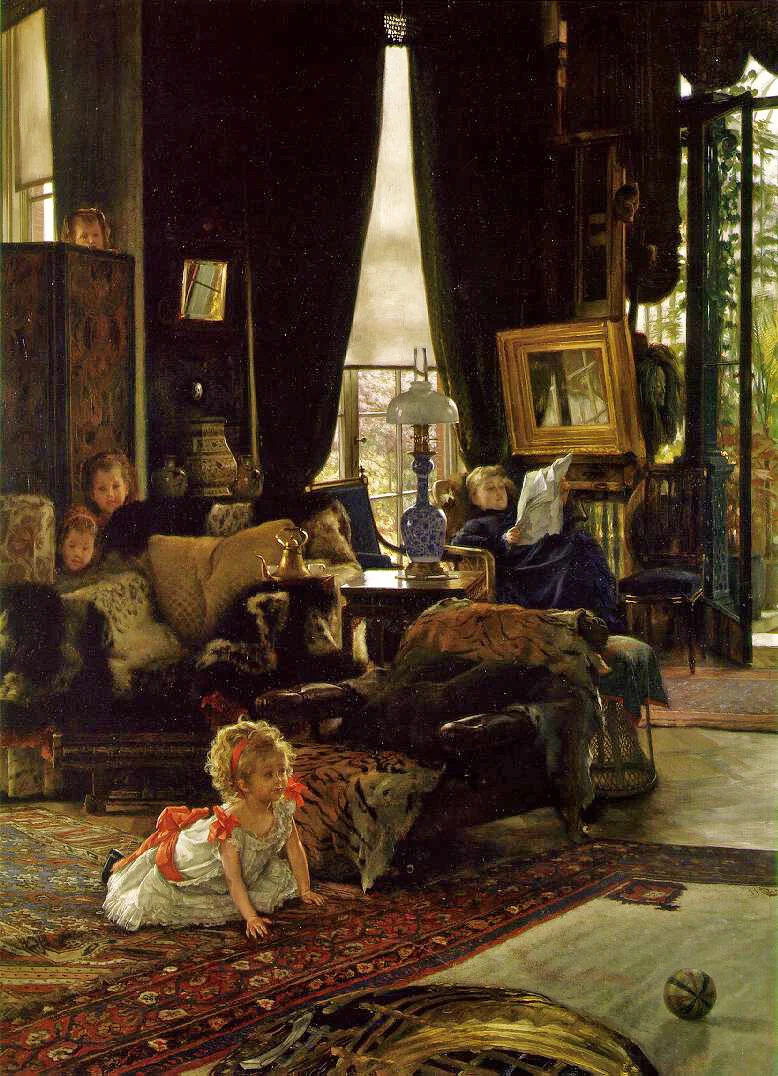
v.2 https://archive.org/details/herbertchaunceym02elton

v.3https://archive.org/details/herbertchaunceym03elton

Novel 164: Amelia Perrier, A Good Match (1872)

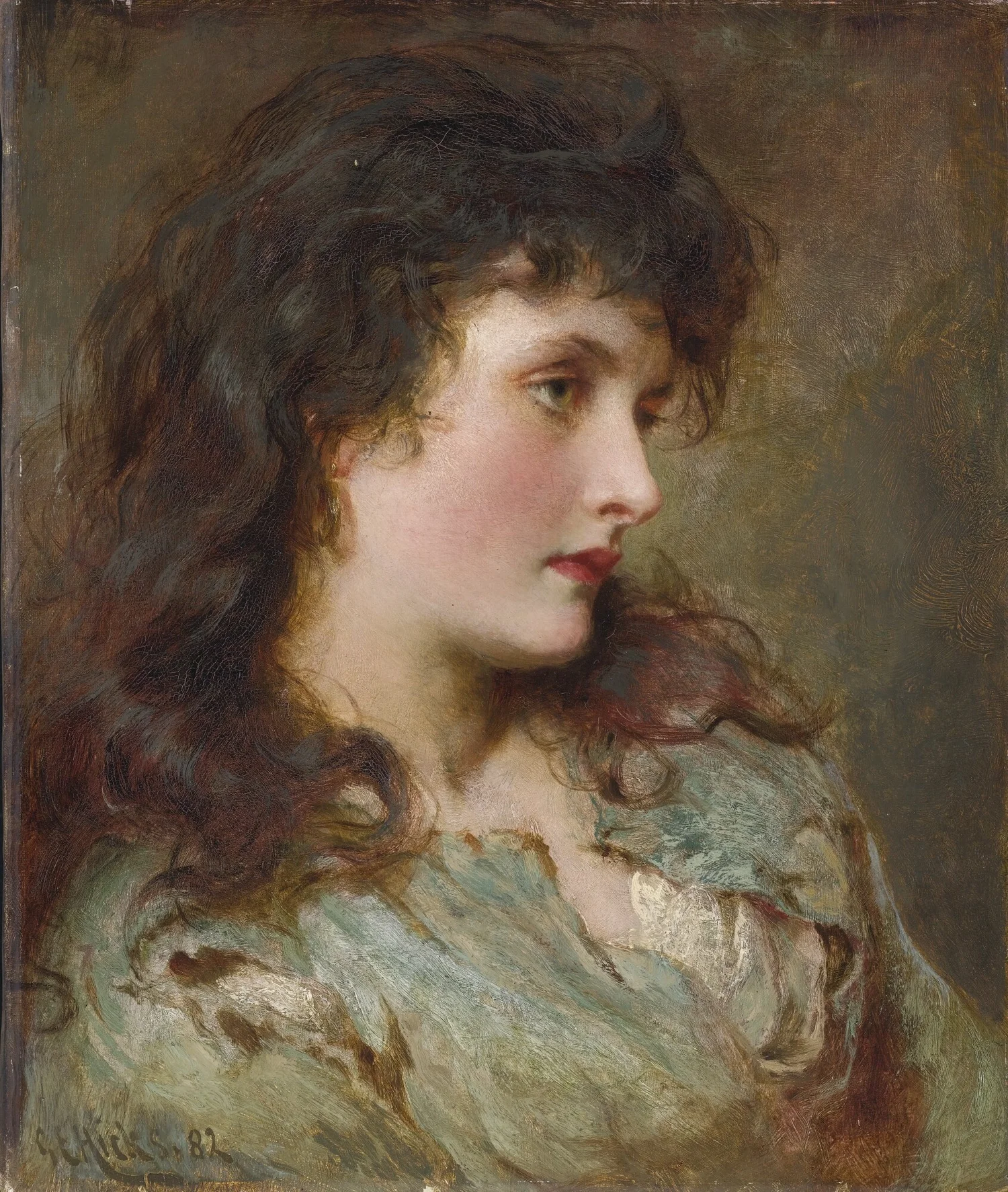
George Elgar Hicks, Maud

A spirited young lady resists her cruel baronet uncle’s plan to marry her to a wealthy pork-dealer.


Amelia Perrier (1841-1875) wrote two novels during her sadly brief career, of which this sprightly social comedy, featuring a refreshingly assertive heroine, is the second.

“‘A Good Match’ is very brisk and vivacious, and sparkles with arch humour.  Its heroine . . . tells her own story with a keen sense of fun in its recital. . . .  The charm of the story is its freshness, vigour, and dash. . . . The two volumes bristle with little keen, sharp sayings.  But beyond the charm of manner there is a deeper and truer charm . . . which is the thorough unaffected contempt of the writer for all that is base and cruel and mean.”  Examiner, June 22, 1872

“Miss Perrier’s pen is perfectly unlaboured; she writes with ease, and apparently, out of a merry heart, in which the humour is untainted by cynicism; and it is a relief to sit down with two little volumes like these—trifling though the story is—after wearing through novels and tales innumerable, wrought, with much painstaking ability, out of their authors’ profound misconception of their own ability. . . .   It reads like what it pretends to be, the autobiography of a healthy-minded, handsome girl, too courageous to be cowed by the kicks and cuffs of unloving relatives.” Spectator, November 2, 1872

Download this week’s novel:

v.1 http://access.bl.uk/item/viewer/ark:/81055/vdc_00000004D724#?c=0&m=0&s=0&cv=0&xywh=-889%2C-125%2C3203%2C2480

v.2 http://access.bl.uk/item/viewer/ark:/81055/vdc_00000004D72A#?c=0&m=0&s=0&cv=4&xywh=-71%2C-147%2C2766%2C2142

Crossword 163: P-p-puns

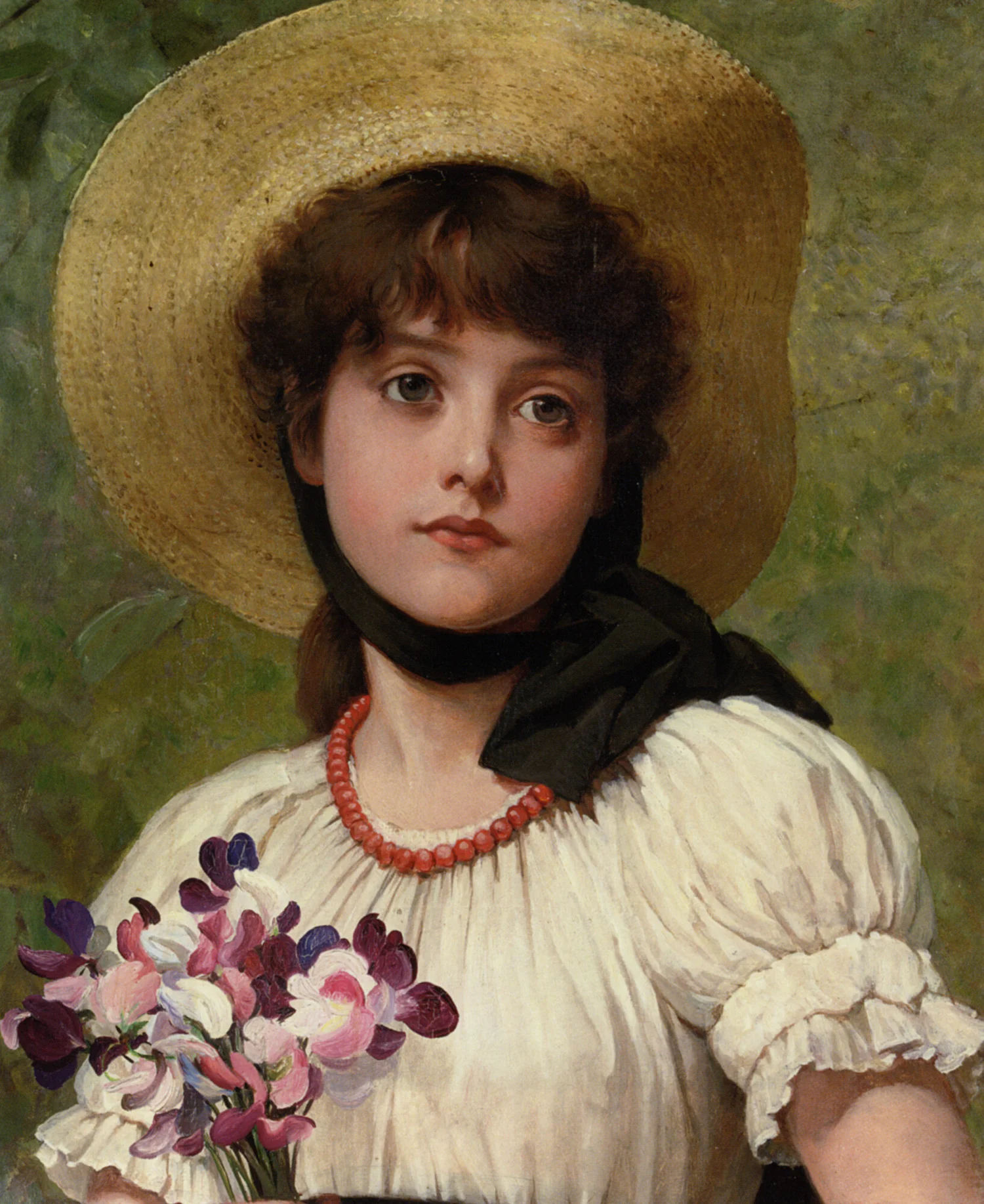
George Dunlop Leslie, Sweet Peas

Now and then, in the major crossword venues, one finds a puzzle in which the theme answers consist of common two-word phrases that start with the same one or two letters.  POISONPILL PINGPONG PARCELPOST POLOPONY—voilà.  That theme took me just sixty seconds to produce.  No doubt a competent programmer with access to a phrase database could make a computer produce sixty such puzzles in sixty seconds.  And they would be just as much fun to solve as they were to make.

Why is such a theme acceptable?  Does anyone know?  I don’t get it.  Anyway, today’s puzzle represents my effort to improve on it.


Download this week’s crossword:

163-P-P-Puns.puz

163-P-P-Puns.pdf

Solve this week’s crossword online:

163 P-P-Puns

Novel 163: Justin McCarthy, Miss Misanthrope (1877)

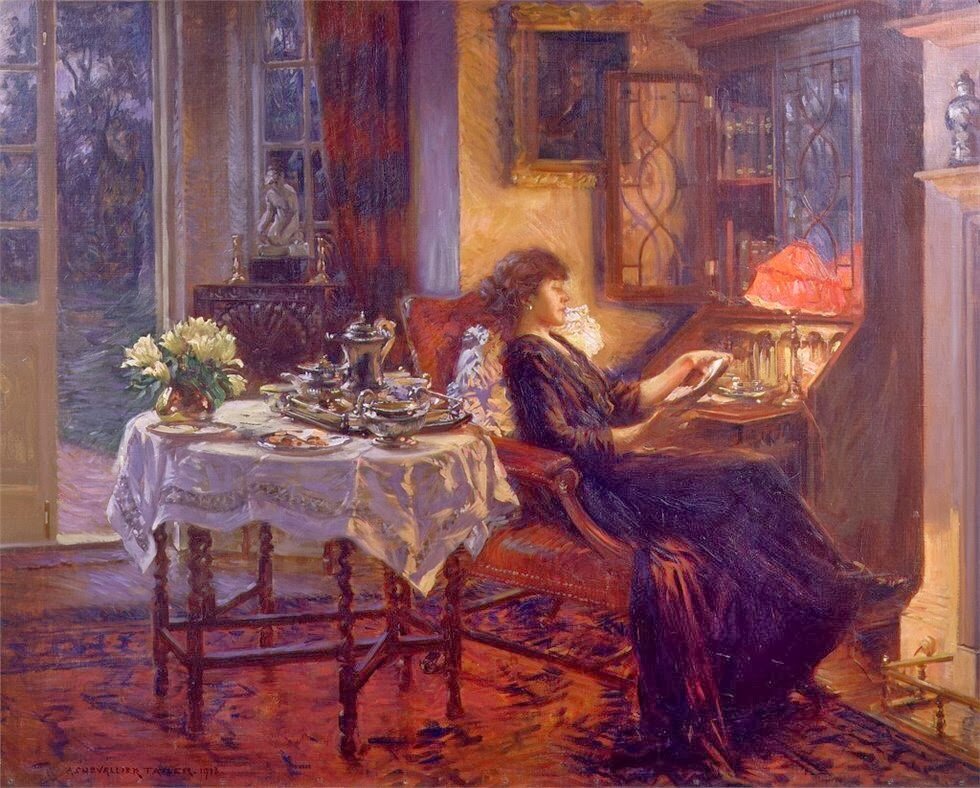
Albert Chevallier Tayler, The Quiet Hour

A virtuous young lady moves to London, determined to live there a life of cultured independence.


Here is another novel by McCarthy (see Novel 059), with a variety of vivid characters and  some amusing incidental satire on poetic modernism.

“These two volumes . . . contain some of the most felicitous studies of character that we have seen for a long while. . . .  We should say that intelligence—free, kindly vision—(with high conscientiousness and much goodness of heart) was Mr. McCarthy’s strong point as a novelist.  He always understands; and he makes his readers understand.  He has, also, plenty of kindly humour. . . .  He has given us a brilliant and thoughtful novel:  which may also be treated, if the reader pleases, as an essay of rare intelligence and fine humour, illustrated by social studies of great fidelity, wholly free from any taint of cynicism or high-flying sentiment.”  Contemporary Review, December 1, 1877

“Miss Misanthrope is indeed, to our thinking, a work which has some very striking merits. . . .  The characters are fresh and consistently kept up. . . .  The author displays a singular talent in dealing with mixed motives, and exhibiting without any tiresome display of analytical power his just observation of the working of ordinary as well as unusual natures. . . .  Those who care for a keen—one might almost say a brilliant—chronicle of the fashions and follies of the times, the satire of which is just enough dashed with tenderness, are certain to read Mr. McCarthy’s novel with pleasure.”  Saturday Review, January 12, 1878

“It is difficult to know where one should begin one’s praise of this brilliant and charming book. . . .  which is at once vigorous in conception, brilliant in execution, pure in sentiment, and faultless in design.”  Examiner, January 26, 1878

Download this week’s novel:

https://archive.org/details/missmisanthrope00mcca

Crossword 162: Editorial Changes

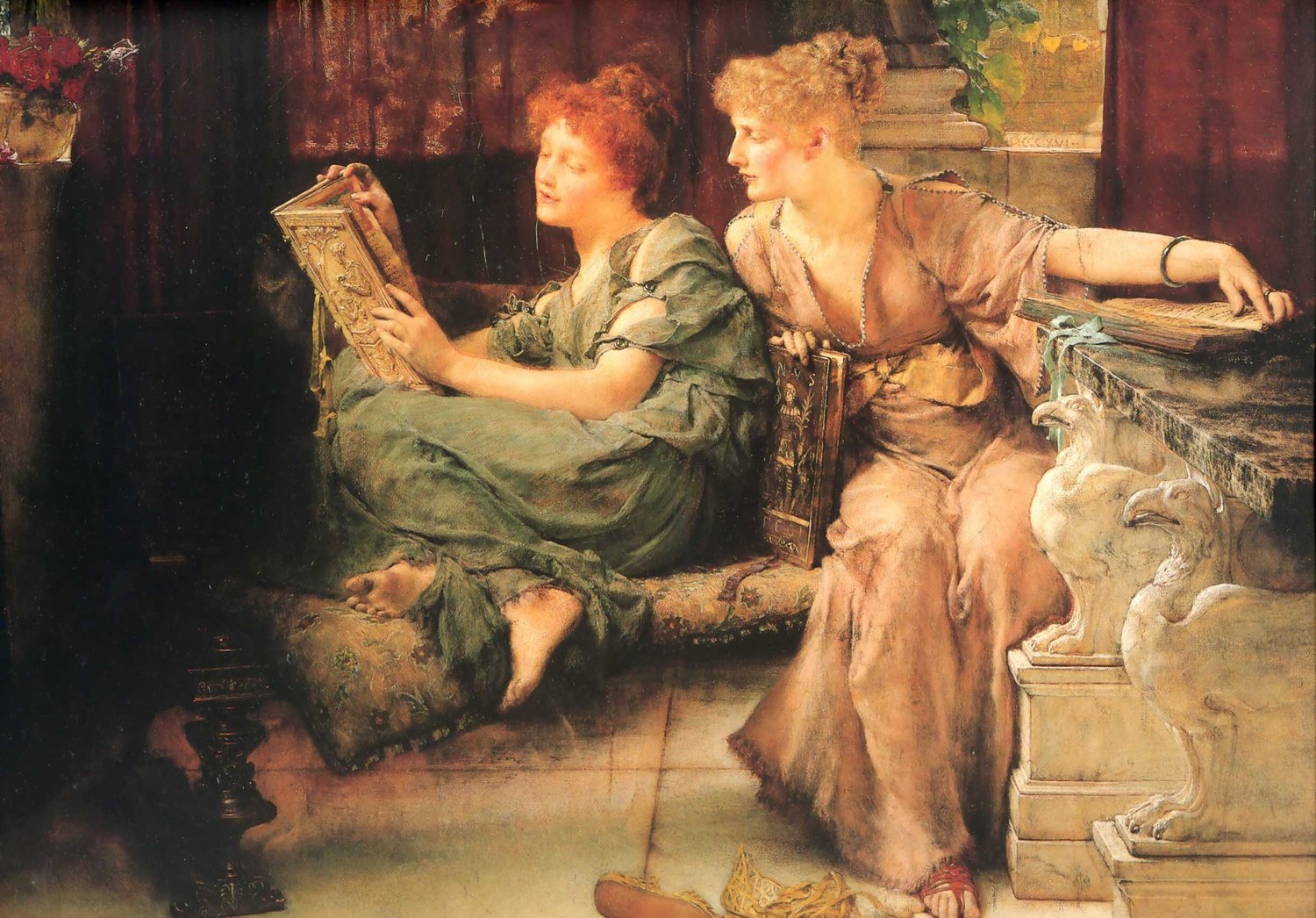
Sir Lawrence Alma-Tadema, Comparisons

Does any artist in any field face such ruthless editorial tinkering as the poor crossword constructor?  You shape and carve and etch and hone and polish your little gem till it shines and sparkles and glistens and glows, and (if you’re lucky enough to have it accepted) it appears in print lopped and maimed and marred and scratched and sullied.  Your reference to a favorite musician has turned into a reference to a TV actor you’ve never heard of.  Two of your answers have been tortured into a cross-referenced phrase.  The wit of a favorite theme clue has evaporated in the unwelcoming atmosphere of somebody’s dubious assumptions.  Now and then, to be sure, you find a real improvement—but that only wounds your authorial vanity all the more.

Well, here’s a puzzle where I made all the editorial changes my own self.


Download this week’s crossword:

162-Editorial-Changes.puz

162-Editorial-Changes.pdf

Solve this week’s crossword online:

162 Editorial Changes

Novel 162: Edward Eggleston, The Faith Doctor (1891)

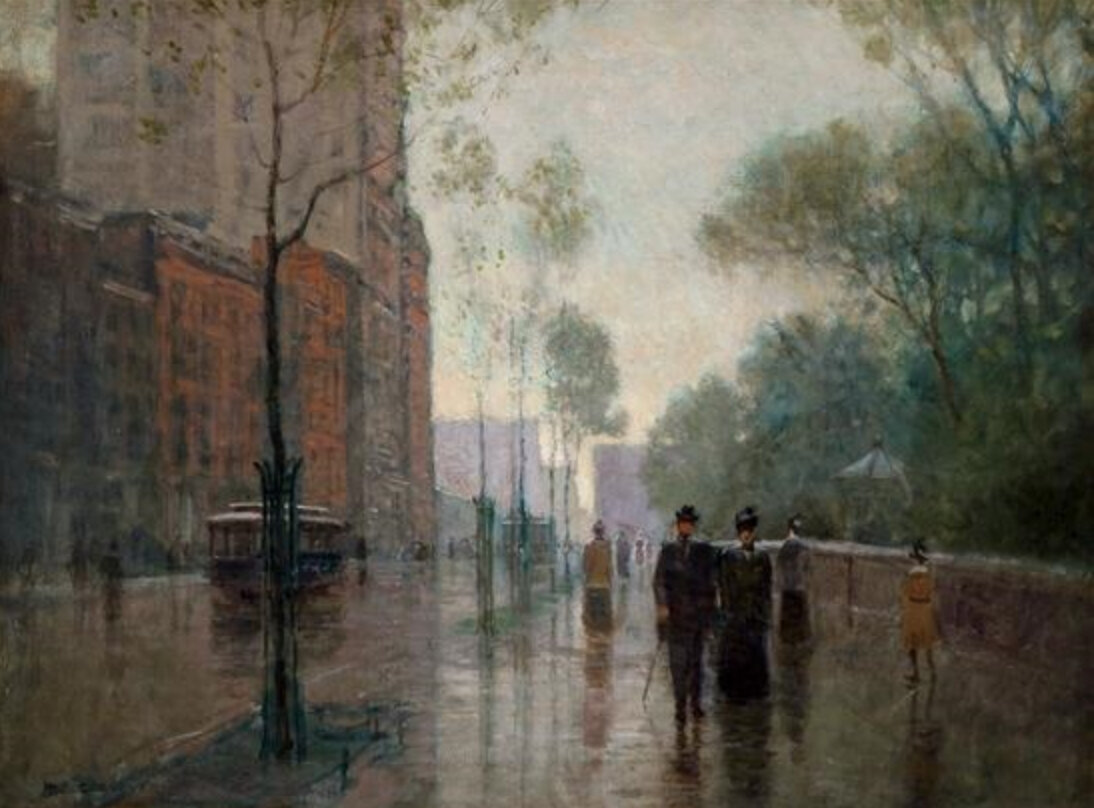
Paul Cornoyer, A Rainy Day in New York

A fashionable young banker falls in love with an earnestly Christian woman.


Edward Eggleston (1837-1902) was a Methodist minister, a magazine editor, and a historian as well as a novelist; he wrote a dozen or so works of fiction in various genres.  This one, in its vivid portrayal of 1880s New York, its nuanced delineation of complex characters, its careful, plausible plot, its apt and witty style, is a sadly forgotten masterpiece.

“As a study of American life . . . The Faith Doctor is a strikingly clever book. . . . One breathes the very air of New York while following the rapid movements of the story; and the impression which it leaves upon the mind is that of having talked with all manner of interesting people, on topics that will keep one thinking.”  Academy, January 9, 1892

“This is a really admirable novel. . . .  There are excellent social sketches, and more than one character drawn with a delicate skill which would do credit to any writer of fiction. . . .  The writing throughout is of very good quality.  The Faith-Doctor isworth reading for its style, its wit, and its humour, and not less . . . for its pathos.” Spectator, March 19, 1892

Download this week’s novel:

https://archive.org/details/faithdoctorstory00egglrich

Crossword 161: Noels

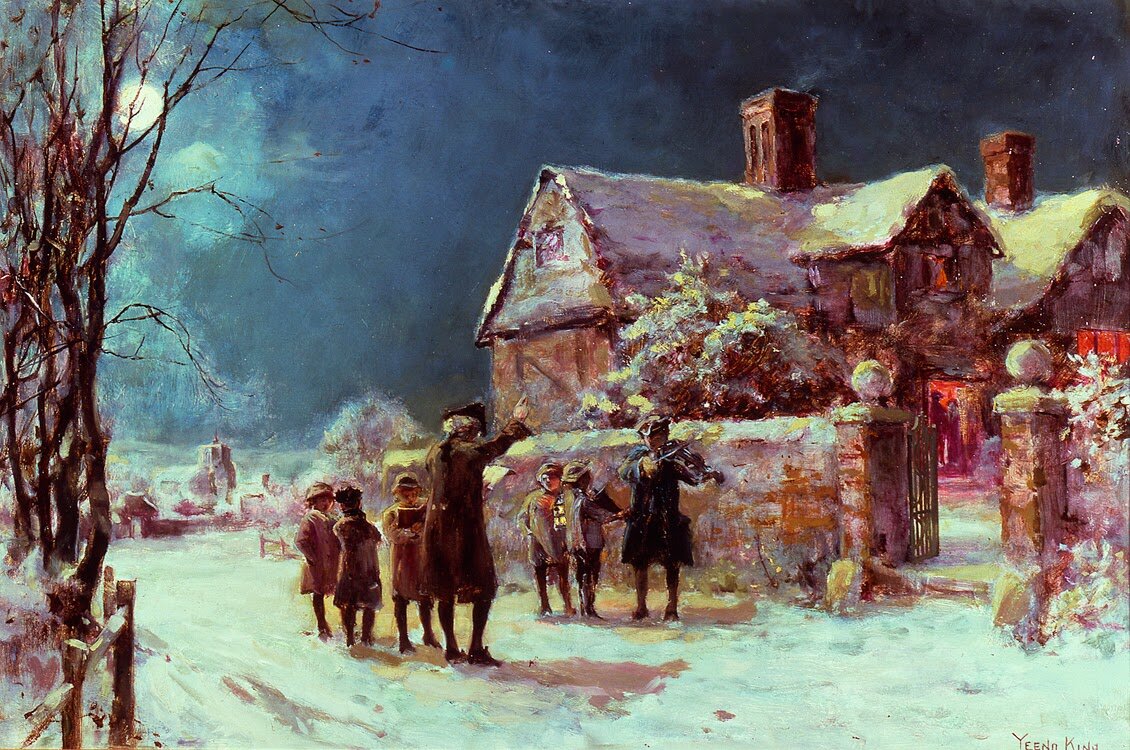
Henry John Yeend King,’Twas the Night Before Christmas

If you think this week’s puzzle involves Christmas carols—and are in consequence either thankful (you actually know what it is that King Wenceslas does after he looks out on the feast of Stephen!) or resentful (you can’t stand the damned things coming around every year!)—you haven’t been paying attention.


Download this week’s crossword:

161-Noels.puz

161-Noels.pdf

Solve this week’s crossword online:

161 Noels

Novel 161: Sir Henry Stewart Cunningham, Late Laurels (1864)

Alfred Elmore, Much Ado About Nothing

A restless, flirtatious young lady makes trouble between her neighbors.


Here is another novel by Cunningham (see Novel 020).  The style is bright and the characterization subtle.  (There is also some political satire, which no doubt had more point in 1864 than it does now.)

“As pleasant a tale as readers not vowed to a predilection for sensation novels could desire.”  Athenaeum, June 4, 1864

“The style is always pure, and often brilliant, and the dialogue displays considerable mastery of . . . light repartee.”  Westminster Review, June 1864

Download this week’s novel:

v.1 http://access.bl.uk/item/viewer/ark:/81055/vdc_000000043C2C#?c=0&m=0&s=0&cv=0&xywh=-883%2C-126%2C3234%2C2504

v.2 http://access.bl.uk/item/viewer/ark:/81055/vdc_000000043C32#?c=0&m=0&s=0&cv=0&xywh=-847%2C-123%2C3174%2C2457

Crossword 160: OLÉ

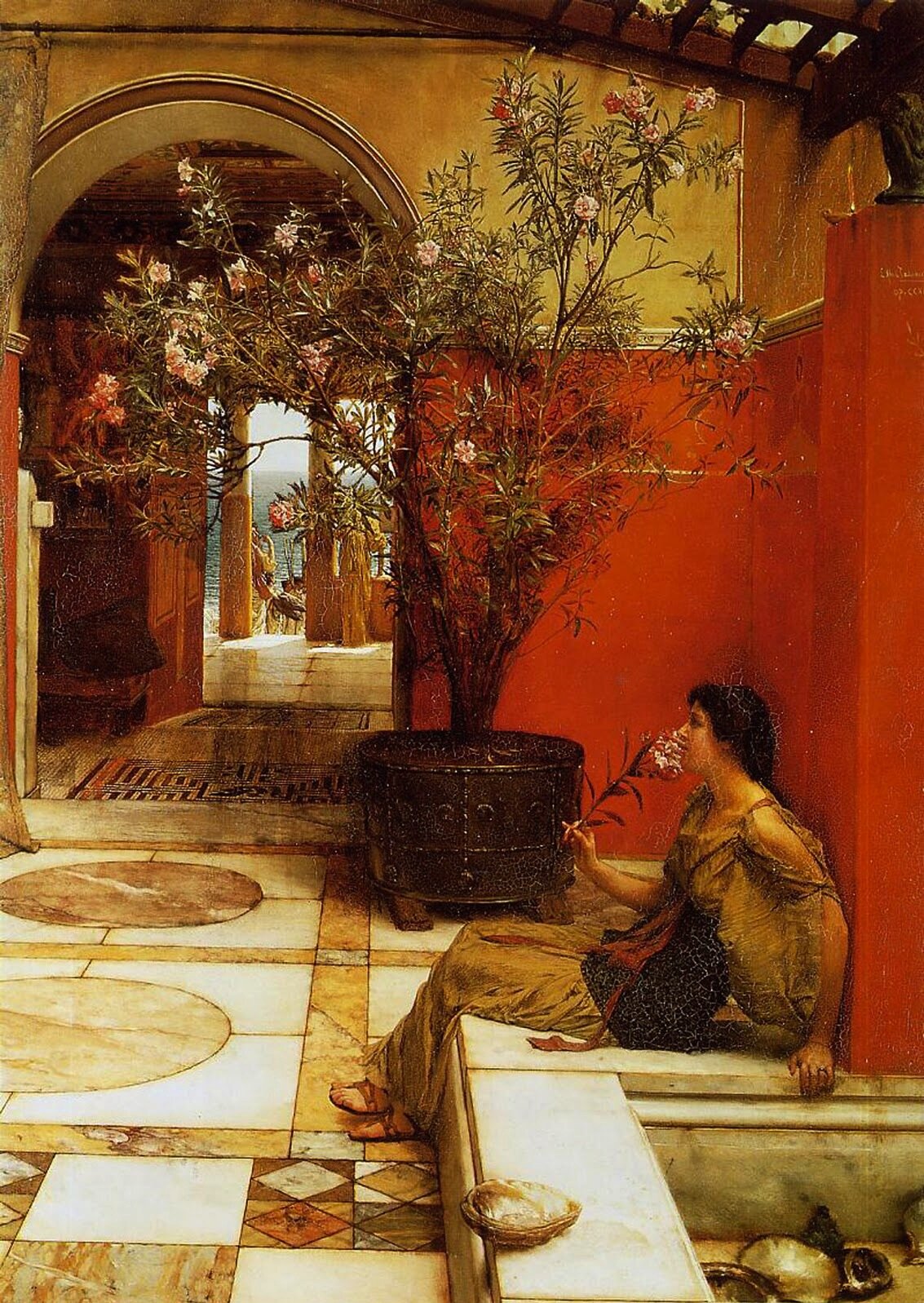
Sir Lawrence Alma-Tadema, An Oleander

Have no fear:  this puzzle has nothing to do with bullfighting, or soccer, or anything that requires you to watch people kill animals or run around on a rectangular surface.  I put an accent over the "e" just for the look of the thing.


Download this week’s crossword:

160-Olé.puz

160-Olé.pdf

Solve this week’s crossword online:

160 Olé

Novel 160: Mrs. Henry Wood, Roland Yorke (1869)

Richard Dadd, Portrait of a Young Man

A man is murdered; several characters are suspected in turn.


Here is the sequel to last week’s novel, The Channings, featuring (in addition to a few members of its exemplary title family)  its scapegrace anti-hero, back from Africa and plunged in the midst of a murder mystery.  It includes also a virtuous novelist killed by a bad review in a journal called The Snarler.

“A murder is started, pursued, worried, treated in fact like a hunted criminal.  Anxious to find its proper home, it seeks refuge, first under a flimsy disguise of suicide, then in the arms of this or that innocent person.  The most unlikely persons are pitched upon inevitably by the reader, and the real author of the disaster is untouched by suspicion up to the very last moment.  We must, in fairness, give Mrs. Wood credit for much care and ingenuity in keeping us in the dark so long. . . .  There is something of original conception in the character of Roland Yorke.”  Athenaeum, October 16, 1869

“It says a good deal for Mrs. Wood’s powers of narration that her story should show so smoothly as it does, interwoven as it is with a tissue of extravagances  and incongruities.” Saturday Review, March 5, 1870

Download this week’s novel:

https://archive.org/details/rolandyorkeseque00wood

Crossword 159: Not According to Hoyle

John Pettie, The Gambler's Victim

All the clues for this puzzle’s theme bear a sort of sideways relationship to their answers; three of the five themed clue-answer sets appear to make no mention of the theme they jointly imply.  Puns are piled upon, or wedged within, puns. When I made the puzzle I thought this was enormously clever; now I’m half-convinced it’s just annoyingly obscure.

Well, either way, the cost to you is the same.  And even if you don’t like the theme, the fill is full of fun things like animals (I count ten of them, including a fish, three birds, two insects, an amphibian, and three mammals), and foreign pronouns (only two—maybe more next time!).


Download this week’s crossword:

159-Not-According-to-Hoyle.puz

159-Not-According-to-Hoyle.pdf

Solve this week’s crossword online:

159 Not According to Hoyle

Novel 159: Mrs. Henry Wood, The Channings (1862)

John Partridge, The Clough-Taylor Family

An exemplary family struggles against misfortune in a cathedral town.


Here is another novel by Mrs. Wood, with many of the same qualities, good and bad, as East Lynne (see Novel 077).  Among its minor characters is a mischievous choirboy named Bywater.

“It can never be read without profit both by parents and children. . . .  The merit . . . lies in the detail, and the extreme truthfulness and simplicity in which it is related. . . .  It is impossible not to read every word with interest; and we feel that we know every character intimately, and feel real regret at parting with them.”  Athenaeum, April 26, 1862

“It is pleasing, and readable, and well-contrived. . . .  Very few of the purveyors of fiction could write as good a book.”  Saturday Review, May 10, 1862

Download this week’s novel:

v.1 https://archive.org/details/channings01wood

v.2 https://archive.org/details/channings02wood

v.3 https://archive.org/details/channings03wood

Crossword 158: Can You Reframe the Question?

Sir Lawrence Alma-Tadema, Ask Me No More

So many of those other crossword constructors think they have all the answers!  I, in contrast, retain the questioning mind of a curious child, open to experience, hungering insatiably for new knowledge.  Someday I mean to make a puzzle filled only with open-ended answers, prompted by welcoming, non-restrictive clues like “Stuff” and “Thing.”  Meanwhile here’s another one for which I do have all the answers—78 of them.


Download this week’s crossword:

158 Can-You-Reframe-the-Question?.puz

158 Can-You-Reframe-the-Question?.pdf

Solve this week’s crossword online:

158 Can You Reframe the Question?

Novel 158: Annie Edwardes, Ought We To Visit Her? (1871)

John William Godward, Ionian Dancing Girl

An Englishman, newly inheriting the family estate, returns after many years on the Continent with his ballet dancer wife.


Annie Edwardes (1830?-1896) wrote some 21 novels, many featuring heroines who, like the one here, defy Victorian social convention.

“Mrs. Edwardes understands and describes man very well indeed; and woman and her nature she understands something more than very well.”  Pall Mall Gazette, November 21, 1871

“This is the brightest book we have read for some time. . . .  With little plot and less descriptive writing, it is full of sparkle, and point, and sub-acid humour, and sketches of character.”  Spectator, November 25, 1871

Download this week’s novel:

https://archive.org/details/oughtwetovisith03edwagoog

Crossword 157: Not Going Anywhere

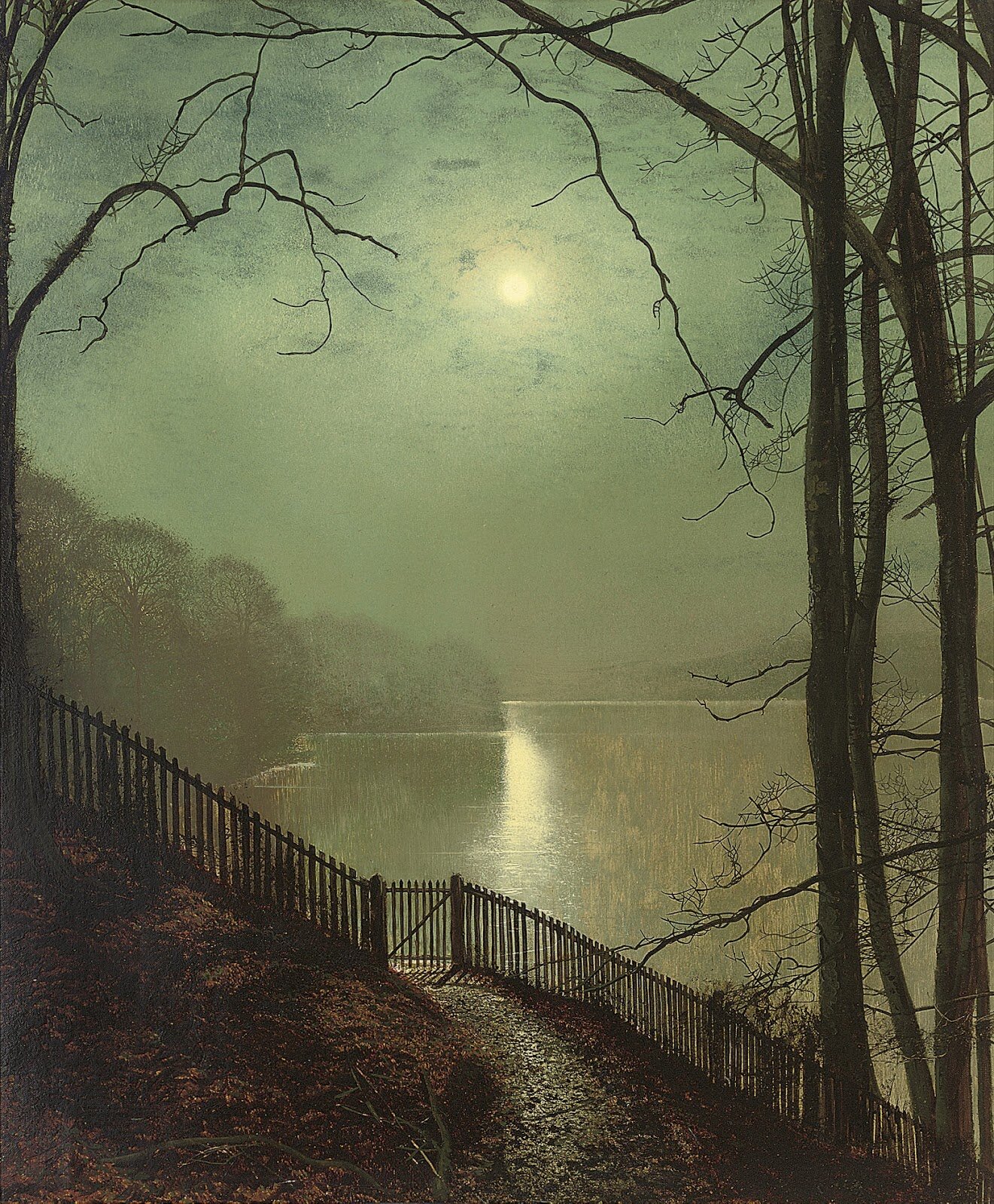
John Atkinson Grimshaw, Moonlight on the Lake, Roundhay Park, Leeds

With this puzzle I embark on my fourth year of providing the world with a weekly crossword and a weekly Victorian novel recommendation.  And I’m not going anywhere.  I’m here for the duration (don’t ask me of what), grimly determined to see it through (whatever it might be).  Nothing can shake my resolve!

Well, we’ll see how I feel tomorrow.


Download this week’s crossword:

157-Not-Going-Anywhere.puz

157-Not-Going-Anywhere.pdf

Solve this week’s crossword online:

157 Not Going Anywhere

Novel 157: Noell Radecliffe, Wheel within Wheel (1861)

Daniel Maclise, Title Unknown

A woman loves a man who regrets an entanglement with a married woman.


Here is another masterpiece by the unknown Radecliffe (see Novels 005, 105); its carefully finished plot, lively but nuanced characters, and incisive style are all typical of its author.

“It is written throughout with a remarkable smoothness and evenness;  . . . its characters are, in general, well conceived and consistently carried out, and both its hero and heroine, without being at all unnatural, are sufficiently out of the common way to inspire more than common degree of interest.  The construction of the story, however, is, we are inclined to think, the point which does the author most credit.  This is, as might be expected from the title of the book, of a more than usually complicated nature; and we are compelled at once to admire the ingenuity which has led to its conception, and the singular skill by which so great a multiplicity of distinct interests and incidents are made to converge to the final catastrophe.” Spectator, May 5, 1861

“A lively, brisk novel” written “with apparently great ease, and very considerable correctness of style.” Critic, May 11, 1861

Download this week’s novel:

v.1 http://access.bl.uk/item/viewer/ark:/81055/vdc_000000049E36#?c=0&m=0&s=0&cv=4&xywh=-459%2C-107%2C3367%2C2237

v.2 http://access.bl.uk/item/viewer/ark:/81055/vdc_00000004C158#?c=0&m=0&s=0&cv=0&xywh=-1223%2C-128%2C3825%2C2542

v.3 http://access.bl.uk/item/viewer/ark:/81055/vdc_000000049E3C#?c=0&m=0&s=0&cv=4&xywh=-492%2C-121%2C3424%2C2275

Crossword 156: Yet Another Cavalcade of Crosswordese

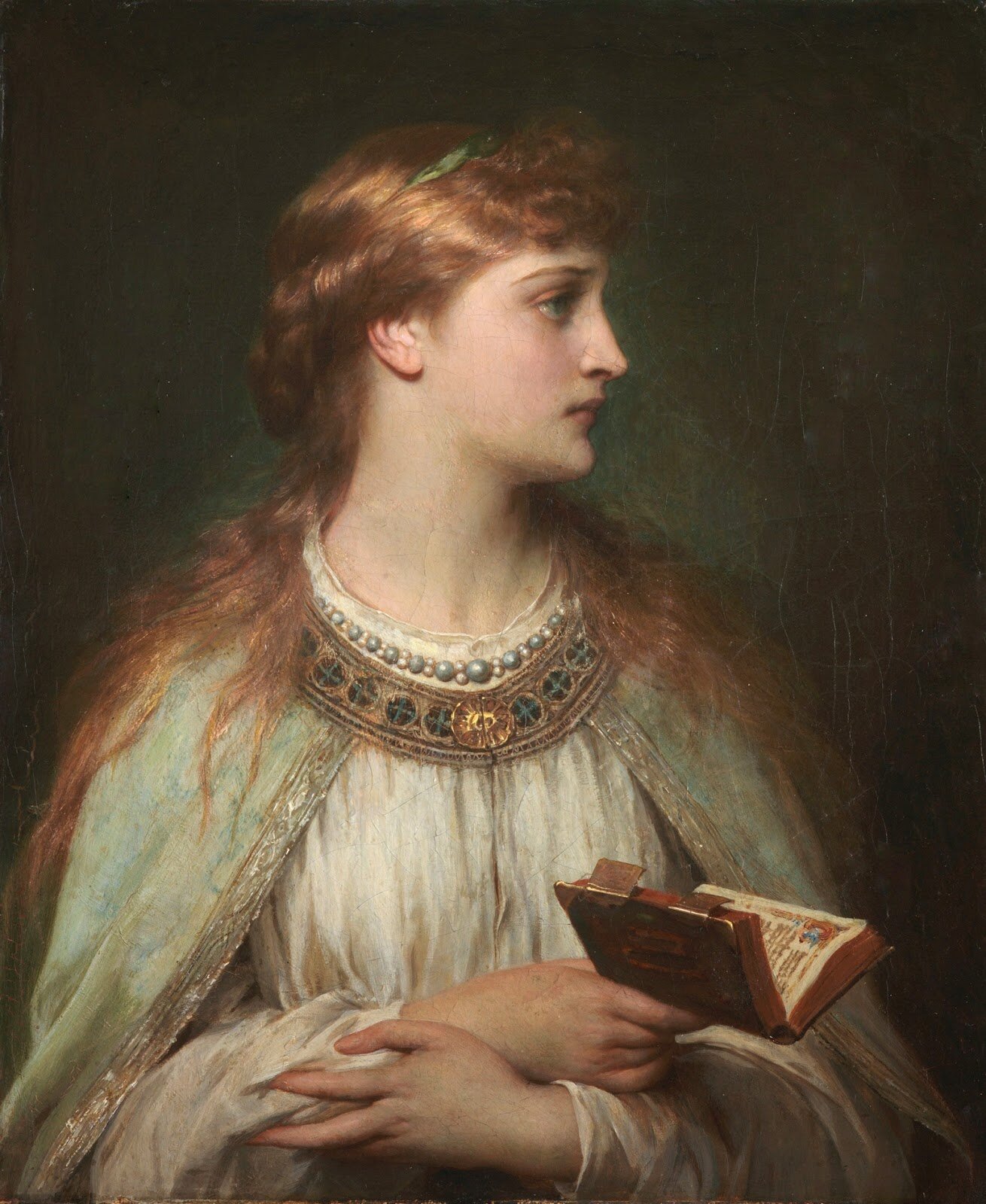
Thomas Francis Dicksee, Ophelia

I conclude this website’s third year with a third cavalcade of crosswordese—a puzzle that combines the tiredest crossword fill I can find into the groanworthiest answer phrases I can imagine.  Its purpose is to arouse in the solver the emotions of morphological pity and alphabetic fear, thereby inducing a catharsis of those emotions (see Aristotle’s Poetics).

Once cleansed, you’ll find yourself in a mood to donate to the site; so I’ve made that easy for you with the button below.  Donate $10 and you’ll get a crossword filled only with words and phrases current in the Victorian era (and still current today, of course).  Donate $13.50 and you’ll get a 21 x 21 crossword.  Donate $15 and you’ll get both.  Donate $10,000,000 and the site will be renamed in your honor.

DONATION UPDATE:

I can also receive donations through PayPal and Venmo, at my email address.


Download this week’s crossword:

156-Yet-Another-Cavalcade-of-Crosswordese.puz

156-Yet-Another-Cavalcade-of-Crosswordese.pdf

Solve this week’s crossword online:

156 Yet Another Cavalcade of Crosswordese

Novel 156: W.E. Norris, My Friend Jim (1886)

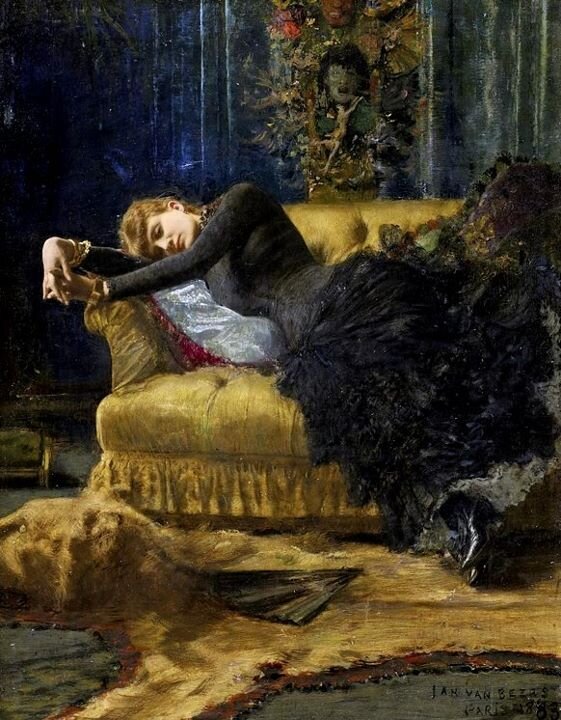
Jan van Beers, Portrait of a Young Woman

A ruthless rector’s daughter lets nothing interfere with her social and material ambition.


Here is yet another novel by that most unjustly neglected of unjustly neglected novelists, W.E. Norris (see Novels 002, 054, 104).  This one features an amusingly bad anti-heroine.

“A capital sketch . . . of some phases of modern English life . . . told in an admirable way. . . .  Since Thackeray wrote, no British novelist, Trollope and one later writer excepted, present such amusing and delicate social cynicism, such fidelity to human nature, or handle such a diamond pointed pen when holding up the weakness and folly of mortal man.” Independent, September 30, 1886

“Mr. Norris does not crowd his canvas, his presentment of life is veracious and sober, his environment is clearly, often brilliantly, delineated, his characters are persuasively human and unheroic.”  Saturday Review, October 16, 1886

“To those who appreciate finished style, quietly cynical humour, and consistent art in the rapid delineation of varied character, it can hardly fail to afford a treat.”  Observer, December 26, 1886

Download this week’s novel:

v.1 https://archive.org/details/myfriendjim01norr

v.2 https://archive.org/details/myfriendjim02norr

Crossword 155: Pull Out All the Stops

Robert Alexander Hillingford, Gifts for the War Chest

I conclude this website’s third year, as I did previous years, by providing you, first, with large 21x21 puzzles, and, second, with an opportunity to donate.  Not that I need the money—but you, gentle solver, need an outlet for those impulses of gratitude that fill your generous soul, and I am willing to provide one.

As usual, there are four donation levels.  Donate $12 and receive a 15x15 crossword which employs only words current during the Victorian era (and, of course, still current today), and which refers nostalgically to a simpler era of food packaging.  Donate $13.50 and receive a large, 21x21 crossword, a sequel to last week’s puzzle with an added twist.  Donate $15 and receive both.  Be the first to donate $10,000,000 and the website will be renamed in your honor, so that if your name is, say, Jeff Bezos, the name of the website will be “Jeff Bezos Presents David Alfred Bywaters’s Crossword Cavalcade and Weekly Victorian Novel Recommender.”

(By the way, careful solvers will notice that this puzzle’s 6 Down makes a return appearance after its debut as 16 Across in Crossword 039—but with an even more hilarious clue!)


Download this week’s puzzle:

155-Pull-Out-All-the-Stops.puz

155-Pull-Out-All-the-Stops.pdf

Solve this week’s puzzle online:

155 Pull Out All the Stops