A virtuous young lady marries a scholarly older man who needs help caring for his late sister’s children.
Beatrice May Butt (1856-1918) published some fifteen works of fiction between 1876 and 1908; in this she offers a quiet plot, some vivid characters, and a subtle sense of personal relationships.
“A pretty story, with a happy blending of the poetical and the prosaic.” Times, November 9, 1883
“Those who like a quiet story, without sensationalism of any kind, but yet, at the same time, an admirable study of the inner life and its affections, will find undoubted pleasure in this work. . . . The author’s style is smooth and pleasant, and occasionally rises into dignity and pathos.” Academy, November 10, 1883
“The heroine’s pure and affectionate though passionate nature is well exhibited.” Athenaeum, December 1, 1883.
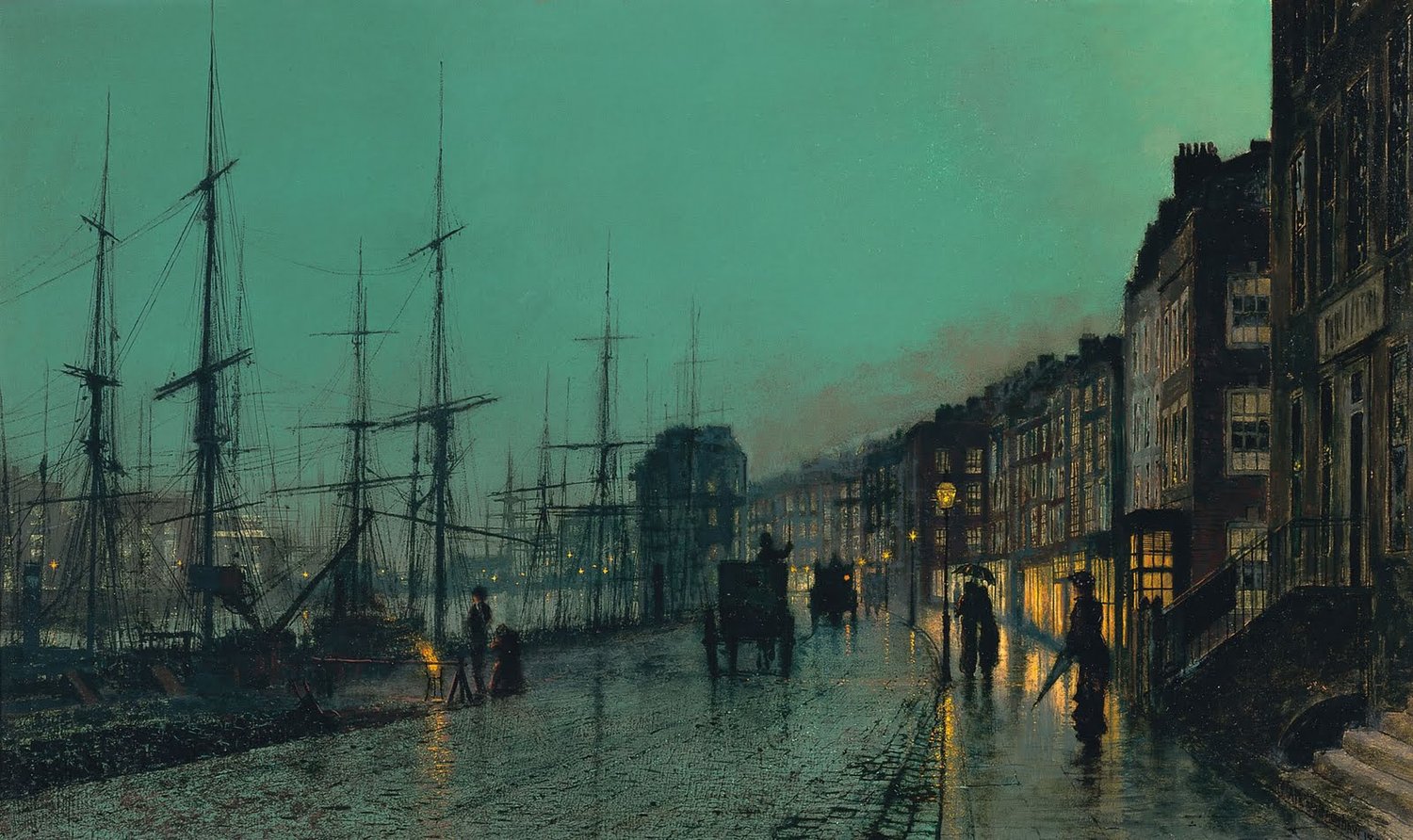
The great John Atkinson Grimshaw and the famous Paul Cézanne were almost exact contemporaries. I would wager that anyone uncorrupted by a course of art history or a habit of gallery visiting would prefer the moodily atmospheric genius of Grimshaw to the blotchy dullness of Cézanne, if presented with samples of each. Yet Cézanne is celebrated, Grimshaw obscure. It’s rigged no doubt—but by whom, and for what purpose?
A forthright, virtuous young lady is forced by the death of the sea-captain uncle who raised her to move to the home of another uncle, a vulgar millionaire, in whose household lives also another niece, beautiful but devious.
Eliza Lynn Linton (1822-1898), who wrote some 27 novels beginning in 1846, was well known as a journalist and social critic as well as a novelist: her essays on “the girl of the period”—a vain, loud creature obsessed with fashion and indifferent to domestic virtue—were notorious. Here she arranges some vividly hateful, yet believable, characters in a gripping plot.
“An acute and serious study of certain phases of English society . . . written in a very clear, lively, and interesting style, with a pleasant effervescence of satire and epigram”; it has “enough . . . of graphic portraiture and witty observation to furnish materials for half-a-dozen novels of the everyday kind.” Saturday Review, November 21, 1874
“A very clever and well-constructed story” which “climbs at the last to a very powerful and well-managed situation. . . The characters are distinct, the individuality of each man and woman being put together bit by bit with pains and care.” Times, December 5, 1874
“A rousing heart-stirring novel. . . . Even those readers who do not care for social questions, will enjoy Mrs. Lynton’s excellent character-drawing.” Morning Post, December 18, 1974
Wait! Come back! Not you!—the “L.” Everybody’s welcome here at David Alfred Bywaters’s Weekly Crossword Cavalcade—even you. As so often before, we at “The Cavalcade” have taken something unpleasant, a phrase that may perhaps evoke bitter memories, and made it—fun! (By “we” I mean, of course, “I.”)
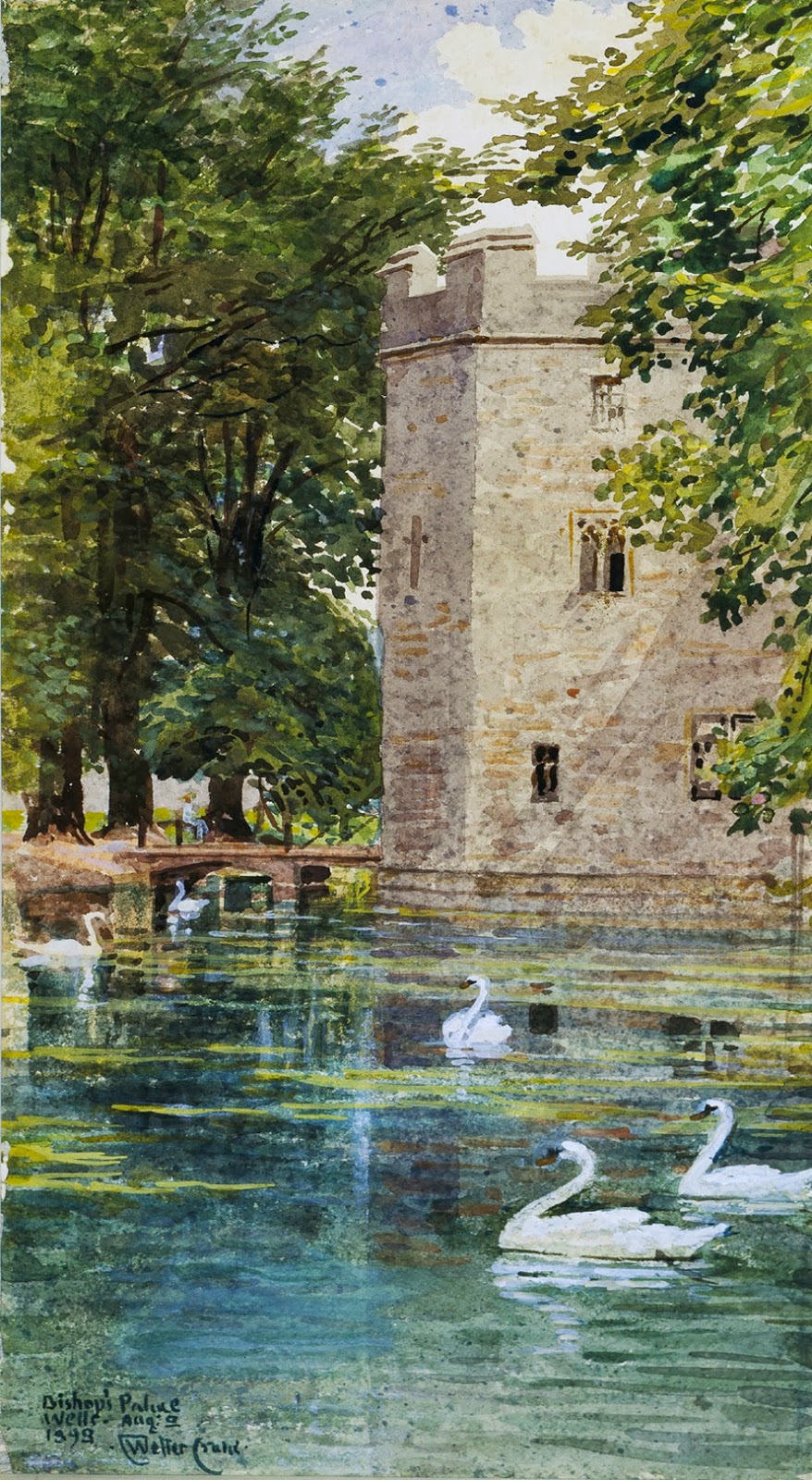
Walter Crane, The Moat and Bishop’s Palace, Wells Cathedral
A bishop’s daughter’s fiancé is accused of adultery in a divorce case.
Thomas Cobb (1854-1932) wrote some 86 works of fiction beginning in 1887. He specialized in breezy comedies like this one.
“A book of ingenious complications and bright dialogue . . . the story is human and pure comedy.” Academy, February 2, 1901
The author “is saving us the trouble and humiliation of always going to France for good light fiction. There are few English authors who have the art of being light without being empty.” This novel “shows no falling off in interest and vivacity. . . . We read it on the South Eastern Railway, and forgot where we were.” Speaker, February 16, 1901
It has “a clever, novel plot in its way” with “an air of light comedy.” Athenaeum, February 23, 1901
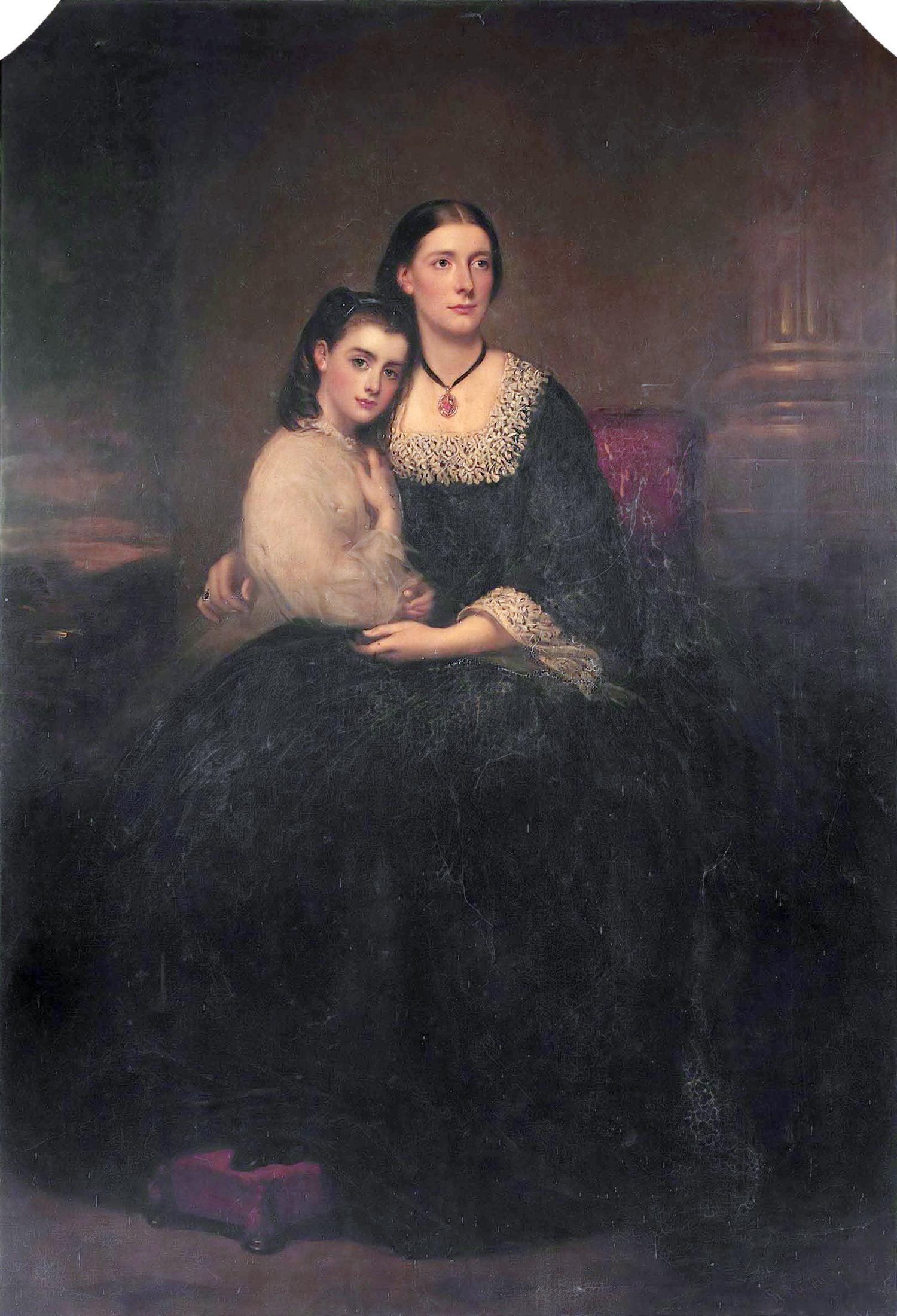
Richard Buckner, Emily, 1st Viscountess Hambleden, and her Daughter
A woman and her children are left in trouble after the husband and father absconds with another woman.
The anonymous author is known to have written two novels, of which this was the first. Some sources (I don’t know the origin of the claim) identify her with Emma Willsher Atkinson, the author of last week’s novel;Troy Bassettfinds no basis for this, and the novel seems to me by another hand entirely. Read both and make up your own mind. Whoever she (or he) may be, she (it seems the likelier choice) provides an involving, sophisticated analysis of the consequences of Victorian marital failure.
It is “told . . . with great strength of feeling, is well written, and has a plot that is by no means commonplace.” Examiner, September 16, 1858
It has “the freshness of inexperience.” Though the plot “verges upon melodrama,” the characters are “distinctly drawn, and often wear an appearance of individuality.” Spectator, October 2, 1858
“The subject and structure of the story are well chosen and well planned, the conversations are natural, and the characters neither hackneyed nor untrue.” Literary Gazette, October 23, 1858
“It is not in every novel we can light upon a style so vigorously graceful—upon an intelligence so refined without littleness, so tenderly truthful, which has sensibility rather than poetry; but which is also most subtly and searchingly powerful.” Dublin University Magazine, April. 1859
In is out! That's the kind of upside-down, through-the-looking-glass sort of a wonderland world this bold new puzzle creates. And just so you don’t get too comfortable, at least one in . . . is still in! You won’t find that feature in many other puzzles.
The above painting refers to a subtheme, daringly embedded in baffling cross-references.
An earnest, shy young man with Tractarian leanings takes up a curacy in a Yorkshire village.
Emma Willsher Atkinson (1826-1900) is known to have written only one novel—this one. Despite some sentimentalism and didacticism (especially near the end), she gives us several striking characters and sharply defined social and moral dilemmas.
The author “has performed a very difficult task creditably”; she “has not shrunk from showing that extremes with a little friendly mediation will sometimes meet.’“ Leader and Saturday Analyst, October 15, 1859
"The novel may offend readers of either extreme, being itself of none, yet it is wholesome and kindly in its tone. It is a little touched with excess of feminine sentiment, but at the same time has feminine perceptions of character, and is not without humour” Examiner, November 26, 1859
I try, as much as possible (given my other aims) to avoid product names in my crosswords, because I want my crosswords to continue to provide enjoyment centuries hence, when all those products will be forgotten. And I especially dislike “fashion labels,” which encourage us to act from combined motives of personal vanity, financial recklessness, and mindless herd conformity. When this puzzle, however, insisted on one designer-label name, I figured I might as well “double down.” Solvers of the future will infer them from the crossings.
A solicitor’s son, destined by his father for a legal career, prefers painting and writing.
Edward Dutton Cook (1831-1883), himself a solicitor’s son who studied painting, wrote some eleven novels between 1861 and 1877; this, his first, represents Bohemian London in a lively style.
Cook “depicts the various phases of Bohemian life with perfect truthfulness...and considerable humour; and, at the same time, with a consistent delicacy of touch” that will protect “the most susceptible reader.” Spectator, July 20, 1861
“It is not often that a novel so witty, wise, and healthful in spirit offers itself for perusal.... There is not much plot in the book, but great play of character. . . . The book is spirited and the style easy.” Athenaeum, August 3, 1861
“The incidents and explanations cluster cleverly at the climax, and the best teaching abounds, whilst there is not the least shadow of lecturing or preaching.” Illustrated Times, October 21, 1865
Feeling anxious? Why spend a fortune on talking cures or psychotropic drugs, when you have access on this website, free of charge, to cruciverbal-behavioral therapy (CBT)? Work this puzzle, and you’ll find yourself growing reconciled at last to life’s enduring misery and your own congenital inadequacies!
A virtuous young lady, secretly married, is forced to live with her rich, vulgar, art-collecting aunt.
Margaret Hunt, née Raines (1831-1912), who sometimes wrote as Averil Beaumont, sometimes as Mrs. Alfred Hunt (her husband was a well-known painter) produced about a dozen novels beginning in 1872, the last completed by her daughter Violet, also a novelist, and the consort of Ford Madox Ford, the best known novelist of the three. This novel, the gripping plot of which begins in domestic comedy and ends in sensationalistic mystery, represents its varied and amusing characters in a brisk style.
Despite themes long familiar from “tri-voluminous fiction, the author . . . has managed to produce a fresh, attractive, and decidedly entertaining story.” Athenaeum, December 31, 1892
“Mrs. Alfred Hunt is a writer whose narratives go along smoothly enough, and whose persons have the breath of life.” Saturday Review, January 21, 1893
The heroine’s troubles “are related with a vivacity which goes far to relieve their dismalness. . . . The story is a very good one, with plenty of excitement in the matter of plot, and at least one admirably drawn character.” Spectator, March 25, 1893
When I wrote the clues for this puzzle, the temptation to cross-reference was particularly difficult to resist. 10 Down, 33 Down, and 19 Across all refer to an activity that may be performed on 4 Down, 6 Down, 12 Down, 14 Across, 60 Across, and in fact anything 47 Down. But for your sake, gentle solver, resist I did.
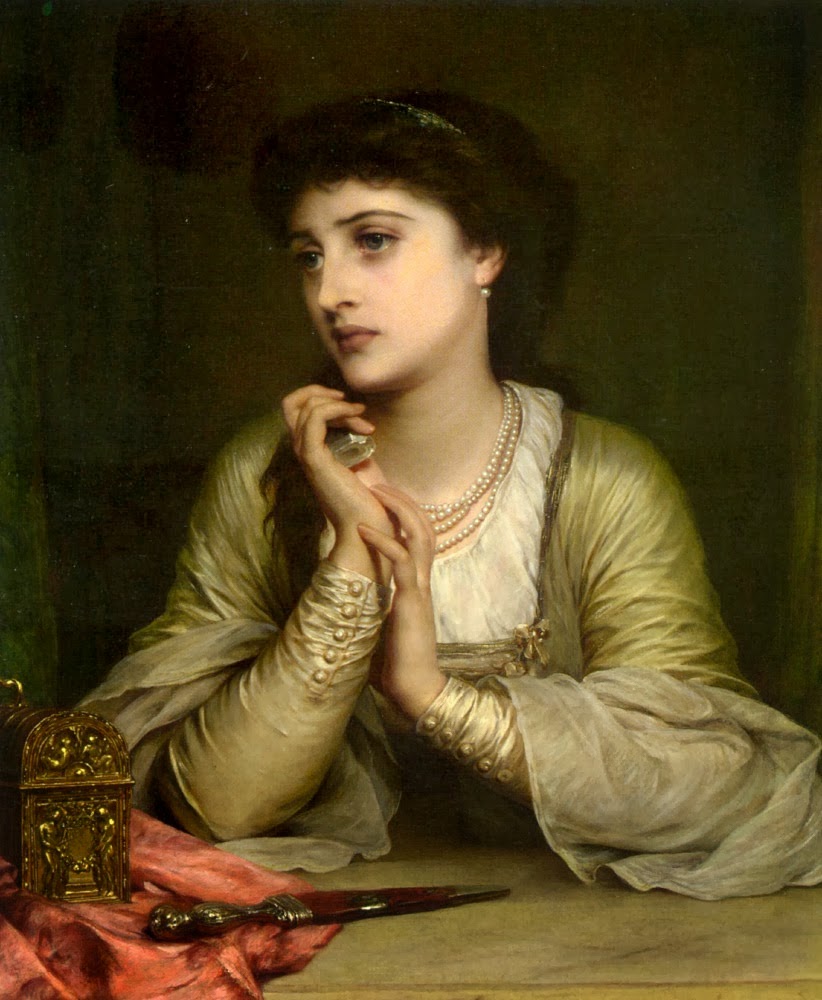
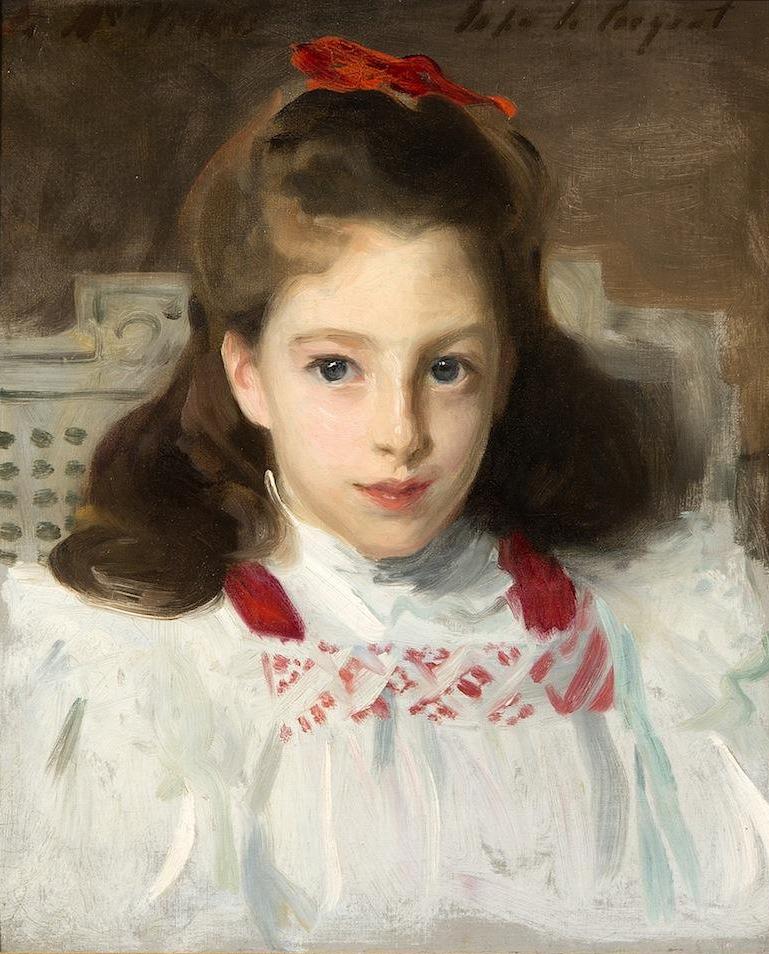
John Singer Sargent, Portrait of Miss Dorothy Vickers
An eccentric New York bachelor adopts an orphaned French-English waif.
Henry Cuyler Bunner (1855-1896) was better known for his stories and plays than his two novels. This, the first, is a brief comedy of situation, delightful except for its odd ending.
“A slight yet charming study of life in the French quarter of New York." Eclectic Magazine, July, 1886
The plot is “gracefully and artistically handled”;“the story is rich in sensitive passages, both humor and pathos being well portrayed.” Advance, October 7, 1886
A principled and philanthropic young doctor pursues his career in an English village amid various social and romantic difficulties.
Harriet Martineau (1802-1876), a prominent political economist and social critic, wrote only a few works of fiction, of which this is the longest and most ambitious. It has great faults, a painful lover’s misunderstanding plot among them, but equally great virtues, especially its terrifyingly life-like evocation of group injustice.
“The reader must bear with some prosiness and some triviality in the outset of the tale” but “he is secure of finding . . . something better than mere amusement—namely, that pleasure which opens, elevates, and humanizes the mind. In short, equally for its tendency and its truth, this tale is a valuable present to the middle classes.” “Nothing can be more true in its village tone, than the picture of society at Deerbrook.” Athenaeum, April 1, 1839
“The story of Deerbrook is simple and most natural, both in its conception and its working out; the characters are as forcible, and at the same time as original, as any thing so strictly true can be; and the scenes are those of the every-day life of the middle classes of society.” New Monthly Magazine, May, 1839
“A story of domestic life; a story of the affections, the passions, and the incidents of a country village” which “is wrought out with a quiet vigor and a masterly fidelity to Nature and to Man. We see in it not our neighbors merely, but ourselves. Every page is radiant with the portrayal of the suicidal insanity as well as loathsomeness of malice, of envy, of tale-bearing, of anger, and of ill-will.” New-Yorker, July 1, 1839
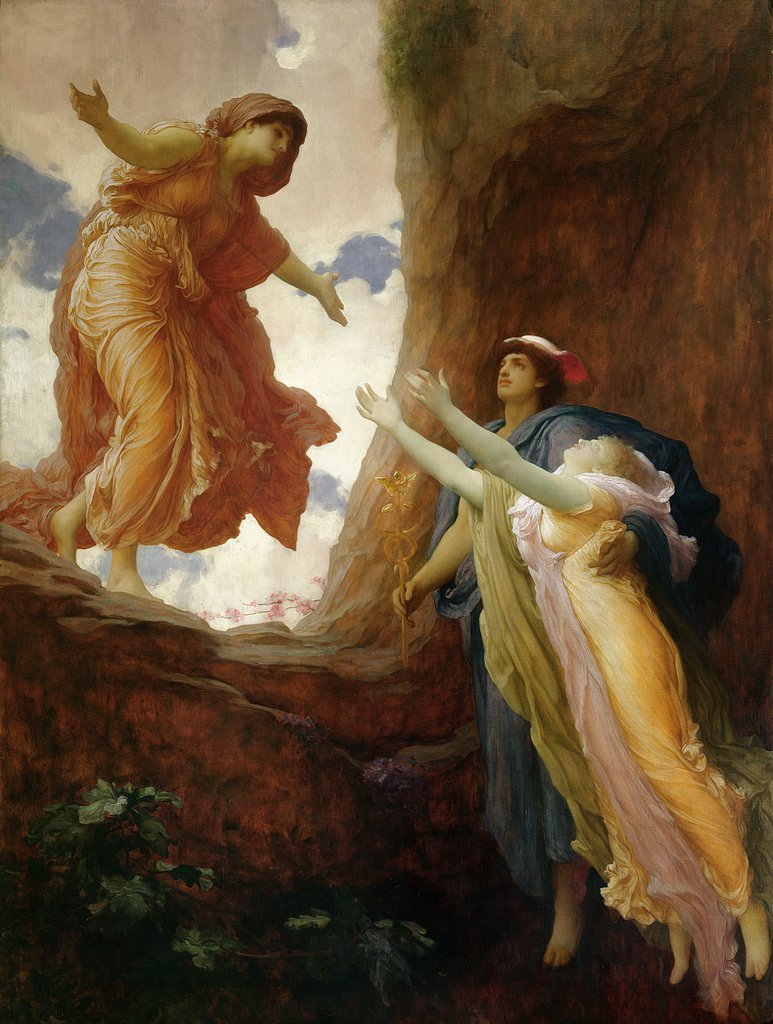
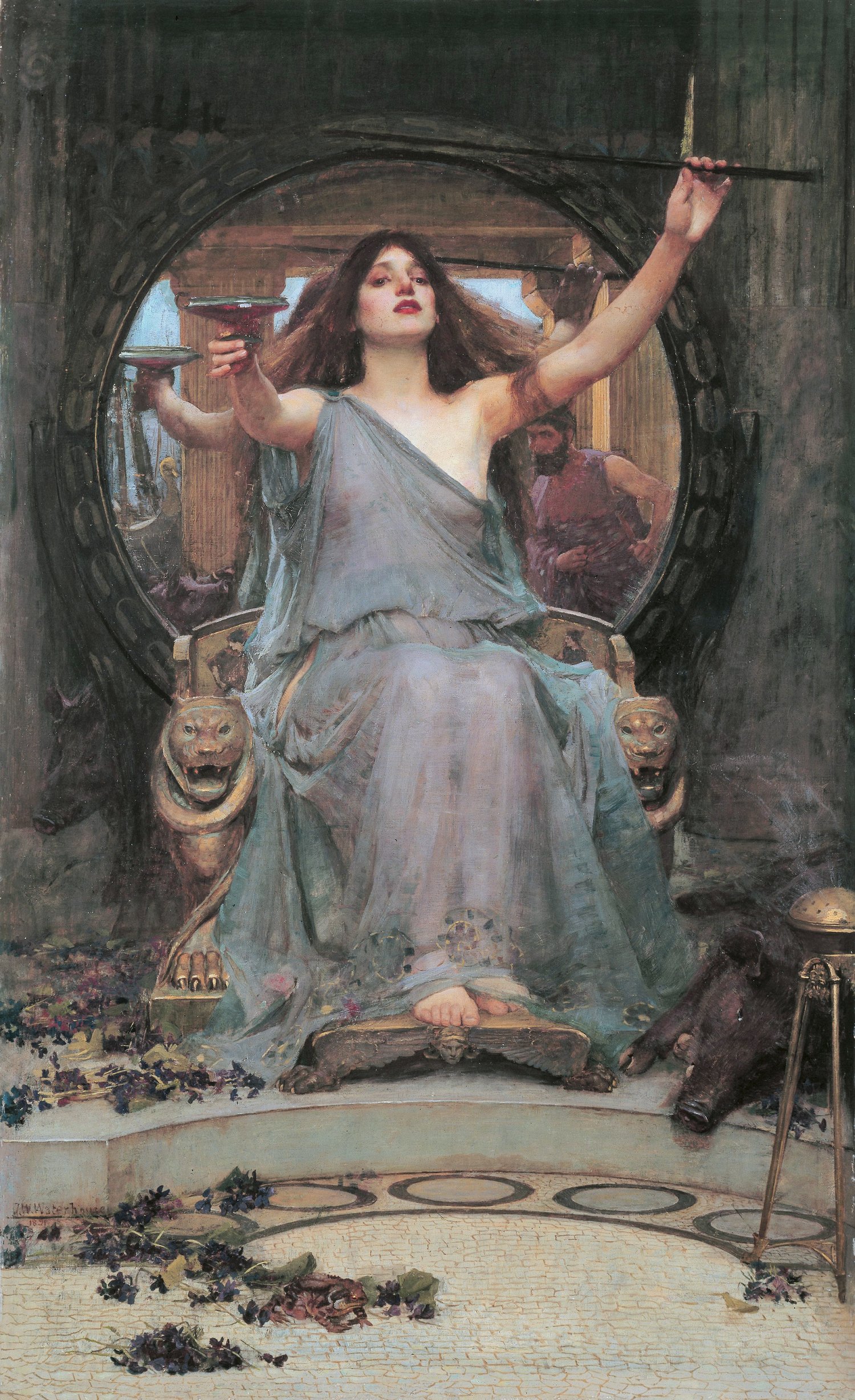
John William Waterhouse, Circe Offering the Cup to Odysseus
Do you worry that online media are creating illusory bonds and instilling obsessive habits that rob you of your authentic self? Of course you do! But not this website: on the contrary, I’m here to put you on your guard.
An aristocratic young lady, prevented by her pregnancy from accompanying her diplomat husband overseas, shares a “semi-detached house” with a middle-class family.
Emily Eden (1787-1869), daughter of a baron and sister of an earl, wrote only two novels, of which this quiet, pleasant work of social comedy is the second, though the first to be published.
“A piece of real life, sketched by a spectator full of shrewd sense and a genial spirit of fun.” Spectator, August 6, 1858
“The purpose of this book, in so far as it has a purpose, is to teach us to take life easily and frankly . . . that we should not be too much pleased at speaking to persons of superior rank, nor too anxious to avoid those who may be below us”; the story is slight, but has “sparkling dialogue . . . good subsidiary characters, and . . . cheerful and habitual good sense.” Saturday Review, August 27, 1858
“Character painting so entirely unpretending in its manner, and so perfect of its sort, as that which gives to this novel its value as a work of art, is not often to be found.” Examiner, August 27, 1858
I’ve always been annoyed by the saying that this puzzle is built on; maybe after you solve it, you will be too. By the way—this puzzle is a pangram: every letter of the alphabet is represented. I don’t usually care about such things, but when I found I was only one very famous basketball star away, I thought—“why not?” Don't worry—he’s so very famous even I have heard of him, and I confess I’ve never sat through a whole basketball game live or televised. I have nothing against the sport particularly, but I can’t endure the sound of those squeaking shoes.