The lives of a scholar, his disinherited Welsh wife, and their four children.
Annie Keary (1825-1879) wrote some ten novels between 1856 and her death. The early chapters of this one, recounting the narrator’s emergence from childhood, are especially effective.
“Lovers of incident may find it tedious; but it is a book of much earnest and deep thought. . . . Each portrait is complete.” Reader, Nov. 14, 1863
It has “a simple, realistic power that enlists our sympathies at once.” The story “is slight in itself, but receives weight and dignity from the subtle insight into character exhibited by the authoress.” London Review, Dec. 19, 1863
“Not only is the narrative carried on with the utmost simplicity, but it is not indebted for a single particle of the effect to anything beyond the legitimate action and probable complications of simple and natural causes.” Saturday Review, January 9, 1864
For a learned account of the phenomenon on which this puzzle is based, see the Wikipedia article on “Inland Northern American English.” I was born and raised in Kansas City, where English is spoken in its purest form; and so, when fate relocated me to Chicago for awhile, my ears were often offended by wrong vowels. If you yourself use these wrong vowels, I know I can trust you to train yourself to stop.
A young man becomes entangled with a scapegrace cousin and a charming adventuress.
This was Norris’s fourth novel, and like his third, No New Thing (see Novel002)—and like the author’s 60-some other novels and story collections—it features a witty, lucid style and carefully defined, memorable characters. So by 1884 the most prestigious critics are already getting tired of him. “Exceedingly tedious,” says the Athenaeum; the Academy finds only the first volume meritorious; the Saturday Review dismisses the whole as “too clever.” Nothing annoys professional critics so much as the consistent excellence that explains itself, doesn’t develop into something new, and so leaves them nothing to say.
“It is distinguished by a singular mellowness of tone and perfection of style, as well as by its power to enchain the reader’s interest from first to last. The author’s way of regarding society is agreeably dispassionate; he is satirical without being sardonic, and treats wrongdoing with a severity that is free from despair.” Chicago Tribune, February 9, 1884
“Easy description, keen observation of the foibles of people, and presentment of characters in excellent relief.” New York Times, February 11, 1884
“One of the most interesting novels that we have come across for a long time, pleasant to read as regards both substance and style, clear and fresh in its delineations of character, and thoroughly healthy in tone throughout. . . . Mr Norris’s finished sketches are not less accurate than easy, and . . . have a vigour and originality not often traceable in the fiction of the day.” Observer, May 18, 1884.
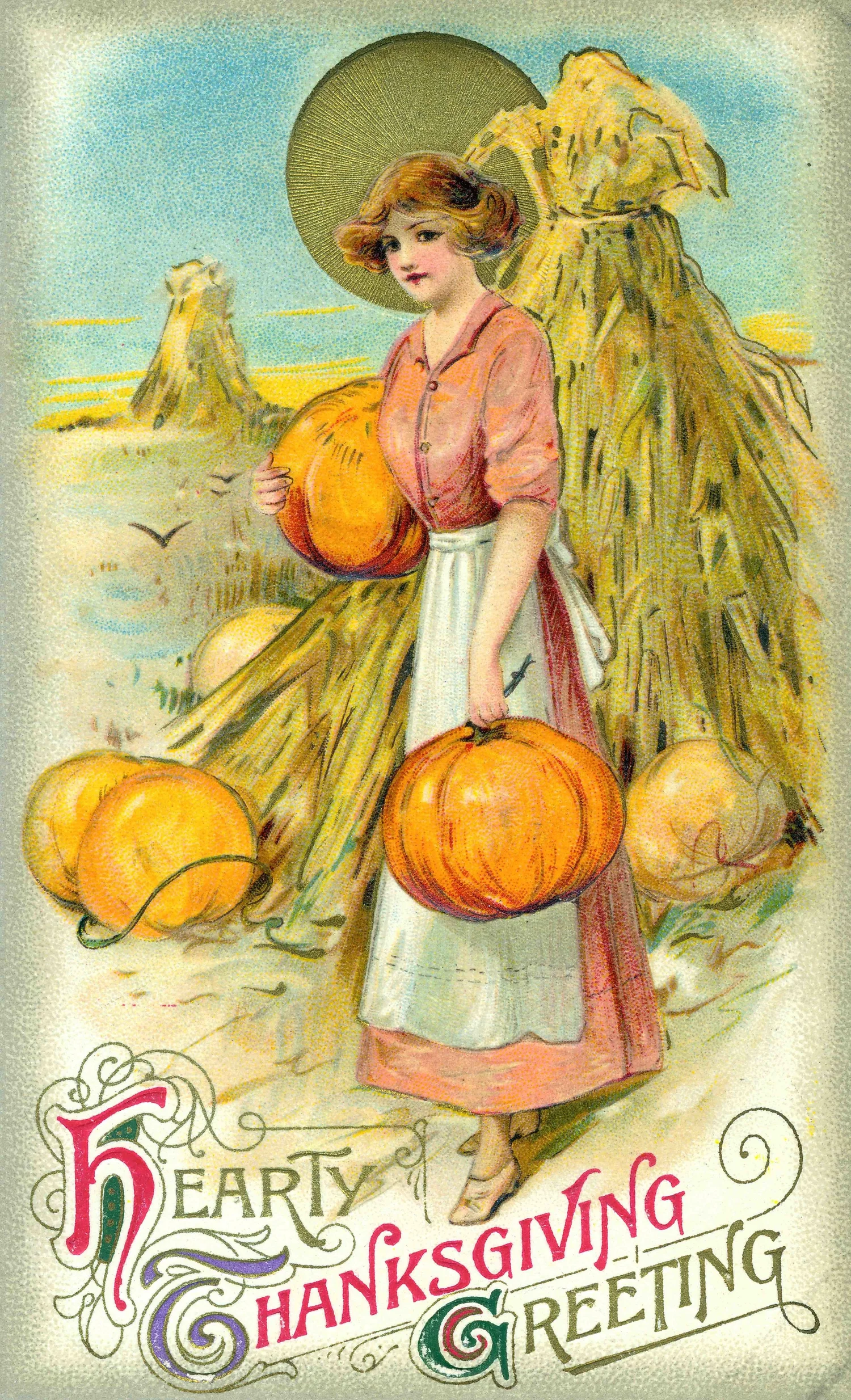
Thursday was Thanksgiving. I was thankful for you; and you, I’m willing to suppose, were thankful for me. But now we have these turkey parts all over the place. Like so many of my puzzles, this week’s holds a mirror up to nature, showing the very age and body of the time his form and pressure.
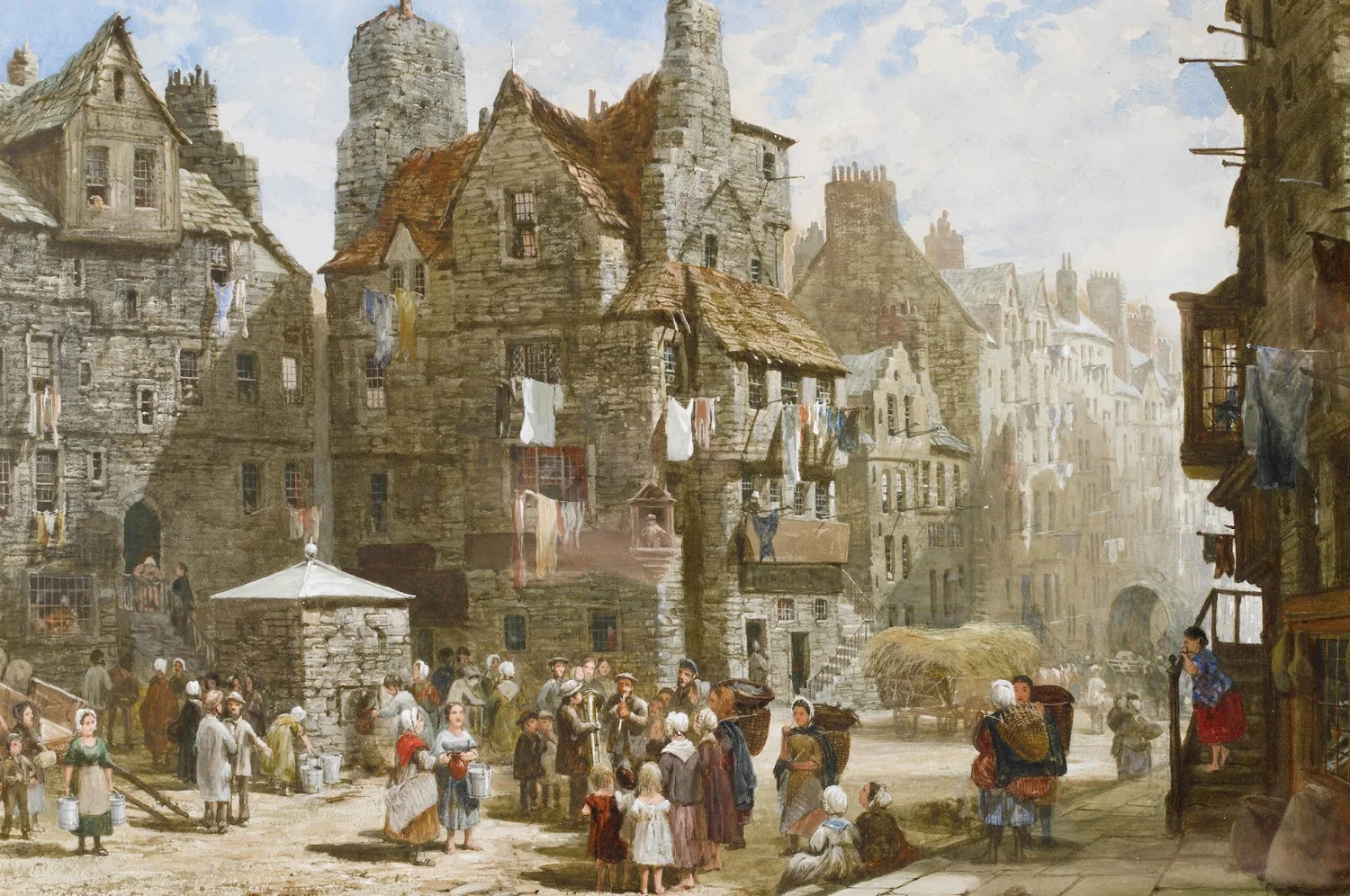
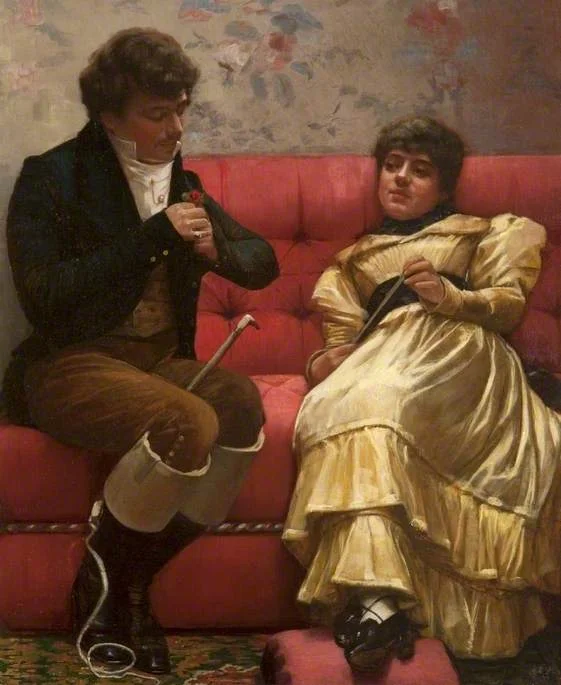
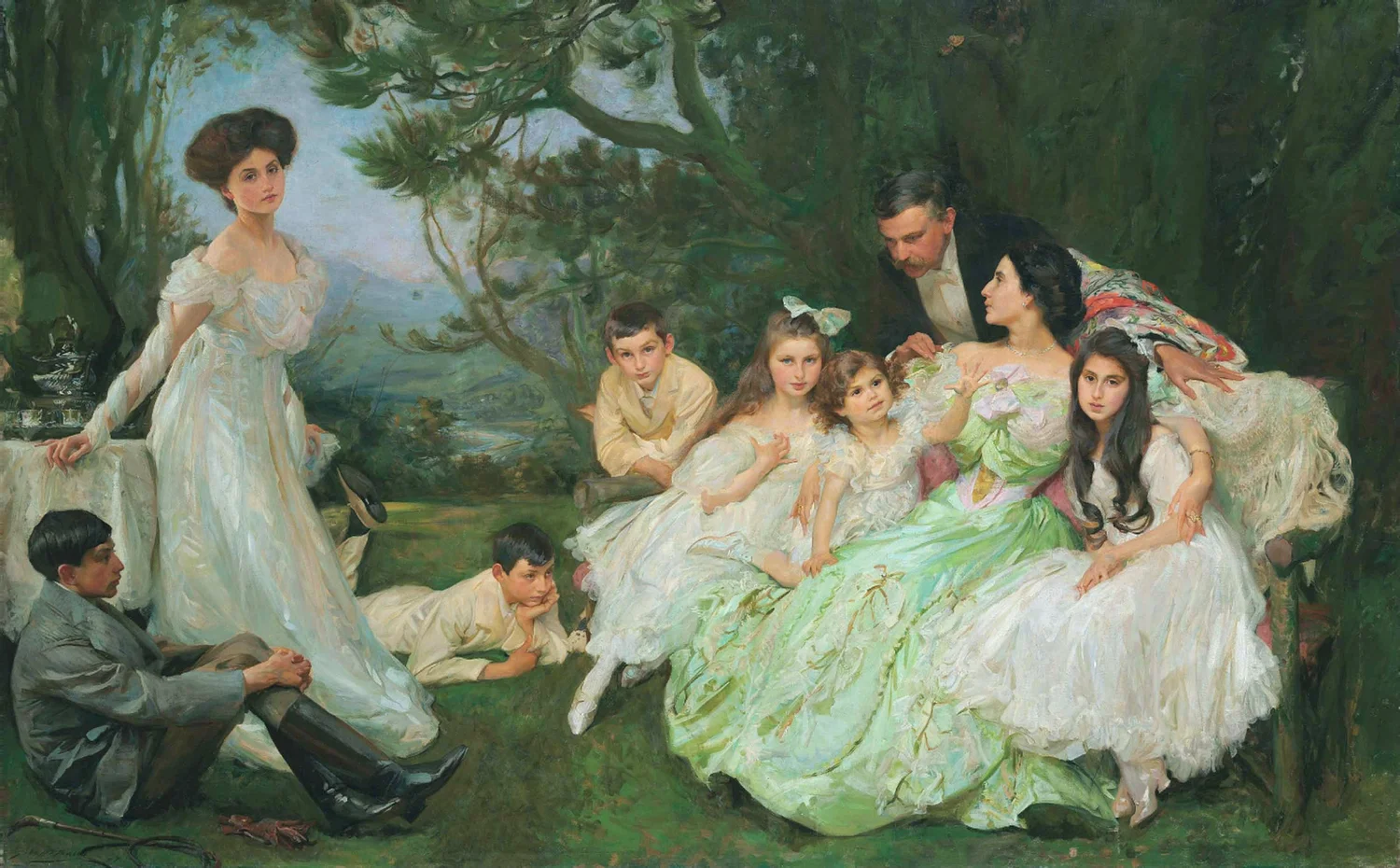
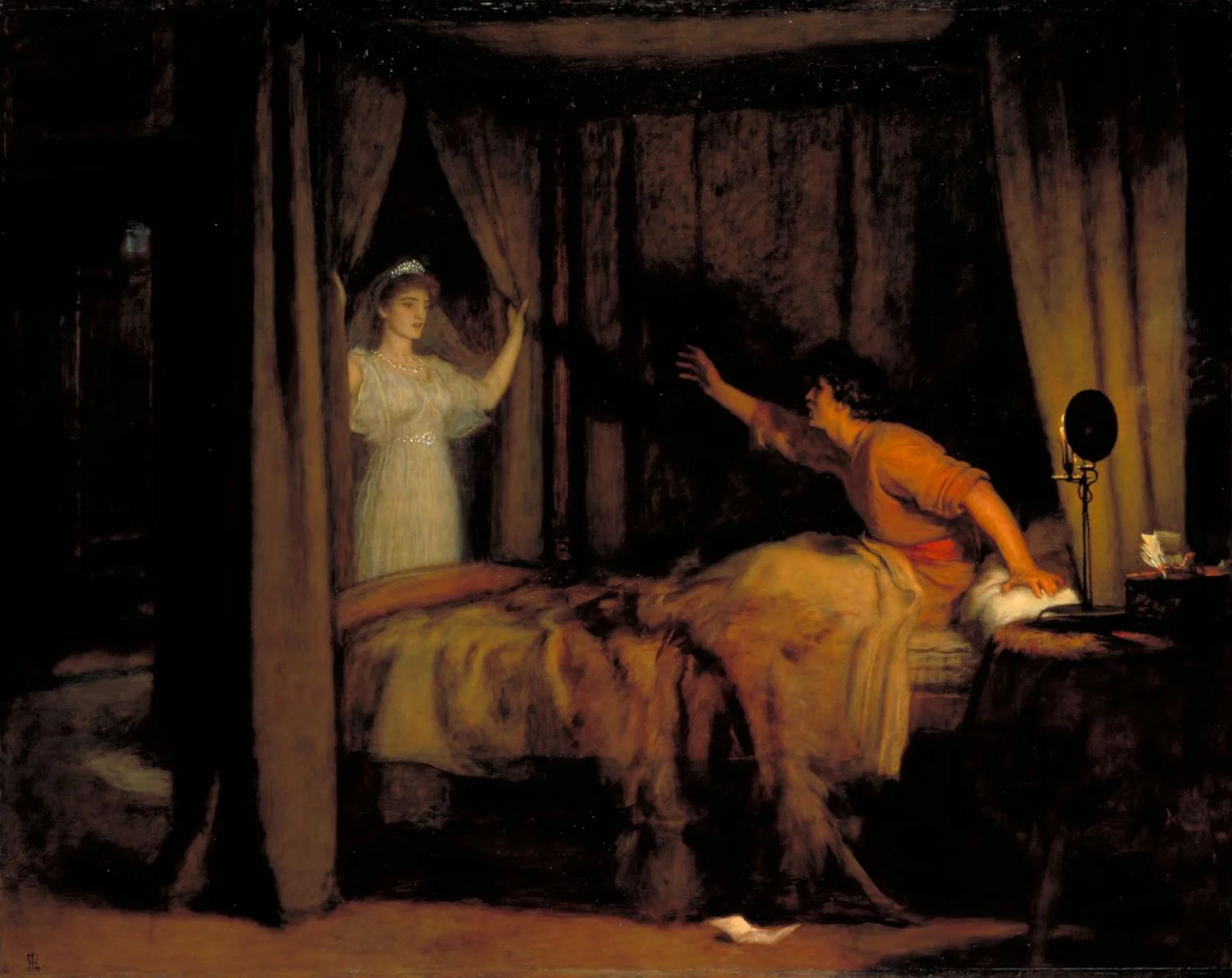
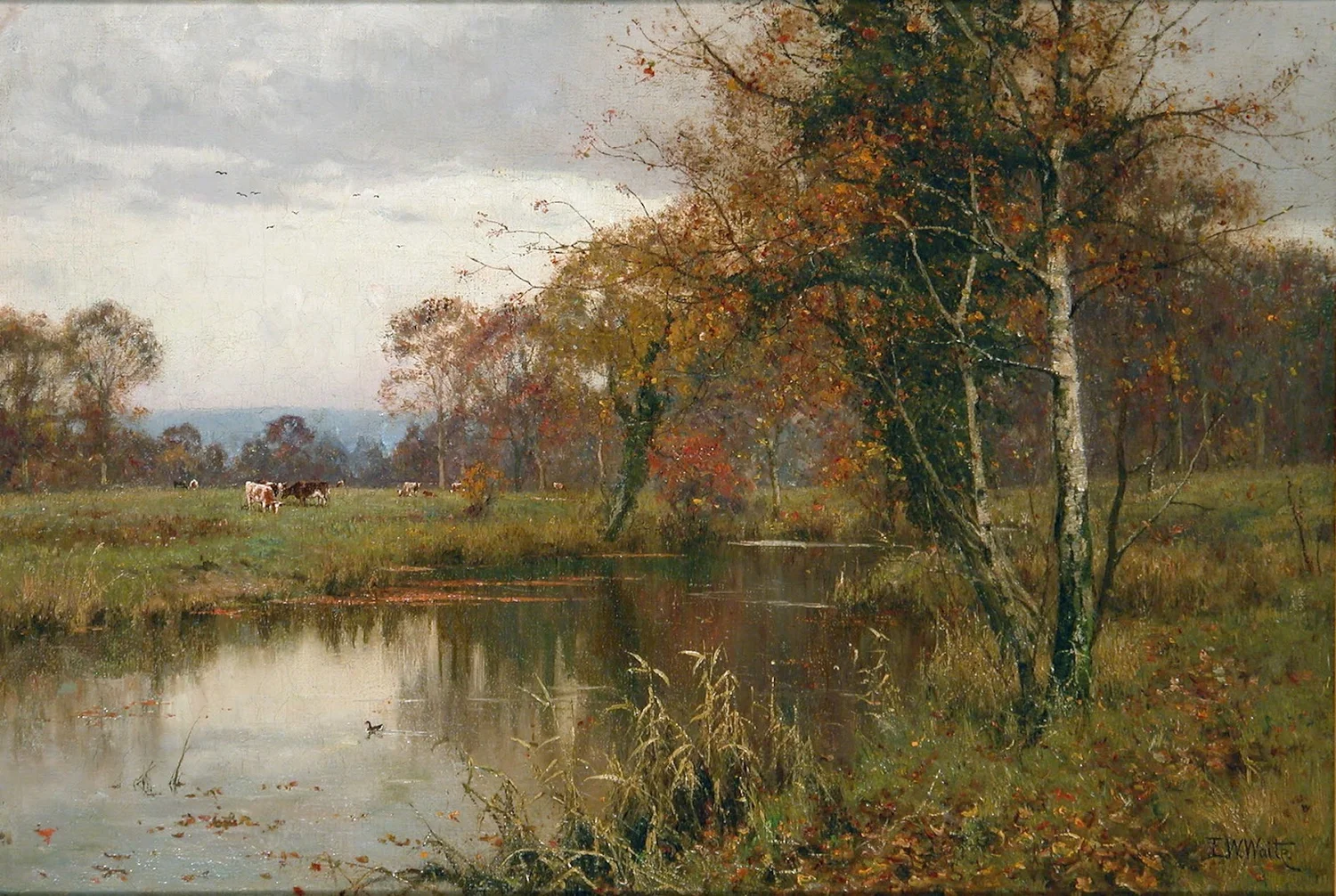
John Henry Frederick Bacon, The Golden Butterfly, The Harvey Family
The eleven motherless children of a town doctor grow up.
I have featured over 50 novelists during this website’s first year; I now return to some favorites, and first to Charlotte Yonge (Novel003). She is not utterly forgotten—there is awebsitedevoted to her work, run by a club which also publishes a journal—but in a properly ordered world she would have at least as many readers as, say, Charles Dickens. If her religiosity seems tedious to the modern reader (as it did even to many of her contemporaries), so does Dickens’s sentimentality. But like Dickens she creates a vivid, unforgettable world like that of no other writer, one in which the sympathetic reader cannot spend too much time. This is the first of the long (it is half as long again as the average three-volume Victorian novel) “family chronicles” that represent her most distinctive work.
“Each character speaks so naturally for itself that the reader seems to be one of the ‘Chain,’ and sitting in family conclave round the hearth. . . . So many young heroes and heroines with their instructors” allow Yonge “ample opportunities for exercising her peculiar genius for minute sketches of character.” Athenaeum, April 5, 1856
“This work is . . . a minutely detailed, and highly finished picture of one of our dear English homes, with its loves and losses, trials and triumphs. Here our authoress is in her element, depicting home scenes, and home ease and freedom: she evidently delights in the little social kingdom she creates. This lady is alone in the beauty with which she delineates children’s characters”; they are “real flesh and blood, treading their paths with stumbles and falls like the rest of us.” British Quarterly Review, July 1856
The characters “become as familiar to us as real acquaintances. . . . Reading the ‘Daisy Chain’ is like taking a walk through a plain country, which does not appear romantic at first sight” and feeling “the sense of living joy which animates creation.” New Quarterly Review, July 1856
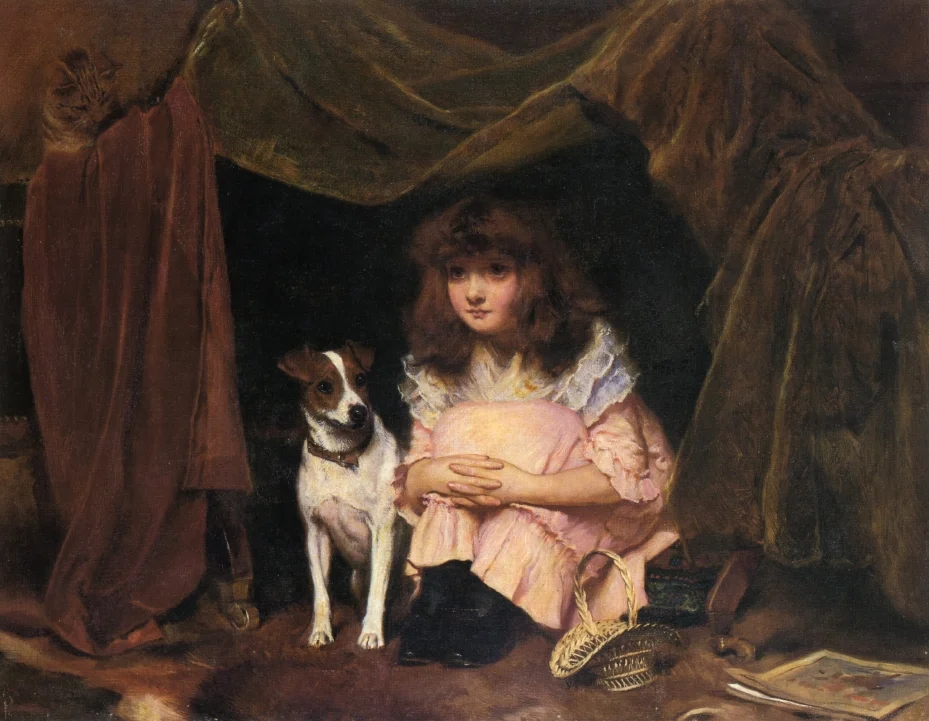
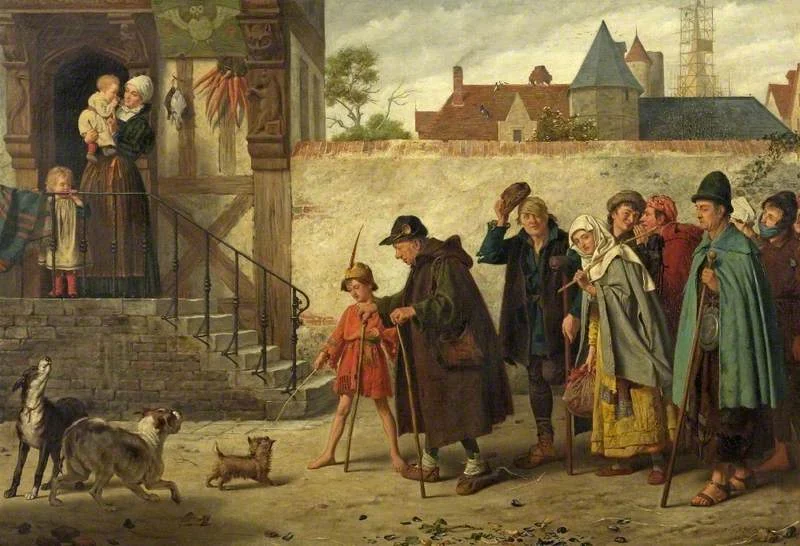
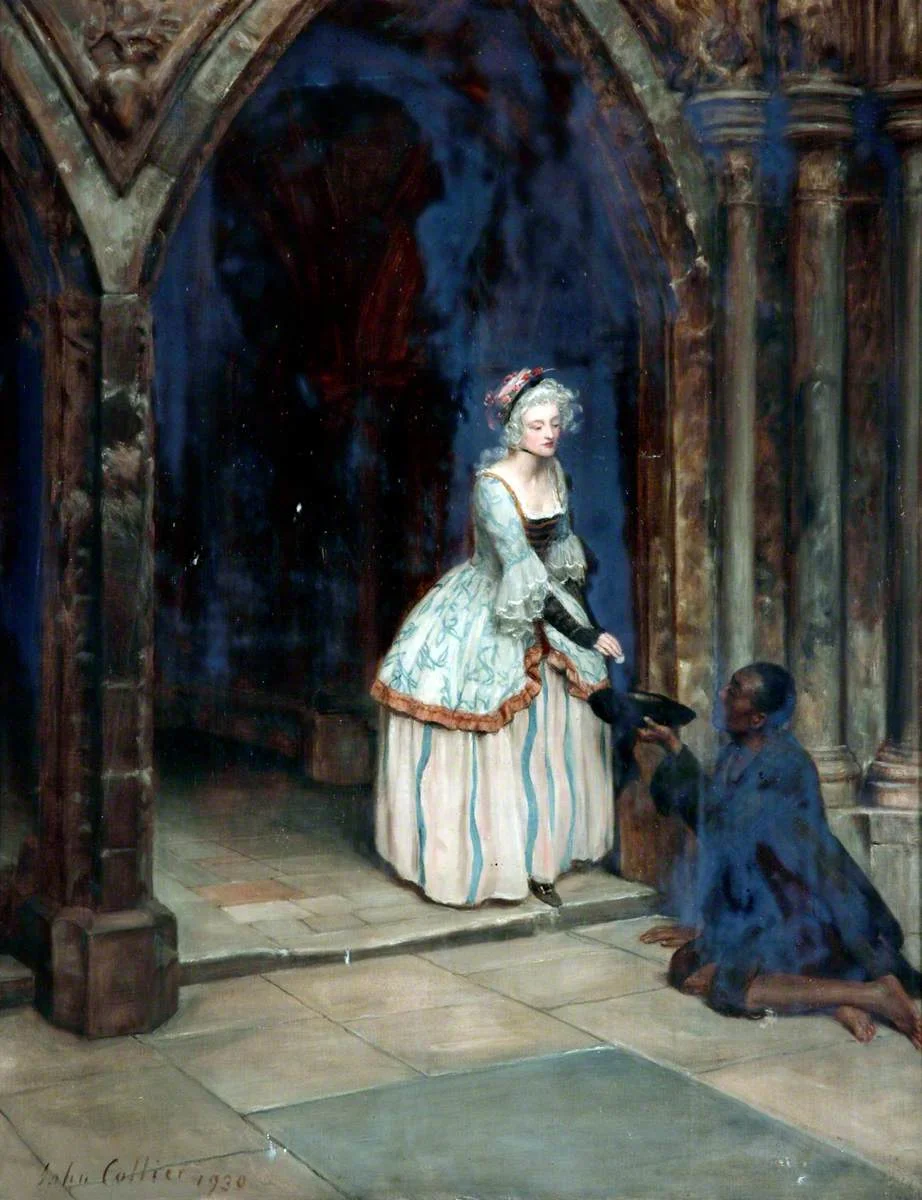
Henry Stacey Marks, ‘Hark, hark! / The dogs do bark. / The beggars are coming to town’
If you’ve done more than a few crosswords, you know that some relatively rare words and phrases appear in them with annoying frequency. The crossword constructor’s life is one long wearisome battle against these. “Does nothing fit here but Caesar’s last words crossed with the founder of Yale? Oh, why was I born to suffer?” asks the sorrowing crossword constructor. This week, however, I’m just giving up and letting them in. In fact, I’ve made an especially large 21 x 21 puzzle to accommodate them.
And so I conclude this website’s first year—with this puzzle, and with a second and final solicitation for support. Donate $12 and get a free bonus crossword: either a 15 x 15 puzzle made entirely of words and phrases current in the Victorian era, or a 21 x 21 puzzle made of the usual stuff. Donate $15 and get both. Just click this button:
A refined invalid lady, living with her healthy sister, helps younger neighbors with their problems.
Anne Manning (1807-1879), author of over forty novels, made her reputation with historical stories narrated in period style; this, however, has a contemporary setting: subtly realized characters are quietly placed in serio-comic conflict.
“A charming story, healthy and genial, and with a simplicity of construction befitting a story of English country life.” Sharpe’s London Journal, July, 1858
“Thoroughly English . . . a physician might successfully recommend the perusal of these volumes to any patient . . . instead of a change of air. . . . The characters are drawn from nature . . . not the old property-characters from the novelist’s stores.” Manning is “a literary Gainsborough.” Athenaeum, July 3, 1858
“It may do some thoughtless people good to learn how much of beauty and of interest can be found or fancied in the lives of two old maids.” London Review, October, 1858.
I’ve now given you fifty 15 x 15 crossword puzzles. Because I love you and want you to be happy, I will conclude my website’s first year by giving you two extra-large 21 x 21 puzzles. Are you wondering what to do with the overflowing sense of gratitude you can’t help but feel in response to all this? Wonder no longer—because now you can donate money to this site! Just click the button below and follow instructions. Donate $12, and I'll send you either another 21 x 21 puzzle, or a 15 x 15 Victorian crossword puzzle (that is, a puzzle that uses only words and phrases current in the Victorian era)! Donate $15 and I’ll send you both!
And that’s not all! I have a special bonus for the first person who donates $10,000,000 or more: not only will I send you both puzzles, but also I’ll rename this website in your honor! So if your name is, say, Bill Gates, after your donation the website will be known as "Bill Gates Presents David Alfred Bywaters’s Crossword Cavalcade and Victorian Novel Recommender." But act fast—because, again, only the first donor at the $10,000,000 level will be eligible for this bonus.
A sixteen-year-old girl, newly engaged to a gamekeeper, is suddenly adopted by a long-lost aristocratic aunt.
Susan Morley (according to Adrian Room’s Dictionary of Pseudonyms she was Sarah Frances Spedding, 1836-1921) published five novels between 1874 and 1888. Nothing more is known of her. In this, her first novel, the style, pacing, characterization, and setting are all impressively assured, and the plot dilemma interestingly handled.
“Its unforced pathos and simple language, its delicate contrasts of light and shade, its knowledge of dramatic effect with true insight into human nature, combine to render it an uncommon book . . . a singularly graceful story, told in . . . a singularly pure and unaffected style.” Academy, June 20, 1874
“It is a charming prose idyll, well and simply told; its seeming simplicity being the result of consummate art. Tender, pathetic, and truthful to nature, it . . . is no ephemeral novel. As a study of character it cannot fail to take a high place in literature. Moreover there is a completeness and finish about it, even as a mere tale, which is quite refreshing. In her delineations of character Miss Morley is peculiarly exhaustive without being tedious. Fearful lest our unqualified admiration might have run away with our critical judgment we have carefully and dispassionately sought for a flaw in this graceful story, but have found none. Its style, diction, and purity of thought combine to render it one of the most perfect novels it has ever been our good fortune to meet with.” Morning Post, August 31, 1874
“What strikes us . . . is the tact with which Miss Morley manages her characters” and “the common sense view which Miss Morley takes of life.” Westminster Review, October 1874
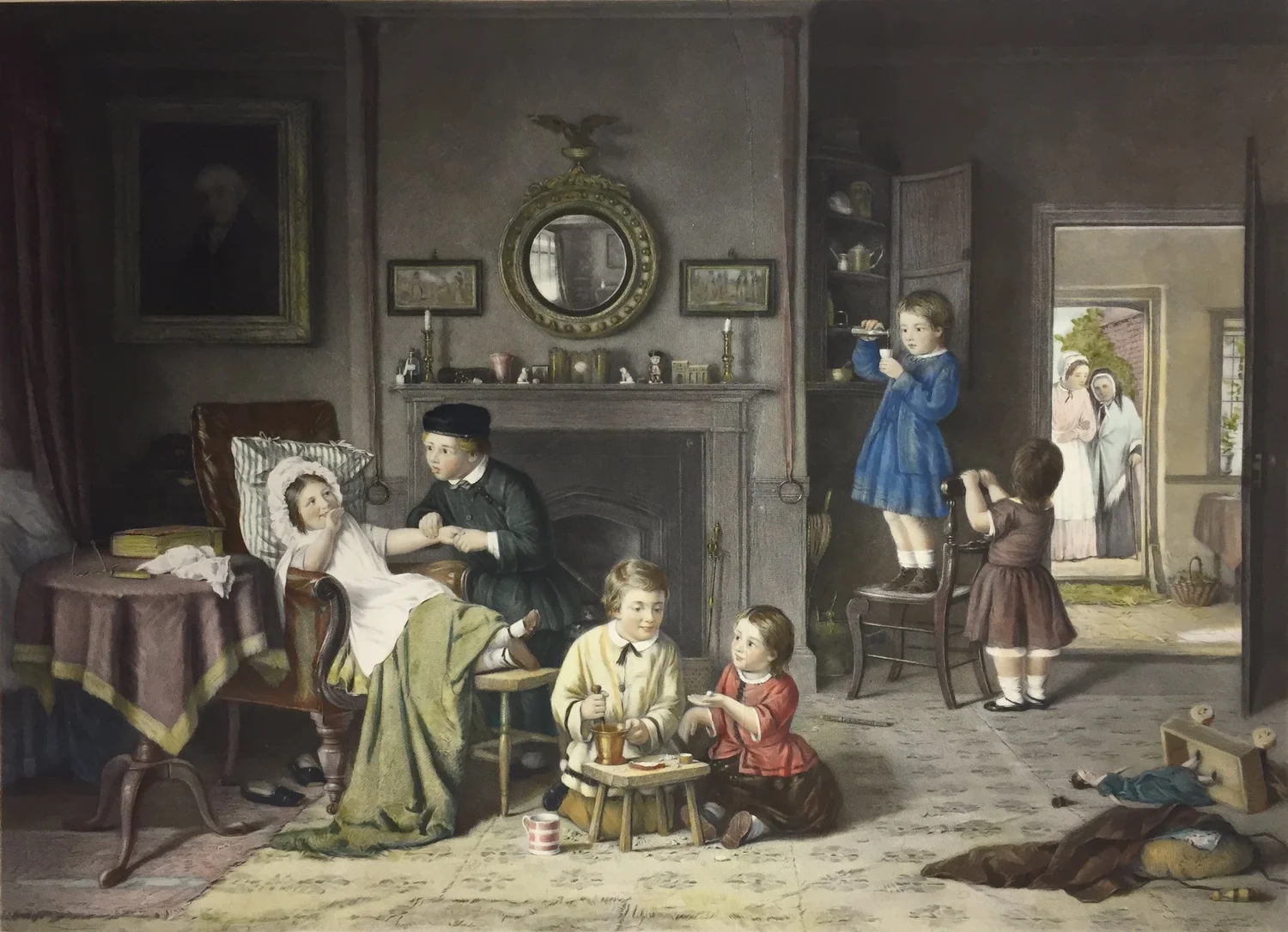
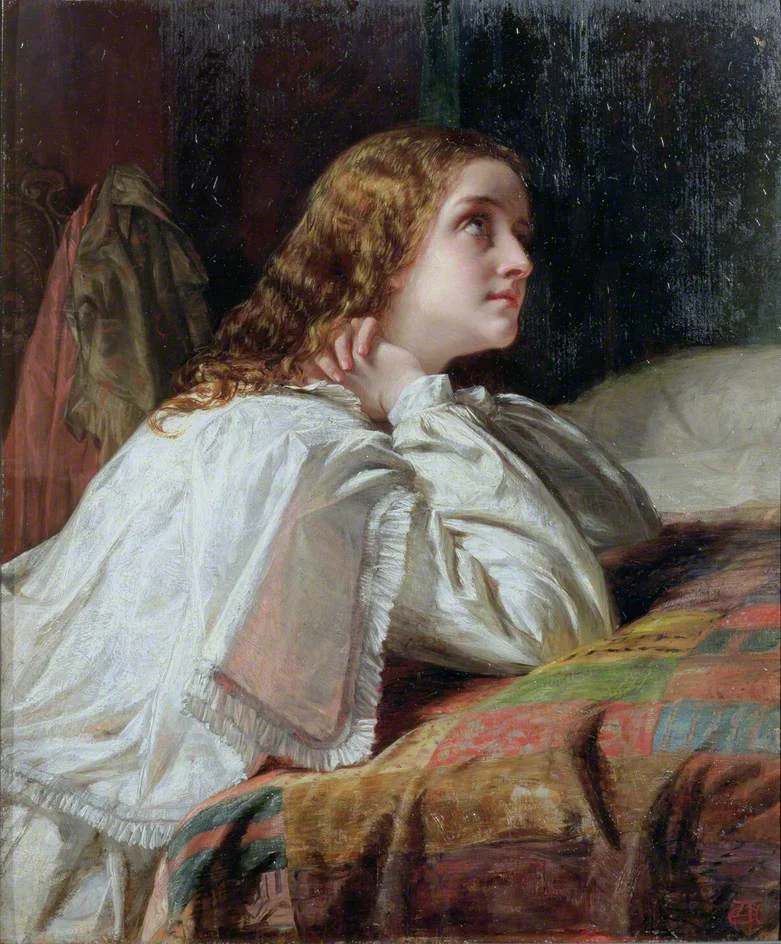
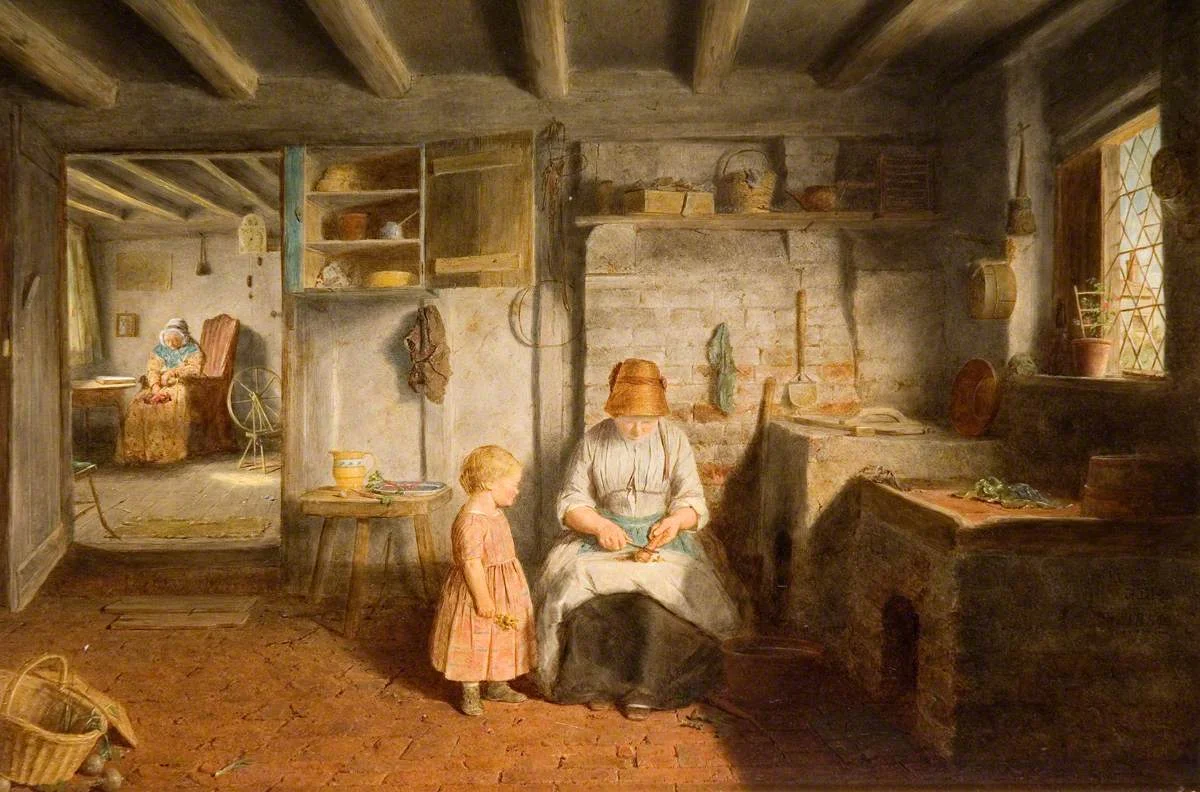
Frederick Daniel Hardy, Children Playing at Doctors
Most 15x15 crosswords have just four or five theme answers. This puzzle has ten theme answers! Ten!! That’s twice the usual complement!!! Are you grateful? Are you wondering how to let me know how grateful you are?? Watch this space!!!! Next week I’ll tell you how.
A shy young heiress is left in the care of her uncle, a suspected murderer.
J. Sheridan Le Fanu (1814-1873), an Irish journalist and novelist, wrote some 20 novels beginning in 1845; he specialized in the creation of eerie atmosphere.
Though sometimes strained and improbable, this novel “is rather to be taken as a highly wrought romance than as a picture of mere every-day life and its issues. Enough that the novel is well-written, paints some strongly-wrought dream figures, and one or two very well-drawn characters of real substantial life, that it also excites curiosity, and sustains a very strong interest from the beginning to the end." Examiner, December 24, 1864.
“Mr. Le Fanu has the gift of working upon the imagination of his readers, until every description of still life—a room, a picture, a piece of furniture, the entire house—becomes instinct with significance. . . . The author’s artistic imagination touches every object, however small or apparently insignificant, giving them a meaning like a song without words.” Athenaeum, January 7, 1865.
La Fanu “is feverishly intent on producing a series of Rembrandt effects. . . . Seen through this ghostly medium, all the characters, from the principals to the merest supernumerary, appear more or less weird or unearthly.” Saturday Review, February 4, 1865.
Beware! On the outside you’ll find pleasant phrases about this and that (Biblical dogs, dairy farmers, Hibernian patriots, luxury homes, intoxicated birds) but oh! what lurks within? Your spine will tingle, your flesh will creep; it will be weeks before you again dare to work a crossword alone.
Julia Cecilia Stretton (1812-1878) wrote some eleven novels in middle age, between 1855 and 1869. In this, a good style and several entertaining minor characters make up for a sometimes strained plot with a sentimental conclusion.
It is “impossible to get through its first chapter without experiencing an unwonted degree of interest which will grow” as the reader proceeds. “The author departs . . . from established custom in not making marriage the climax of the story.” Spectator, November 12, 1859
“A novel of great merit, exhibitng the constructive faculty of the author in a very high degree, and written in an easy, practised style.” Observer, November 14, 1859
“Very agreeable . . . full of interest, and totally without . . . affectation.” Literary Gazette, November 26, 1859
This puzzle contains only 72 words. I think that’s fewer than any other on this site. It has 5 theme entries, which account for 51 of its 191 letters. 34 blocks take up the remainder of its 225 squares. I’ll leave you to calculate its merit on the basis of these statistics.
Four pupils of a private tutor have adventures, grow up, and meet various fates.
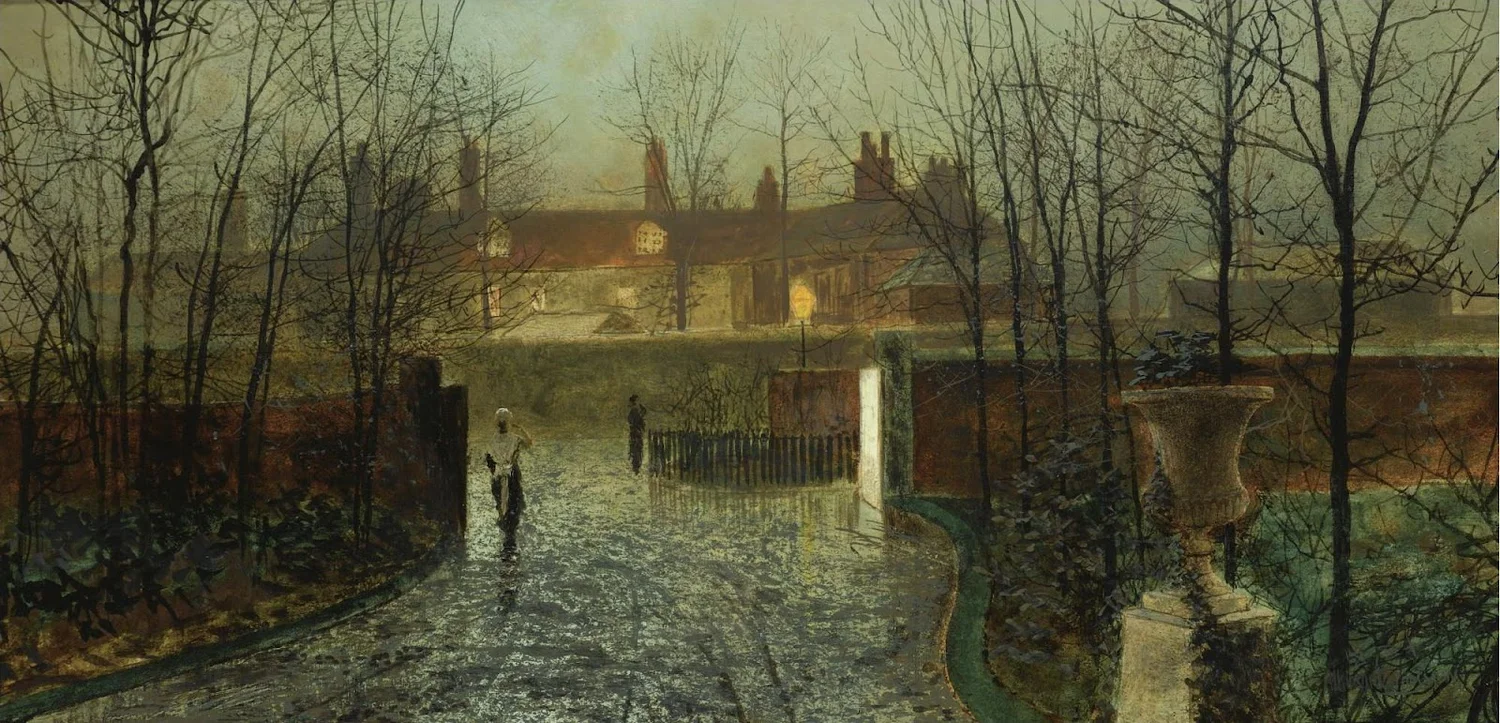
Frank Smedley (1818-1864), a journalist and editor, wrote only four novels before succumbing to ill health in middle age. This, his first (serialized 1846-48) features amusing (if flat) characters, a pleasant style, and an often silly but usually entertaining plot. (The novel, by the way, is partly set in Cambridge, not Oxford—but I like this painting.)
The characters “are nicely and unaffectedly marked. They . . . get into scrapes in a manner sufficiently easy and natural.” The author’s “style is clear of trick and vulgarity” and “his scenes are alive.” Athenaeum, April 27, 1850
A “humorous and right-minded” novel “full of Pickwickian fun.” The plot “contains sufficient of adventure to carry it on with due interest,” and the characters “are well contrasted and developed.” It will suit “the merry and wise of the old school of English readers.” New Monthly Magazine, June, 1850
It seems only yesterday we were celebrating the spring with horrible puns; here we are already celebrating the fall with hidden words in nonsense phrases. Nothing makes time’s winged chariot hurry faster than Victorian novels and language-torturing crosswords.
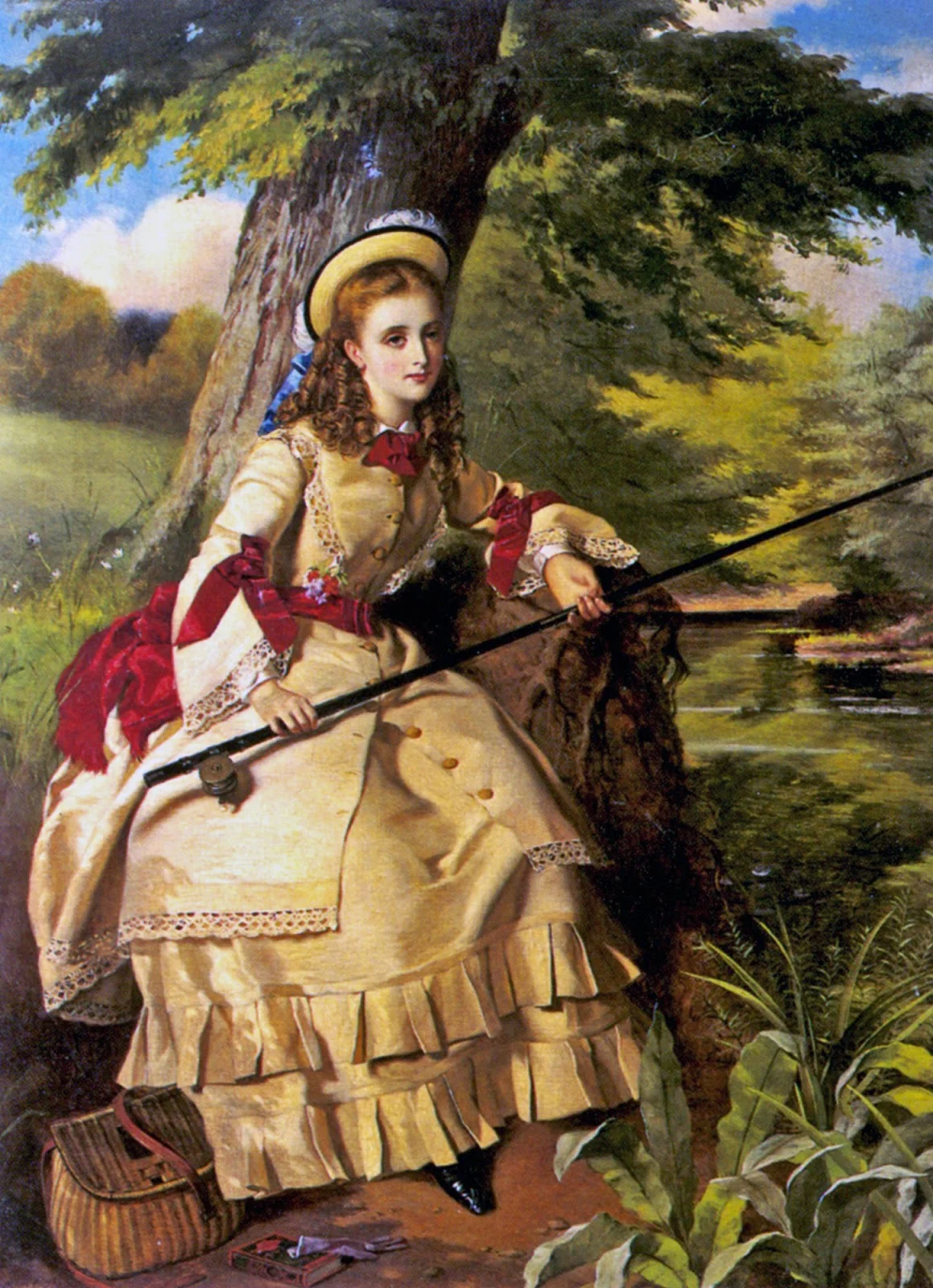
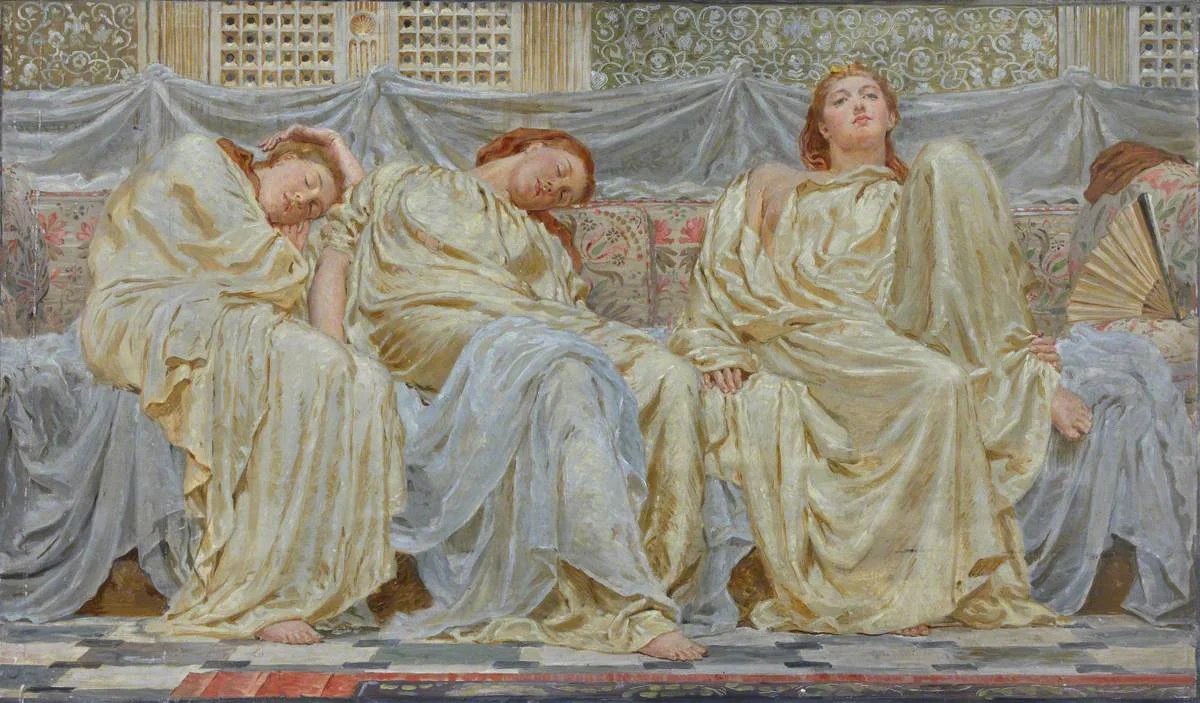
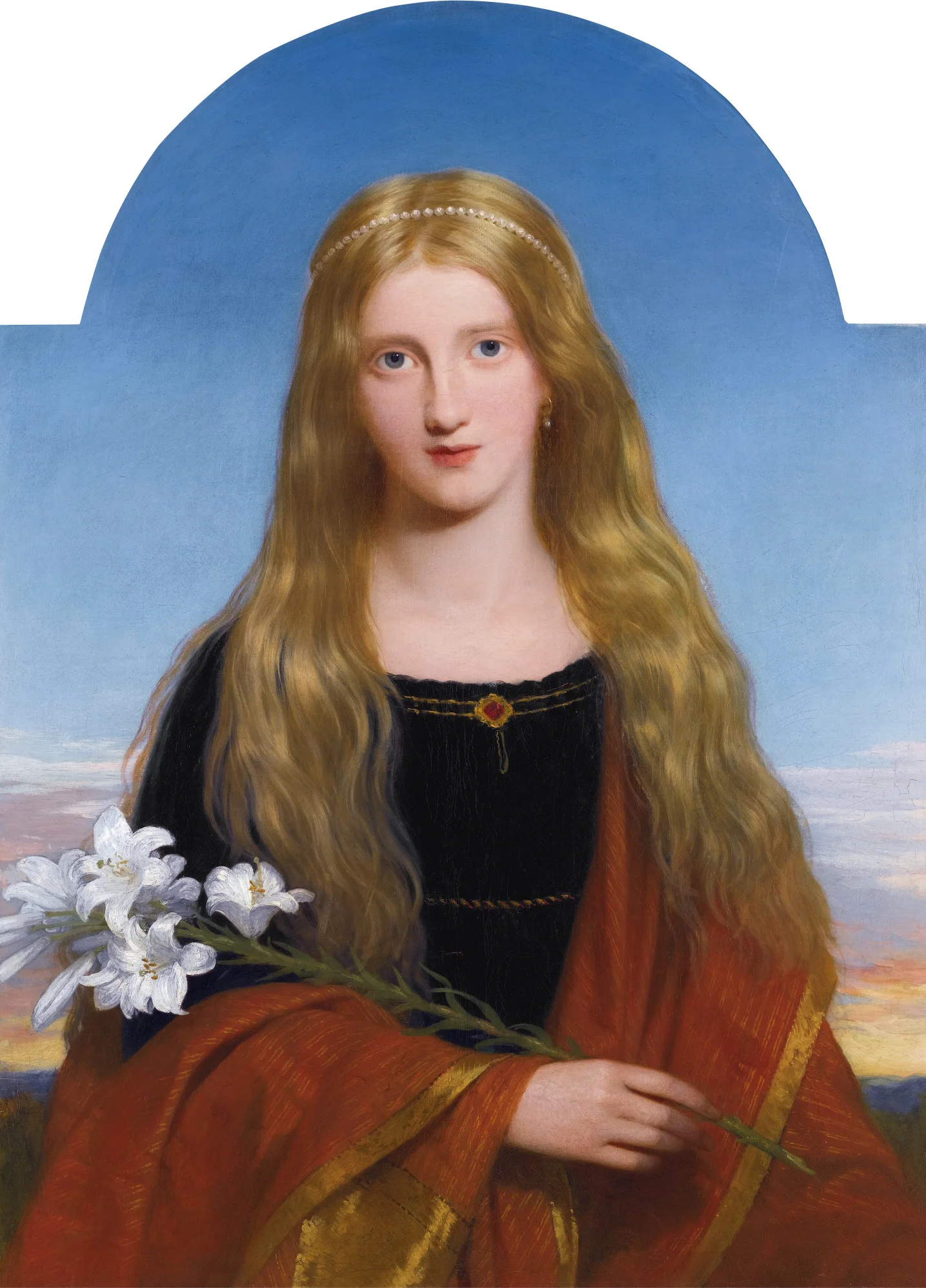
Charles Lock Eastlake, The Lily—Portrait of Miss Bury (Lady Charlotte Bury's daughter)
An ambitious gentlewoman has five daughters whom she means to marry as aristocratically as possible.
Lady Charlotte Bury (1775-1861), daughter of the sixth Duke of Argyll and herself the mother of nine children, wrote, in addition to poems and scandalous memoirs, some sixteen novels. In addition to the complex, convincing title character she provides here a leisurely series of subplots—a few of them exaggerated, but many successfully comic, and some genuinely moving.
Bury shows a “full and wise reliance on nature as it exists in itself” and a “happy skill in putting the commonplaces of life and character in an uncommonplace point of view”; the resulting novel is “ true to English life and nature as they actually exist in our own day.” New Monthly Magazine, July, 1842
“She is many degrees nearer to Miss Austen, than any of her contemporaries.” Athenaeum, July 2, 1842
“The quiet unexaggerated pictures, the lively dialogues, the nice discrimination of various kinds of weakness, the contrasts of folly and vice, the dangers of a false education and a half morality, were chiefly noticeable in the writer’s first production, and present themselves in this with unabated freshness." Examiner, July 9, 1842
This puzzle was inspired by 31 Across, which came to me as an airline ticket locator code. Was this the hand of a benevolent Providence reaching down to interfere directly in human affairs?
Two cousins, one mercurial, the other slow but sure, quarrel over a woman, with surprising, mostly comic, consequences.
Arthur R. Conder (1876-1901), barely out of college when he wrote this novel, died shortly after its completion of heart failure. Read it, and you will join contemporary reviewers in their regret that he did not live to enjoy a long career.
“The plot is entirely diverting if not altogether probable. . . . The writer regards his characters with a whimsical sympathy and has been able to make them eccentric and lovable at the same time. . . . The quaint architecture of this little book is beyond criticism—compact, peculiar, facetious.” Chicago Tribune, July 18, 1901
“It is full of quiet humor, keen characterization and a certain freshness which is all too rare among the novels of the day.” Baltimore Sun, August 15, 1901
“The plot . . . is good, and the interest is well maintained; but it is in the freshness of the treatment, the briskness of the narrative, the excellent characterisation—a certain individualizing of every-day characters—that the great charm and merit of the book lie.” Bookman, October 1901
I once made a cd for a friend with 24 distinct recorded versions of the song on which this puzzle is based. He hasn’t spoken to me in years. Do you think there’s a connection?
The original title of this puzzle—which almost no one understood—was “Put on the Skillet! Put on the Lid!” The final, much superior, title was the inspiration of Ralph Bunker, who, along with a man who prefers to be called “Bob Kerfuffle,” has been test-solving my puzzles for months. I’ll take this occasion to express my profound gratitude to both. Would you also like to test-solve my puzzles? Send me an email! The qualifications are minimal: an unerring sense of which Roman numerals correspond to which Arabic numerals would do (I find myself surprisingly shaky on this subject). The compensation, however, is even more minimal: nothing whatsoever!