David Alfred Bywaters's Crossword Cavalcade & Fortnightly Victorian Novel Recommender. Every Saturday! Either a new language-torturing puzzle or an old novel by an unjustly neglected Victorian author. Why waste time on other amusements?

Novel 015: Theo Gift, Lil Lorimer (1885)
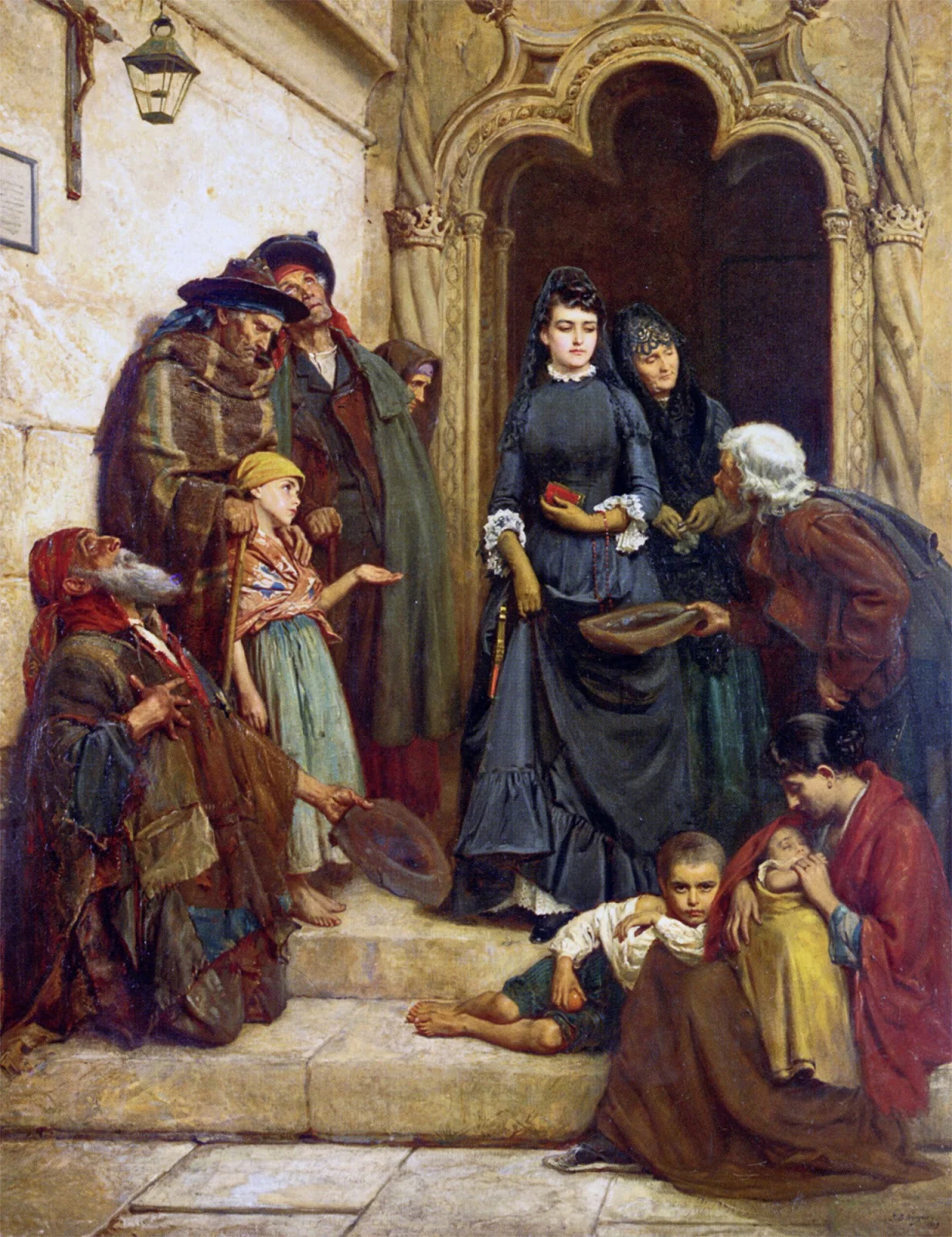
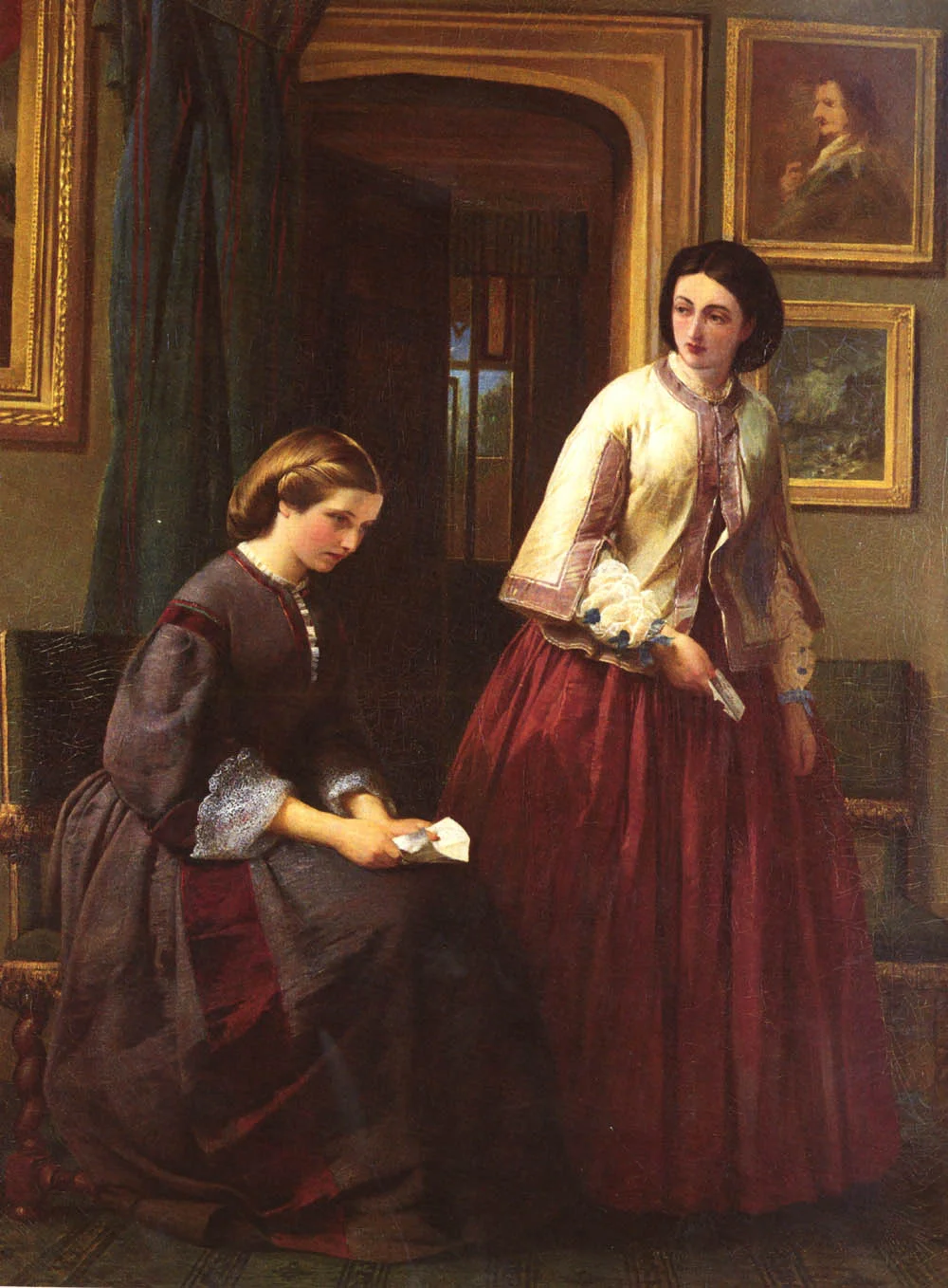
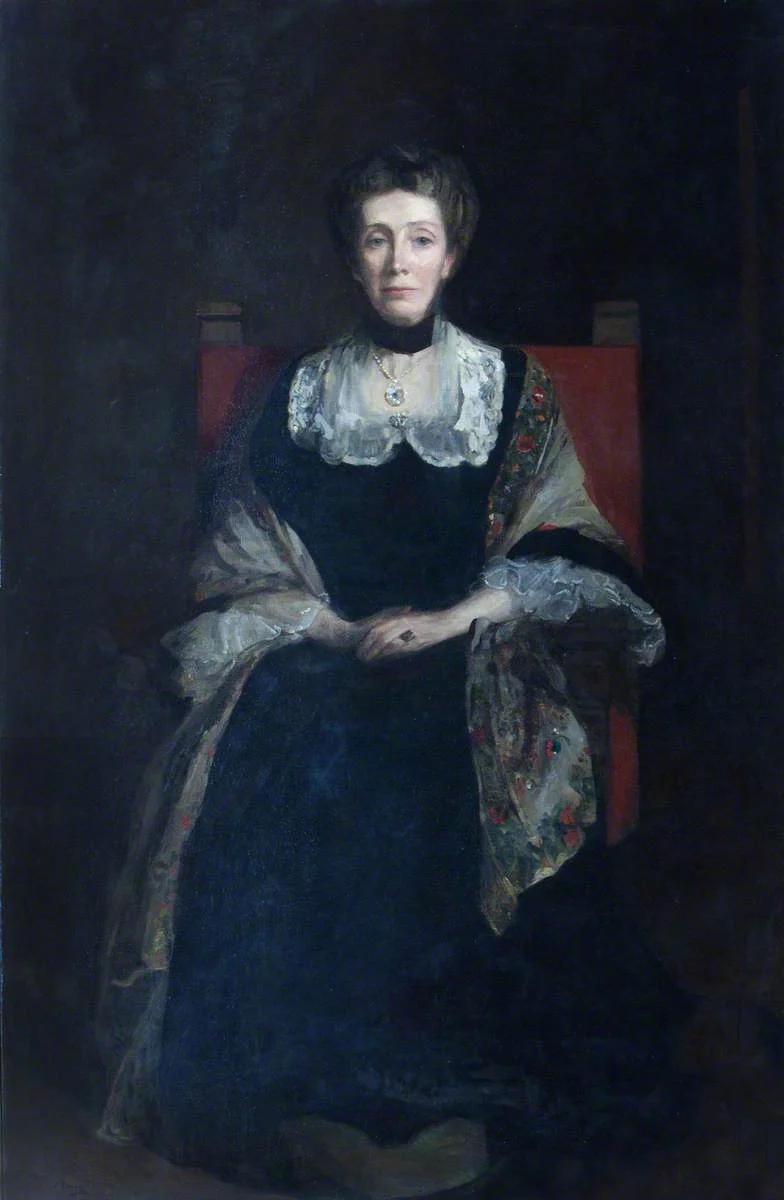
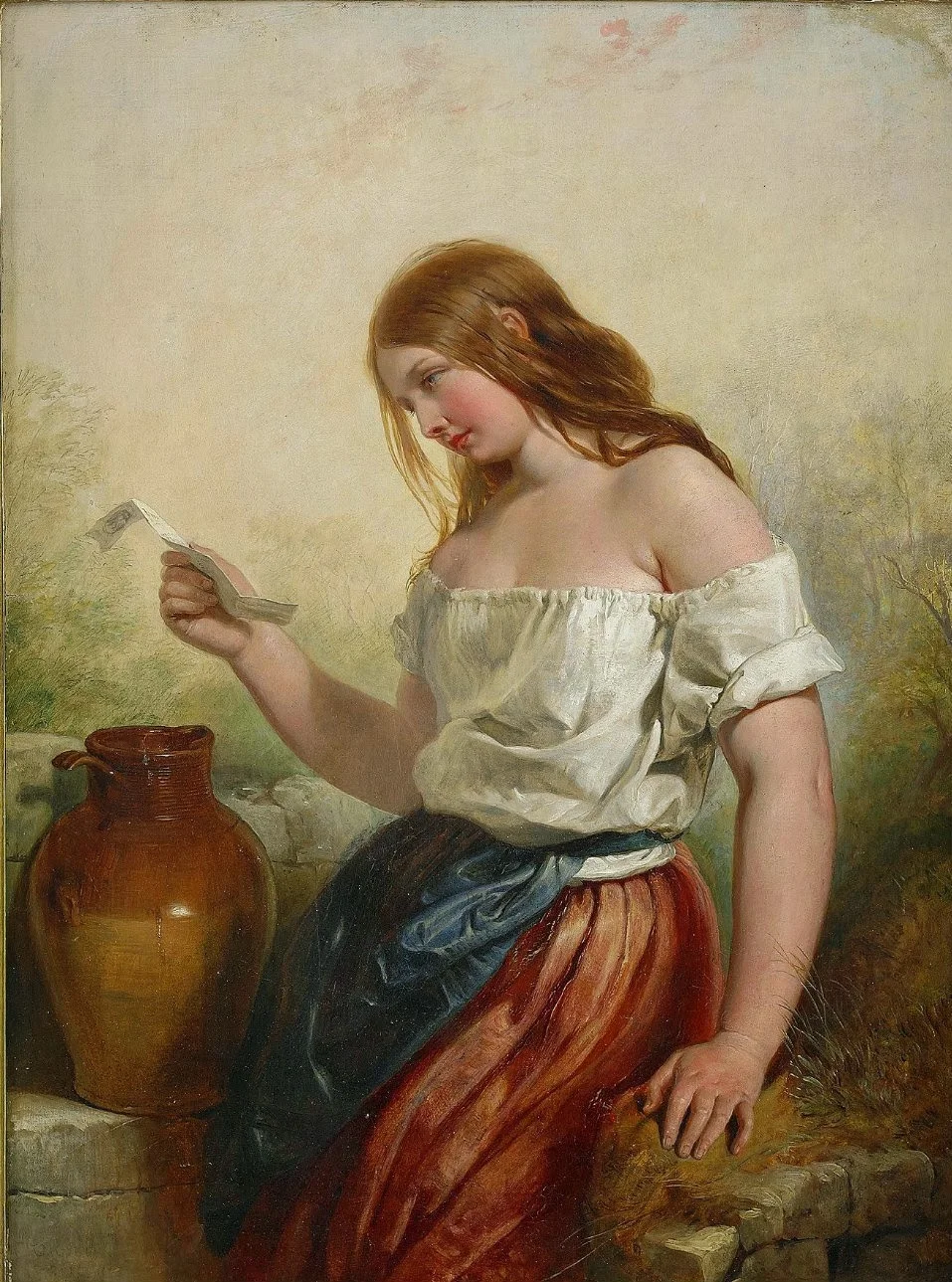
John Bagnold Burgess,  The Church Door
John Bagnold Burgess, The Church Door

A young lady, neglectfully raised by her disreputable English father in Montevideo, finds herself in trying social circumstances.


Dorothy Boulger, née Havers (1847-1923) published some 17 works of fiction under the pen-name Theo Gift between 1874 and 1901.  She spent her late teens and early twenties (1861-70) in Uruguay, a setting carefully realized, along with some convincingly conflicted characters, in Lil Lorimer

“A charming and romantic novel. . . .  The . . . characters are invariably lifelike. . . .  The author has painted South America with a realistic fidelity.”  Morning Post, April 16, 1885

The “descriptions of Urugayan town and country life . . .have all the appearance of being reproduced from original experiences”; The plot is true “to the complex realities of life.” Graphic, May 16, 1885

“The descriptions of life in that part of South America are both instructive and entertaining. . . .  The character-drawing . . . is also good, and the plot . . . is simple and natural.  But the story depends for its interest less on dramatic episodes and startling surprises than on portrayal of character and analysis of motive.” Spectator, July 25, 1885

Download this week’s novel:
v.1 http://access.bl.uk/item/viewer/ark:/81055/vdc_0000000421B0#?c=0&m=0&s=0&cv=6&xywh=-493%2C-1%2C3557%2C2104

v.2 http://access.bl.uk/item/viewer/ark:/81055/vdc_00000003C53A#?c=0&m=0&s=0&cv=6&xywh=-396%2C0%2C3383%2C2000

v.3 http://access.bl.uk/item/viewer/ark:/81055/vdc_00000003AEA2#?c=0&m=0&s=0&cv=6&xywh=-390%2C-1%2C3356%2C1985

Crossword 014: Knife, Fork, and Spoonerisms

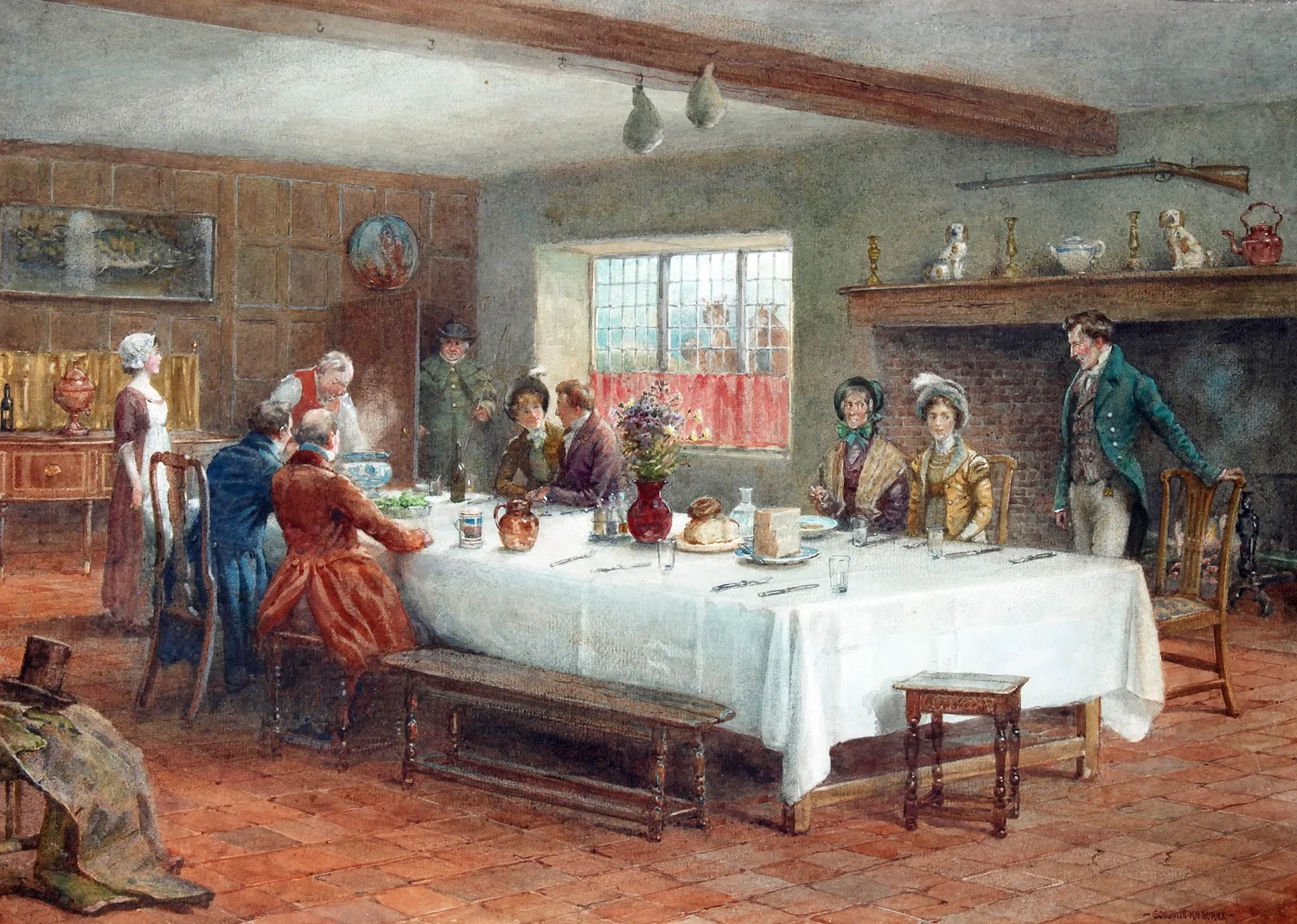
George Goodwin Kilburne, A Meal Stop at a Coaching Inn

The foodstuffs alluded to in this puzzle would not make for a particularly healthy or appetizing meal, but it might be better than the one in the picture above, which seems to consist of a salad, a roast with a chocolate doughnut (?) on top of it, and a giant slice of cake.  Appetizing or not, however, I like this picture—the huge fish painting at the left, the horses looking through the window, the dog statues on the hearth, and the wary reactions of the pretty woman and her guardian, seated on the right, to the blotchy-faced man who seems to be inviting himself to join them.


Download this week’s crossword:

014-Knife,-Fork,-&-Spoonerisms.puz

014-Knife,-Fork,-&-Spoonerisms.pdf

Solve this week’s crossword online:

014 Knife, Fork, and Spoonerisms

Novel 014: Julia Rattray Waddington, Janet; or, Glances at Human Nature (1839)

Frank Stone, Friendship Endangered
Frank Stone, Friendship Endangered

An unassuming, affectionate young lady is envied by her older sister


Julia Rattray Waddington (1801-1862) wrote only four novels, all between 1838 and 1842.  This one, illustrating the passion of envy, is notable for its vivid and original characters; one of the best, a middle-aged unmarried woman living in a small town, seems possibly autobiographical

It “contains passages of feeling and sparkles of humour, subdued in tone, but still true to life.” Athenaeum, January 26, 1839

“The result of watchful observation in collecting the materials, and of much care, thought, and pains, in working them up . . . Its merits are—a nice and miniature delineation of those persons and of that life with which the mass of novel-readers are familiar; much truthfulness of dialogue; a keen but never malicious satire . . . the whole being embodied in a story which sometimes runs and never drags.” Spectator,January 26, 1839

“The story is made up of such incidents and feelings as characterize every-day life. . . . There are abundant proofs that the writer is a close observer of mankind and manners, habitually reflective, and a good natured satirist.  The dialogue is often particularly clever and effective.”Monthly Review, February, 1839

Download this week’s novel:
http://solo.bodleian.ox.ac.uk/OXVU1:LSCOP_OX:oxfaleph013983847

Novel 013: B.M. Croker, Katherine the Arrogant (1909)

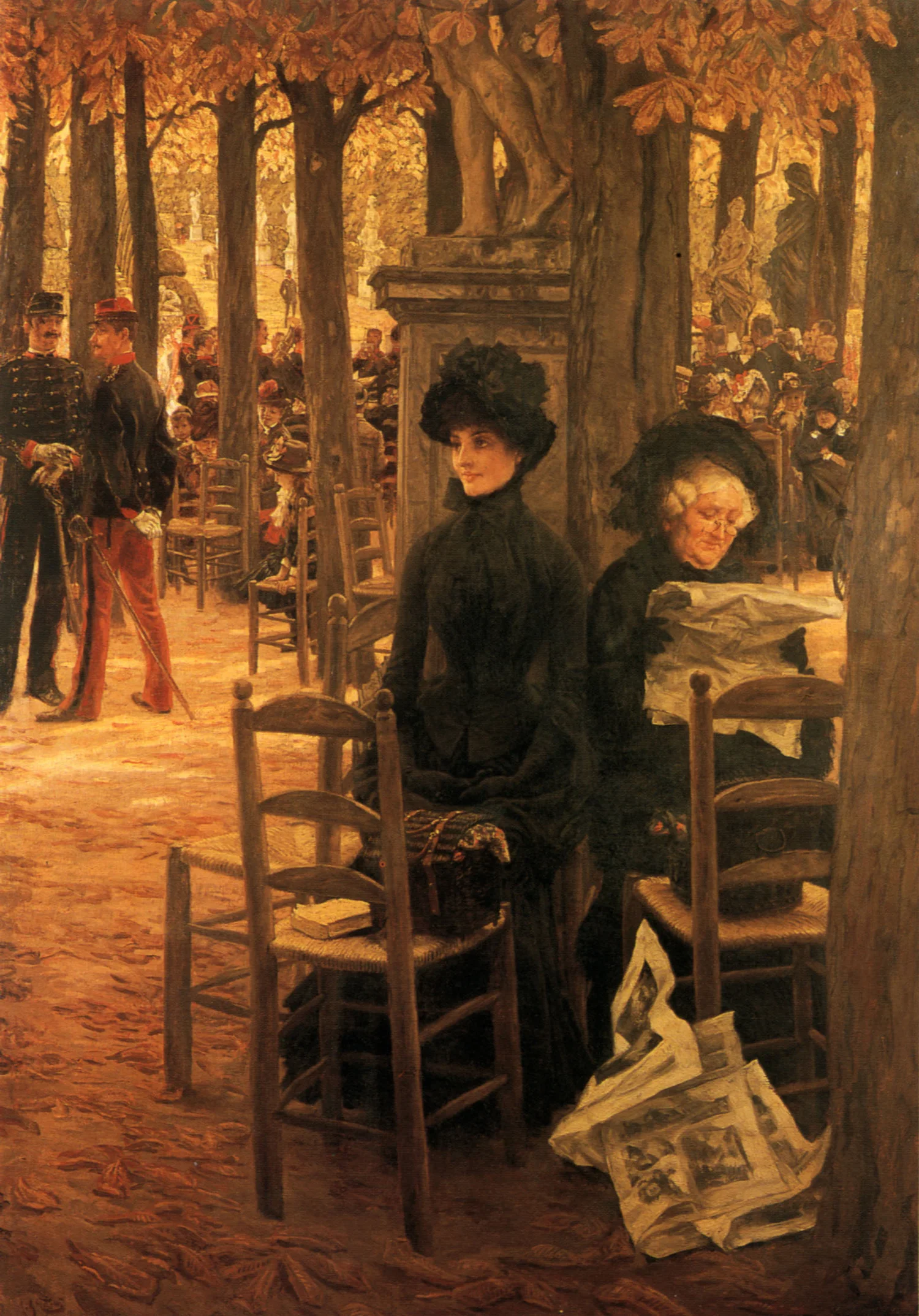
James Tissot, Without a Dowry
James Tissot, Without a Dowry

A young lady, raised in aristocratic wealth but left penniless by her heedless father, persuades an aged friend to hire her as servant and companion.


Bithia Mary Croker (1848?-1921) wrote nearly 50 novels between 1882 and 1920.  This charming post-Victorian social comedy has motorcars and electric lights.

“A good story on a theme which always attracts, the woman who has to conquer the world.” Spectator, March 27, 1909

“An excellent story; crisply and vivaciously written, and thoroughly interesting from start to finish.” Bookman, April 1909

“It is written with an appearance of ease and competency of touch tending to disarm criticism.” Athenaeum, April 17, 1909

Download this week’s novel:
https://books.google.com/books?id=53IOAAAAIAAJ&printsec=frontcover#v=onepage&q&f=false

Novel 012: Catherine Gore, Mrs. Armytage (1836)

John Lavery, Elizabeth Welsh
John Lavery, Elizabeth Welsh

A proud, rich widow seeks to control her children.


Catherine Grace Frances Gore, née Moody (1799-1861), one of the most popular and esteemed novelists of the early Victorian period, wrote over 50 novels between 1824 and 1858.  Mrs. Armytage dates from the year before Victoria’s accession; its compelling and original main characters more than make up for some implausible plotting.

The novel provides “a capital and very agreeable picture of society in its various shades,—the trifing, scheming, laughter-and-scandal-loving exclusives; the respectable, unpretending, domestic nobility; the smaller Yorkshire squires; the family oddities which grow up in a remote provincial neighbourhood.  Most of the characters too are exceedingly well drawn,—effective yet without the exaggeration in which a more vulgar artist would have indulged.”  The style is “light, rapid, sparkling, and pointed, the combined result of natural wit, much observation of life, and considerable practice in writing.”  Spectator, July 9, 1836

Gore excels “in depth as well as nicety of observation, in the various portraiture of manners, and in the connecting with peculiar force minute traces of artifical character with strong movements of natural passion.”  Examiner, July 24, 1836

The novel shows “acute penetration into the motives by which individuals and even whole classes of society are actually though not openly impelled. . . .  The character of Mrs. Armytage is conceived with delicacy and discrimination, developed and sustained with admirable consistency and effect.” Morning Post, August 1, 1836

We “wish that Mrs. Gore could change her sex, and become M.P. for some borough . . . for she displays all the brilliant elements of one in every page. . . .  Her information is abundant, her shrewdness wonderful, her tact excellent, and her perceptions of character delicate, and happy in the extreme.”  Court Magazine and Monthly Critic, February, 1837

Download this week’s novel:
v.1 https://archive.org/details/mrsarmytageorfem01gore

v.2 https://archive.org/details/mrsarmytageorfem02gore

v.3 https://archive.org/details/mrsarmytageorfem03gore

Novel 011: James Payn, Thicker Than Water

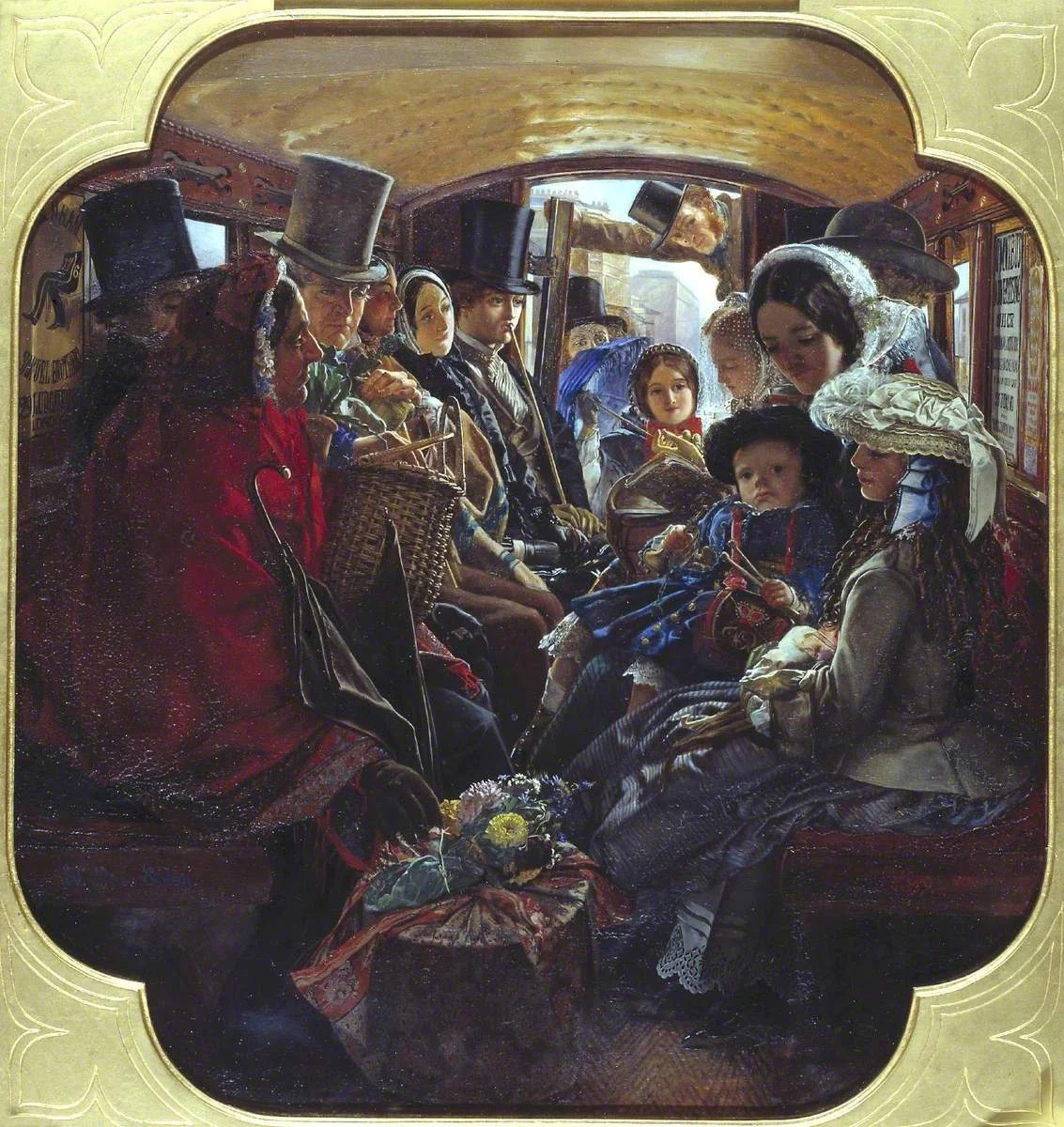
William Maw Egley, Omnibus Life in London
William Maw Egley, Omnibus Life in London

A proud but poor young lady endures the misbehavior of her various rich and eccentric patrons.


James Payn (1830-1898) wrote some 60 novels between 1857 and 1898.  This one has an intricate plot and a wide range of characters; its modernism is shown by the heroine’s resolve at one point to make her living with a typewriter.

“The writer’s thorough knowledge of the world enables him to lay bare the motives that prompt the actions of his personages, chosen in the most opposite classes of society. . . .  His characters are strikingly natural, and the individuality of each and all of them stands out in bold relief.”  Morning Post, September 10, 1883

It is set “among remarkable or original people, who meet with a variety of remarkable and more or less original incidents, as adventures come to the adventurous; while the scenes of the story are perpetually shifted, from town to country . . . and from the fashionable end of London to the extreme East.” Saturday Review, October 6, 1883

“Mr. Payn is as gay, as sprightly, as diverting as ever”; his story is “well imagined and well told enough to be interesting from beginning to end. . . .  Its personages are all of them natural and are many of them new; they are presented with a great deal of insight and vivacity; they have a flavour of reality which is refreshing in no mean degree.” Academy, October 27, 1883

Download this week’s novel:
v.1 https://archive.org/details/thickerthanwater01paynj

v.2 https://archive.org/details/thickerthanwater03paynj

v.3 https://archive.org/details/thickerthanwater02payn

Novel 010: Anonymous, Eva Desmond; or, Mutation (1858)

Arthur Hughes, A Passing Cloud

A virtuous but poor young lady falls in love with a man whose family wants him to marry money.


Nothing is known about the author of this novel which, with a large cast of lively characters and much circumstantial detail, tells a story of what might be called Providential revenge.

“There is a certain air of actual life, marks of observation, traces of personal experience and investigation, and a power of pourtraying things and people . . . which would have been graphic were it not for the dream-like air of unreality."  Athenaeum, September 18, 1858

The novel has a “felicitous closeness of observation, and a fluency as well as vigour of style.”  Spectator, September 25, 1858

“A work of uncommon merit.  Its construction is admirable; for, although the story is intricate” and each of its “vast crowd of personages is made to preserve...a distinct...personality,” still “the reader is never suffered to lose sight of . . . the central object of the plot, the heroine of the story.”  Critic, September 25, 1858

"Among recent fictions we know of none having a stronger claim on our commendation . . . for a freshness and sweetness that breathe of the heather of the Irish mountains.  We know not that we have ever made acquaintance in the realms of fiction with a more truly fascinating person” than Eva Desmond.  Eclectic Review, November, 1858

Download this week’s novel here:

v.1     https://archive.org/details/evadesmondormut00desmgoog

v. 2    https://archive.org/details/evadesmondormut01desmgoog

v.3     https://archive.org/details/evadesmondormut02desmgoog

Novel 009: David Christie Murray, Hearts (1883)

Henry John Yeend King, Milking Time

A young gentleman seeking success in music and in love is undermined by a false friend and defended by a true one.


David Christie Murray (1847-1907) wrote some 30 novels between 1880 and 1907.  Here he sets out to disprove the claim of an “American writer of fiction”  (attacked in his preface) that “all the stories have been told” with an involved, and involving, plot.

 “The interest of the story is well sustained.” Academy, June 6, 1883

The villain’s “picture is drawn with remarkable skill”; the plot “is good throughout, and towards the end, where the action becomes more rapid, rises to a high level of merit”; the author provides “acute observation of life” that is “both vigorous and just.” Spectator, June 9, 1883

“The novel is bright and readable.” British Quarterly Review, July 1883

Download this week’s novel:
v. 1   https://archive.org/details/heartsnovel01murr

v. 2   https://archive.org/details/heartsnovel02murr

v.3   https://archive.org/details/heartsnovel03murr

Novel 008: Margaret Oliphant, Phoebe, Junior (1876)

William Logsdail, An Early Victorian

A genteel young woman manages the social difficulties of her residence with her tradesman grandfather.


This is the sequel to Oliphant’s Salem Chapel, recommended last week.  It’s a memorable representation of external social conflict, internal moral conflict, and the relation between them

It is “fuller than usual” of Oliphant’s “special powers,—her keen insight into a variety of feminine character—the able bourgeoise—her shrewd observation of English middle-class life, and her restrained, satirical humour.  It betrays, too, what we had scarcely expected to find, a capacity for depicting scenes of almost tragical emotion without failure, and without . . . melodrama.”  Spectator, June 17, 1876

Oliphant “finds an easy amusement in bringing together by the ears men of different religious creeds and professions, and subduing them to uniformity by their weaknesses. . . .  Even the mischief-makers and villains essential to the story are not so much worse than their neighbours as more uncomfortable to themselves and to the people about them.”  Saturday Review, July 22, 1876

Phoebe is “one of the finest and most finished portraits ever drawn by Mrs. Oliphant. . . .  There is something exceedingly subtle about this lady’s female characters.” Contemporary Review, March 1877

Download this week’s novel:
v.1    https://archive.org/details/phoebejuniorlast01olip

v.2   https://archive.org/details/phoebejuniorlast02olip

v.3   https://archive.org/details/phoebejuniorlast03olip

Novel 007: Margaret Oliphant, Salem Chapel (1863)

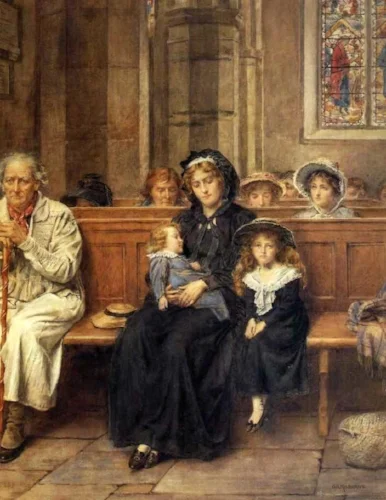
George Goodwin Kilburne, In Church

A sincere, idealistic, highly educated dissenting minister is troubled by the bullying interference of his low-bred, gossiping congregation.


Margaret Oliphant (1828-1897) wrote more than 100 novels between 1849 and 1897.  This is the first of the “Chronicles of Carlingford,” five novels set in the same provincial city; it is the first of two featuring the Dissenters in that city.  Its vivid portrayal of a conflicted character is somewhat marred by a melodramatic subplot. The sequel will appear next week.

“This book will take a permanent place in English literature. . . .  The literary wealth of the book consists in the delineation of the Salem Chapel ‘connection,’ its obstructive relation to the effervescing life of the young minister, and the diplomatic depth of worldly wisdom which it develops on critical emergencies in his pious and devoted mother” whose character is “an etching of marvelous delicacy and art, with every line and shadow separately touched in.”  As to another main character, a low-bred deacon, “Through all the vulgarity of its surface there is so much genial strength and breadth, so much vulgar manliness, so much intelligence in the shopocratic shrewdess, so much true mettle behind the stratum of butter and bacon, such a liberal feeling” that he becomes “a figure of more true dignity...than the young minister itself.”  Spectator, February 14, 1863

“The humour which sketches individual characters and enters into the nice individualities and idiosyncracies; the occasional bitter and burning revolt against the ordinations of Providence in the mysteries of life; the clever delineations, especially of chapel ways and manner” are all praiseworthy.  Eclectic Review, March, 1863

The novel shows “the weakness of enthusiasm, refinement, and mere well-meaning, in contact with the vulgar realities of every-day life.” National Review, March 1863

“In the painting of really good people, and of the thoroughly wicked, she fails; but her descriptions of well-meaning men and women, not very good and not very bad, are excellent.” Examiner, November 5, 1864

Download this week’s novel:
v. 1https://archive.org/details/salemchapel00olip

v.2   https://archive.org/details/salemchapel03olip

Crossword 006: Oenology

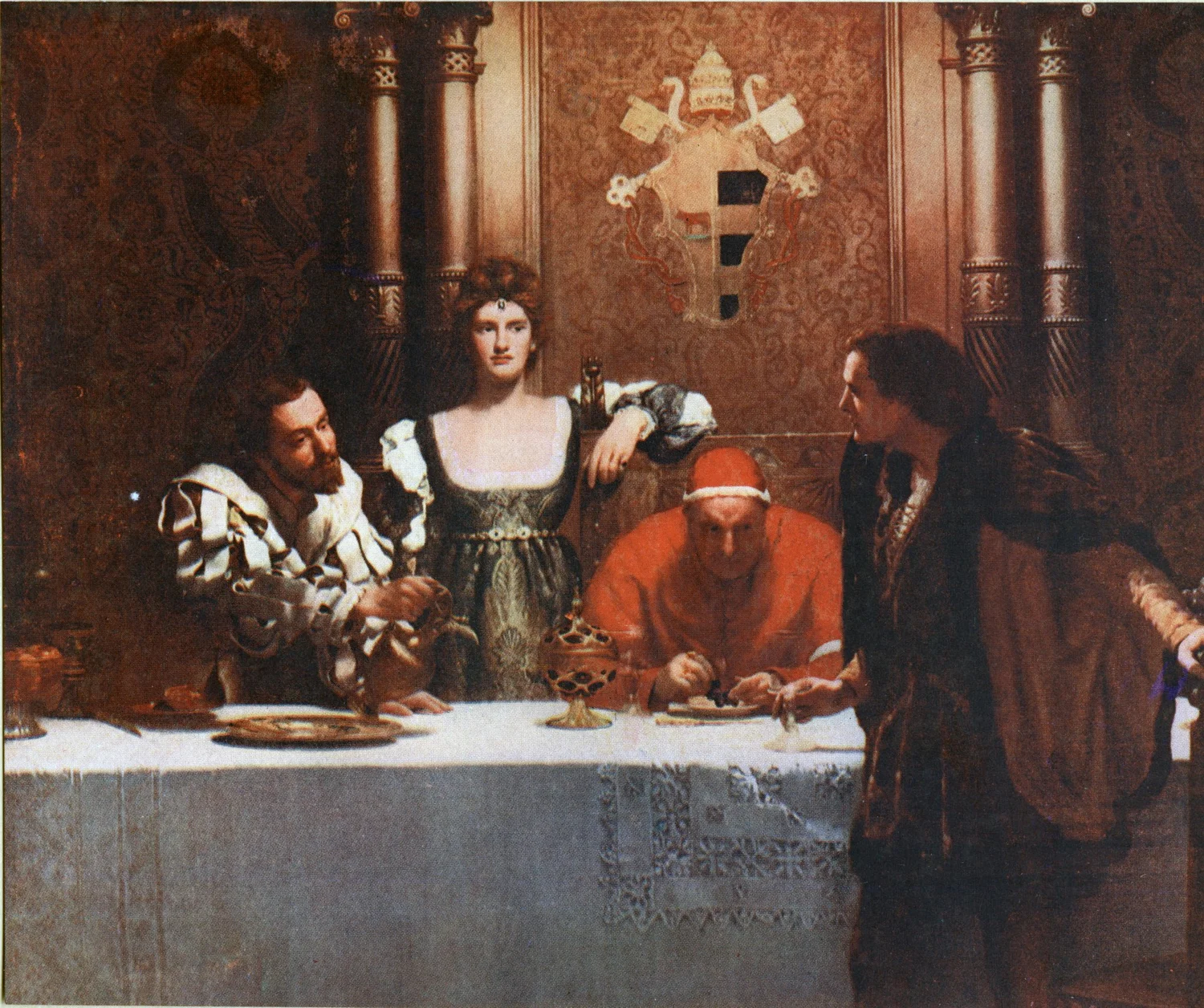
John Collier, A Glass of Wine with Caesar Borgia

A common crossword genre is the hidden-word puzzle:  some word or set of related words is enclosed in common phrases,  “stale,” for example, in “first alert” (clue: “Smoke alarm brand”).  Fun stuff.  But I prefer to enclose words in startling new phrases created not to hide those words, but to tax my ingenuity for clues that make sense of them,  “amusing,” for example,  in “hippopotamus in-group” (clue: “Semi-aquatic jungle clique”).  It’s a matter of taste.  In this puzzle I may have gone too far, however.


Download this week’s crossword:

006 Oenology.puz

006 Oenology.pdf

Solve this week’s crossword online:

006 Oenology

Novel 006 Elizabeth Anna Hart, Wilfred's Widow (1883)

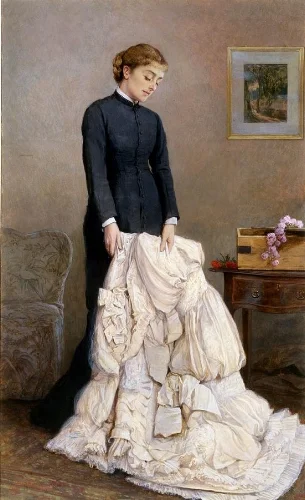
Edward Killingworth Johnson, The Young Widow

A close-knit family, mourning the death of its eldest hope in Australia, take in his widow, eager to excuse her odd manners and behavior.


Elizabeth Anna Hart (1822-1886), also known as Fanny Wheeler Hart, published six novels and two narrative poems between 1869 and 1883.Wilfred’s Widow is a light-hearted social comedy with a memorable anti-heroine.

It is “one of the few original novels that have lately appeared.  The idea of the story is fresh, and the central character is drawn with considerable strength.” Morning Post, March 1, 1883

“A thoroughly amusing book, the interest of which carries the reader on through every page of a sufficiently brief story.” Spectator, March 3, 1883

It “shows a good deal of that quiet humour in which women...so often excel. . . .  The style is bright and simple throughout, without any affectation of cleverness, and the characters appear as clearly as if they had been forced to unfold themselves in whole chapters of self-analysis.”  Athenaeum, March 10, 1883

Download this week’s novel:
   v.1   http://dbooks.bodleian.ox.ac.uk/books/PDFs/600067016.pdf

   v.2   http://dbooks.bodleian.ox.ac.uk/books/PDFs/600067017.pdf